Flystrike (myiasis) is a rabbit emergency. Flies lay eggs on the fur, usually near the tail. These eggs hatch into maggots, which chew tissue fast, often within 24 hours. Check twice daily, especially the perineum and damp rear fur, for wet, matted clumps, foul odor, or “rice grain” eggs.
If you see eggs or moving maggots, get same-day exotic vet care. Prevention includes keeping bedding clean and dry. Ask your vet about cyromazine like Rearguard.
Swift Summary
- Flystrike (myiasis) is a life-threatening emergency when flies lay eggs on wet, dirty fur, often around the rabbit’s rear end.
- Watch for lethargy, refusing to eat, foul odor, wet matted fur, and visible egg clusters or moving maggots.
- Risk rises in warm, humid weather plus urine scald, diarrhea, wounds, and poor grooming from obesity or arthritis.
- Seek urgent same-day exotic vet care if you see eggs or maggots, as tissue damage can progress within about 24 hours.
- Prevent flystrike by keeping bedding dry, cleaning damp areas quickly, checking the bottom daily, and addressing diarrhea or urine issues fast.
Flystrike in Rabbits: What It Is
Flystrike in rabbits, also called myiasis, is a critical emergency condition requiring immediate attention. It occurs when flies, attracted by urine, feces, and dampness, lay eggs on your rabbit’s fur or exposed skin, particularly around the rear end. The eggs hatch into maggots, which are fly larvae, and these rapidly begin feeding on the rabbit’s tissue, leading to severe tissue damage and infection. This distressing condition often targets areas that are dirty or irritated due to improper hygiene or inadequate grooming. Signs of flystrike in rabbits include visible soiled skin, signs of pain and distress, and worsening irritation around the hindquarters. extremely painful If left untreated, the maggots burrow deeper, causing swift deterioration in your rabbit’s health, and could become fatal within a day.
Flystrike (myiasis) is a life-threatening emergency: flies lay eggs on soiled fur, maggots feed fast, causing severe tissue damage.
Prevention and prompt treatment are essential. Regular grooming, maintaining a clean living environment, and monitoring your rabbit closely for early signs can significantly reduce the risk of flystrike. Immediate veterinary intervention is crucial if you suspect your rabbit has flystrike, as specialized care including maggot removal, wound cleaning, and medication can effectively save your rabbit’s life.
Protect your pet by adopting proactive care strategies and seeking professional help promptly to ensure your rabbit stays healthy and comfortable.

7-in-1 Rabbit Grooming Kit: Not only gentle and safe for small animals, such as rabbit, hamster, guinea pig, and chinchilla; but also work great for larger animals like cats and dogs. Soft silicone small animal massage comb can help you protect your pet's skin and effectively keep their fur clean, healthly.

7-in-1 Rabbit Grooming Kit: Not only gentle and safe for small animals, such as rabbit, hamster, guinea pig, and chinchilla; but also work great for larger animals like cats and dogs. Soft silicone small animal massage comb can help you protect your pet's skin and effectively keep their fur clean, healthly.

【Premium Material】This rabbit hair brush, made of silicone, is a great choice for your beloved rabbit grooming kit. This safe rabbit hair brush is designed to provide gentle yet effective grooming, protecting your pet's delicate skin while effectively keeping their fur clean and healthy. Cleaning is also very easy; simply rinse with water and air dry to maintain hygiene and ensure your pet's grooming tools are always clean and safe.
Flystrike Symptoms to Watch for Today
Today, monitor your rabbit closely for early signs of flystrike, such as unusual lethargy and hiding behavior. If your rabbit appears “off,” remains in one spot, or refuses to come when called, it’s crucial to act immediately. Early detection and swift intervention can prevent serious health complications associated with flystrike.
Because flystrike can become fatal if untreated, fly larvae can cause rapid tissue damage. Next, carefully examine your rabbit’s fur around the tail base, looking for foul odor and any wet, dirty, or sticky areas. Damp skin in this sensitive region can rapidly develop into tissue damage if left untreated. Promptly cleaning and dry cleaning this area, along with using veterinarian-approved fly-preventive treatments, can significantly reduce risks.
If you notice white egg clusters or actual maggots present, contact a specialized rabbit-savvy exotic veterinarian right away. These symptoms indicate a severe and urgent flystrike case requiring immediate professional veterinary care.
Additionally, be vigilant if your rabbit stops eating or pooping for more than 12 hours, as this can be an emergency situation.
Implementing a regular flystrike prevention routine, including environmental management, appropriate topical treatments, and regular health checks, is essential. Early detection coupled with professional intervention offers the best chance to protect your rabbit’s health and prevent the devastating effects of flystrike.

SUPER ABSORBENT & LEAKPROOF - The dog pee pads uses thick absorbent material that locks in liquids upon contact and prevents leaks and mess. The design allows for approximately 20 uses and overnight use while still keeping your dog comfortable

Super Absorbent Breathable Fabric: Our Guinea Pig Liners made by special fabric with lots of ventilation hole, give your guinea pigs a cool and breathable experience in hot summer. With thickened high-density water-absorbing layer, pet urine will be quickly absorbed and remains dry and comfortable overnight

Keep Tidy: Our guinea pig bedding have a good water absorption effect, if your guinea pig pees, the pad can quickly absorb water, and will not let the urine float on the surface and get on the pet, keeping the pet and the nest clean and tidy
Early Lethargy And Hiding
If your rabbit suddenly seems “off,” take it seriously, especially during warm months when flies are active and pose a risk of flystrike. To protect your rabbit’s health, perform daily bottom checks and watch carefully for early signs of distress or illness. Early detection is crucial in preventing serious complications from flystrike, which can be life-threatening if left untreated. You may notice your rabbit showing signs of sudden lethargy, sitting quietly in one spot, appearing less responsive, or exhibiting abnormal behaviors such as hiding, seeking dark secluded areas, or avoiding usual play spots. These behaviors are indicators that your rabbit may be experiencing discomfort or developing health issues related to flystrike. If your rabbit stops exploring, flinches near the tail, grinds teeth, or shows signs of pain, it’s important to act promptly and consult a rabbit-savvy exotic veterinarian. A life-threatening emergency can develop quickly if flies are breeding on a soiled rear end, so don’t delay. A lack of eating or pooping for more than 12 hours constitutes an emergency, requiring immediate veterinary attention. To minimize the risk of flystrike and other health complications, consider using protective measures such as fly-repellent sprays, regularly cleaning and ensuring dry, clean bedding, and maintaining a consistent grooming routine. Early intervention and preventive care are key to ensuring your rabbit remains healthy and comfortable, especially during hot months when flies are most active.
Foul Odour And Wet Fur
A strong foul odor emanating from your rabbit’s rear, combined with wet, matted fur, is a critical warning sign that requires immediate attention. This condition may indicate underlying health issues such as infections, gastrointestinal problems, or urinary tract concerns, all of which can significantly impact your rabbit’s wellbeing.
Prompt identification and intervention are essential to prevent further deterioration.
If you detect a sudden, offensive smell, thoroughly inspect your rabbit’s hindquarters for damp patches, dark-stained fur, clumps, or fur loss around the bottom and underside, particularly just above the tail area.
Flies are attracted to warm, moist, and soiled fur from urine or soft fecal pellets, increasing the risk of flystrike, a dangerous condition that can rapidly become life-threatening.
Moisture from urine or soiled bedding accelerates eggs hatch and fly development, amplifying the urgency of the situation.
To address this issue effectively, keep your rabbit calm and gently remove all soiled bedding and matted fur.
Applying an antiseptic or applying a specialized rabbit-safe topical treatment may help prevent infection.
It’s crucial to contact a rabbit-savvy exotic pet veterinarian immediately for an accurate diagnosis and professional care.
If your rabbit isn’t eating or pooping for more than 12 hours, treat it as an emergency, as delays can lead to severe health complications.
Act swiftly to ensure your pet receives the appropriate medical intervention to restore health and comfort.
Maggots Around Tail Base
When you notice maggots around your rabbit’s tail base, treat it as an immediate emergency. Larvae, also known as maggots, can rapidly destroy tissue, and in severe cases, this can lead to death within approximately 24 hours.
Carefully check the base of the tail, the bottom area, the perineum, and the underside just above the tail, especially during warm months when fly activity is high.
Look for off-white “rice grain” eggs embedded in matted, dirty fur or tiny pale to whitish-yellow maggots writhing nearby.
The skin may appear red, swollen, ulcerated, or bleeding around the anus or genitals.
Your rabbit may exhibit signs of distress such as stopping grooming behaviors, becoming restless, or displaying lethargy.
Immediate veterinary intervention from a rabbit-savvy exotic veterinarian is crucial.
If your rabbit refuses to eat or defecate for more than 12 hours, seek emergency care without delay.
Prompt action with specialized wound and tissue treatment, along with expert parasitic control, is essential to prevent fatal tissue necrosis and ensure your rabbit’s recovery.
What Causes Flystrike in Rabbits
Flystrike occurs when adult flies, attracted by damp, dirty, or irritable skin areas, lay eggs on your rabbit’s fur around the tail and hindquarters. These eggs hatch into maggots that burrow quickly into the tissue, causing severe pain, infection, and tissue damage.
To prevent this, maintain a clean and dry environment, and regularly inspect your rabbit’s rear end for any signs of soiling or irritation.
You significantly reduce the risk by addressing conditions that contribute to uncleanliness, such as soiled bedding, urine scald, or diarrhea that create a sticky, moist environment suitable for flies. Lack of grooming due to obesity, pain, dental issues, or aging can also lead to waste buildup, making daily bottom checks especially critical during warm months.
If you notice signs of flystrike or skin irritation, contact a rabbit-savvy exotic veterinarian immediately for prompt and effective treatment to protect your rabbit’s health.

ALL-IN-ONE PET GROOMING KIT: Contains Double-Layer Needle Slicker Brush, Rubber Tip Shampoo Bath Glove Brush with adjustable ring handle, Double-Tooth Stainless Steel Comb, Pet Nail Clipper & File, Small Cleaning Comb.

HAND BRUSH The grooming kit features a hand brush with soft gentle bristles. Routine brushing to remove loose hair or fur will help keep your pets fur conditioned.

Soft Rubber for Gentle Grooming: Crafted from high-quality soft rubber, this grooming brush is safe and gentle on your pet’s skin. Unlike metal brushes, it won’t cause irritation, making it perfect for sensitive pets or those who dislike traditional brushes
Fly Egg Laying Triggers
Warm weather is the biggest trigger for fly egg laying in rabbits, and it’s not just because it feels more pleasant outside—blowflies, especially the green bottle fly, become significantly more active during mild, humid conditions. These flies breed rapidly in such environments, targeting warm, smelly microclimates around your rabbit’s skin and fecal matter.
To effectively prevent flystrike, it’s crucial to regularly inspect your rabbit for signs of wounds, abscesses, bite marks, and urine scald, which create ideal breeding sites for the flies.
Rabbits that are older, female, overweight, or have grooming difficulties are at higher risk, especially if their fur becomes matted or if they develop dental disease, obesity, or arthritis. These conditions reduce their ability to groom themselves effectively, allowing odors and dirt to accumulate and attract flies.
To safeguard your rabbit’s health and prevent serious infestations, implement daily bottom checks, particularly during hot months, and maintain a clean, dry environment. Early detection and prompt action, including professional veterinary guidance and fly-proof enclosures, are essential for effective prevention and ensuring your rabbit remains safe and comfortable.
Damp Soiled Skin Conditions
Damp, soiled skin and fur create an ideal environment for blowflies, providing them with warm moisture and smelly, decaying organic material—conditions that facilitate rapid maggot development and can lead to severe tissue damage. Preventing these issues requires vigilant daily inspection of your rabbit, especially on high-risk areas such as the dirty rear-end, tail, and perineum. Addressing this promptly can prevent escalation to serious health emergencies.
Additionally, conditions like urine scald, which manifests as red, irritated, hairless skin due to constant urine leakage, and diarrhea, which results in soft droppings stuck on fur that maintain persistent dampness, further compound the problem.
Inadequate bedding hygiene, including damp bedding and dirty hutches, contributes ongoing moisture that fosters bacterial and fly activity.
For optimal health, maintain a clean environment and regularly check your rabbit for signs of clumped, discolored fur, foul odor, or open skin lesions.
If you notice any of these signs, or if your rabbit isn’t eating or pooping for more than 12 hours, seek immediate assistance from a rabbit-savvy exotic veterinarian.
Early intervention with targeted cleaning, wound care, and environmental management is crucial to prevent severe tissue damage and ensure your rabbit’s swift recovery.
Reduced Grooming Leads Risk
Reduced Grooming Leads to Increased Risk of Health Complications in Rabbits
When your rabbit is unable to groom itself properly due to factors such as obesity, joint pain, or dental issues, small problems in its fur and skin can rapidly escalate into more serious health concerns. Overweight rabbits often experience fat deposits around the hindquarters, making grooming difficult and causing soft, messy droppings to adhere to their fur during grooming sessions. This not only compromises hygiene but also increases the risk of skin infections and discomfort.
Limited mobility from arthritis or spinal pain can restrict a rabbit’s ability to reach and clean certain areas, especially around the perineum, leading to debris buildup and potential infections. Dental diseases like malocclusion cause oral pain, which can reduce appetite and impair normal caecotroph ingestion. As a result, soft fecal matter may remain in the fur longer, further increasing grooming challenges and health risks.
For rabbits aged five years and older, daily bottom checks during warm months are essential to monitor for signs of neglect or health issues. If your rabbit stops eating or pooping for more than 12 hours, treat it immediately as an emergency. To prevent these problems, prioritize regular grooming, proper diet management, and routine veterinary care. Consulting a rabbit-savvy exotic veterinarian for tailored solutions can significantly enhance your pet’s well-being, ensuring they stay comfortable, clean, and healthy.
When Flystrike Becomes a True Emergency
Once you see real fly eggs or moving maggots on your rabbit, or you spot eggs or larvae in wet, dirty fur around the rear end, you should treat it as a true emergency and act immediately. Detecting even a single visible maggot requires contacting a rabbit-savvy exotic veterinarian for an urgent, same-day appointment. Flystrike is a rapidly progressing condition that can destroy skin and underlying flesh within approximately 24 hours, emphasizing the importance of swift intervention.
See real fly eggs or moving maggots—treat as an emergency and get a rabbit-savvy exotic vet appointment same day.
If your rabbit has an open wound with maggots present, it qualifies as a critical, same-day emergency. Additionally, prioritize emergency care if your rabbit stops eating for 12 hours or more, ceases pooping, appears weak or limp, displays cold ears or feet, exhibits hard or labored breathing, emits a foul odor, or looks unwell overall.
Early detection combined with prompt veterinary treatment is essential to prevent severe tissue damage, septic infection, and possible death.
For immediate, effective solutions, maintain regular grooming and check your rabbit’s fur for signs of flystrike, especially during warmer months when flies are most active. Investing in fly prevention products, such as fly repellent sprays, fly screens, and keeping living environments clean and dry, can significantly reduce the risk of a dangerous flystrike emergency.
Act quickly and consult your trusted exotic veterinarian at the first sign of concern to ensure the best possible outcome for your beloved rabbit.

Adequate to Replace: you will get 20 pieces of rabbit pee pads and guinea pig cage liners training pad in different colors, and each measures about 12 x 12 inches/ 30 x 30 cm; You can use them as mats, sleeping blankets or bathe towels for guinea pigs, rabbits, hamsters, ferrets, rats, hedgehogs, cats, puppies, reptiles, parrots, lovebirds and other small animals

Natural Charcoal Odor Control - Our cage liners are made with a blend of charcoal fiber layer to neutralize odors, totally BAKING SODA FREE. This guinea pig bedding helps to keep the home of your guinea pigs odorless through natural means.

【Washable and Reusable】 Our guinea cage liners are reusable, affordable, and durable materials that stand up to frequent washing without losing their effectiveness. Support machine washing and tumble drying, durable and soft as new. Each package contains multiple pieces for easy rotation and cleaning and maintenance.
How Vets Diagnose Flystrike Fast

If you think your rabbit may be suffering from flystrike, prompt veterinary diagnosis is crucial and can often be achieved within minutes because the signs are highly specific and visible. Being prepared to clearly describe what you’ve observed can significantly aid your vet’s quick assessment.
Your veterinarian will first look for visible signs such as fly eggs or maggots directly in the rabbit’s fur, particularly around the vent area and perineum, which are common sites for flystrike to develop.
They’ll then examine the fur for wetness, fur loss, caked rear ends, and open wounds containing red, swollen skin, all characteristic indicators of this condition.
To confirm the diagnosis, the vet will smell for a foul, necrotic, or ammonia-like odor, which often accompanies tissue decay.
They’ll carefully part the fur to locate hidden larvae embedded beneath and assess the extent of tissue damage.
During this examination, the vet will also look for other associated symptoms such as lethargy, loss of appetite, dehydration, and overall behavioral changes that could indicate the severity of the infestation.
Incorporating these quick and precise diagnostic steps with your detailed observation can help you ensure your rabbit receives immediate, targeted treatment.
Addressing flystrike promptly with veterinary intervention not only saves your rabbit’s life but also prevents the escalation of infection, organ damage, or further health complications.
Act now by consulting a qualified exotic vet to implement effective treatment and preventive measures that safeguard your pet’s health and well-being.

Pet Grooming Tools Set: Contains 1 x Pet grooming brush, 1 x Stainless Steel Needle Comb, 1 x Nail Clipper & File. The pet grooming set is safe and effective and promotes a natural shine for your pet.

【8 Pieces Pet Grooming Kit】 The set contains pet nail clipper and file, flea comb*2, pet shampoo bath brush , pet shedding slicker brush, bath massage glove, small cleaning comb.

Durable Material: Our fine tooth bunny comb features stainless steel teeth, ensuring longevity and effective grooming for your furry friends. Ideal for rabbits, cats, and small pets
How Vets Treat Flystrike and Control Shock
In an emergency, your veterinarian will prioritize stabilizing your rabbit and controlling shock by administering intravenous fluids and gently warming the body to prevent hypothermia. Continuous monitoring of vital signs such as perfusion, overall mood, and urine output is essential to ensure your rabbit’s recovery process.
Following stabilization, the veterinarian will meticulously remove every maggot and egg through precise clipping of contaminated fur, combined with thorough cleaning and debridement to eliminate dead tissue.
These procedures are typically performed once your rabbit is stable, as effective pain management is crucial; this often involves opioid pain medications, along with sedation or anesthesia to ensure safe and humane removal of parasites and affected tissue.
Subsequently, the vet may initiate targeted antiparasitic treatments, prescribe empiric antibiotics to prevent secondary infections, and continue comprehensive pain therapy.
It’s vital to closely observe your rabbit, especially if it hasn’t eaten or produced feces within 12 hours, as this warrants immediate veterinary attention.
Implementing these advanced, solution-focused approaches ensures rapid recovery and minimizes the risk of severe complications, ultimately promoting your rabbit’s health and well-being.

【Washable and Reusable】 Our guinea cage liners are reusable, affordable, and durable materials that stand up to frequent washing without losing their effectiveness. Support machine washing and tumble drying, durable and soft as new. Each package contains multiple pieces for easy rotation and cleaning and maintenance.

✔️ 【Multiple Size Options】: We offer various sizes to suit different animals and applications. The 12" x 12" and 18" x 24" sizes are suitable for small animals like puppies,guinea pigs,rabbits and hamsters. The 24" x 47" size fits perfectly with Midwest and C&C Grids cages. The 24" x 24" ,36" x 36",36" x 48" sizes are more suitable for small and large dogs, while the 36" x 41" size is ideal for pet dog crates.

【2 PACK in one package】There are 2 pads in one package, which is cost-effective. Each pad measures 24" 47", mainly suitable for small guinea pig, hamster, rat, hedgehog, ferrets and other similar sized small pet. Safe, efficient, and sanitary way to keep your small pet’s cage clean.
Stabilise Rabbit And Reduce Shock
The vet will evaluate shock signs such as severe weakness, cold ears, pale or poor coloration, and refusal to eat. If your rabbit isn’t eating or defecating for more than 12 hours, treat it as an urgent emergency situation. Early and aggressive stabilization is essential to improve survival chances. Once the rabbit is stable, vets may also discuss gut motility support options, since rabbits with slowed digestion often need help getting their gut moving again.
Right away, veterinarians treat flystrike as a true emergency because toxins from the maggots can spread rapidly, cause tissue damage, and induce shock in your rabbit. Immediate professional intervention is critical to prevent severe complications or death. Contact an experienced exotic animal vet trained in rabbit medicine to assess airway, breathing, and circulation thoroughly.
The veterinary team will initiate rapid intravenous or intraosseous fluid therapy to restore hydration and electrolyte balance. They may also provide warming measures, administer supplemental oxygen if breathing impairment is evident, and give continuous pain relief to minimize discomfort. Keeping stress levels low during treatment is vital to prevent worsening shock.
These initial stabilization steps are crucial to prepare your rabbit for further intensive care, including targeted infection control, surgical intervention if necessary, and ongoing supportive therapies. Acting promptly with professional veterinary support ensures the best outcomes for your rabbit in life-threatening flystrike cases.
Remove Maggots, Clip Fur
Act fast, because veterinarians specializing in exotic animals, especially those experienced with rabbits, typically begin treatment by removing maggots and promptly exposing the damaged tissue area. These larvae can continue degrading tissue and exacerbate shock symptoms if not addressed immediately. It’s crucial to rush your injured rabbit to a knowledgeable exotic vet therefore, don’t delay.
When handling your rabbit, always wear protective gloves to prevent infection. Avoid attempting to scrub or soak the affected area at home, as improper handling can worsen the situation.
At the veterinary clinic, highly trained specialists will manually extract each visible maggot using fine forceps, ensuring thorough removal of all larvae. They’ll then clip or shave fur around the affected site beyond the worst spots, which helps reveal any hidden eggs and keeps the wound area dry and well-ventilated to prevent further infestation.
The vet will then perform wound irrigation using sterile saline solution to thoroughly cleanse the area, followed by a careful re-examination to ensure complete removal of all maggots. Proper clipping or shaving of fur around the wound enhances visibility and allows for better treatment management.
Pain Control And Antibiotics
Once the veterinarian begins treatment for flystrike, their immediate focus is on two critical goals: rapidly controlling pain and effectively managing infection risk. A flystrike wound isn’t only visually concerning but also causes significant pain and can lead to shock if left untreated. Therefore, expect prompt administration of pain relief, coupled with consistent pain management at each subsequent wound assessment.
Utilizing non-steroidal anti-inflammatory drugs (NSAIDs), such as meloxicam, ensures effective pain control while prioritizing safety for the rabbit’s stomach and kidneys.
Following initial pain management, veterinarians should initiate systemic broad-spectrum antibiotics, like trimethoprim-sulfamethoxazole, to prevent bacterial proliferation and reduce the risk of septic shock. These antibiotics are typically started immediately while awaiting culture and sensitivity results, which then guide precise antimicrobial therapy.
Regular daily wound inspections are essential for monitoring tissue condition, bacterial progression, and pain levels. Urgent communication with your veterinary team is recommended if any signs of worsening infection or complications arise, ensuring comprehensive and proactive care for your rabbit’s recovery.
What to Do at Home While Waiting for a Vet
While you’re waiting for a veterinarian, and you should begin calling immediately, treat flystrike as an urgent emergency—especially if maggots are visible. The presence of maggots indicates rapid toxin production and shock potential, which can escalate within hours. Contact a rabbit-savvy exotic animal veterinarian or specialized emergency clinic without delay; don’t wait for a routine appointment, as tissue damage and life-threatening complications can develop within 24 hours.
Prepare your environment by moving your rabbit indoors to a clean, dry, quiet, and secure location. Line a transport carrier with a soft, absorbent towel to provide comfort and insulation. Ensure the area remains warm but not overheated, avoiding direct sunlight, drafts, or high humidity, to prevent additional stress or discomfort for your rabbit. Handle the animal gently to minimize distress and prevent injury.
While awaiting professional care, don’t attempt to remove maggots, and avoid giving any baths, applying insecticides, or using substances like alcohol or peroxide, which can worsen tissue damage. Closely monitor your rabbit for signs of collapse, increased pain, or stopped bowel movements, and record any changes in behavior or condition. Immediate, focused supportive care combined with prompt veterinary intervention is vital to improve the likelihood of a successful recovery from flystrike.

HAND BRUSH The grooming kit features a hand brush with soft gentle bristles. Routine brushing to remove loose hair or fur will help keep your pets fur conditioned.

A Nice Combination: the bunny grooming kit comes with 4 pieces, including a rabbit brush for shedding grooming, a bunny nail clipper, a pet shampoo bath brush with adjustable ring handle and a pet comb
Top Prevention Steps to Stop Flystrike
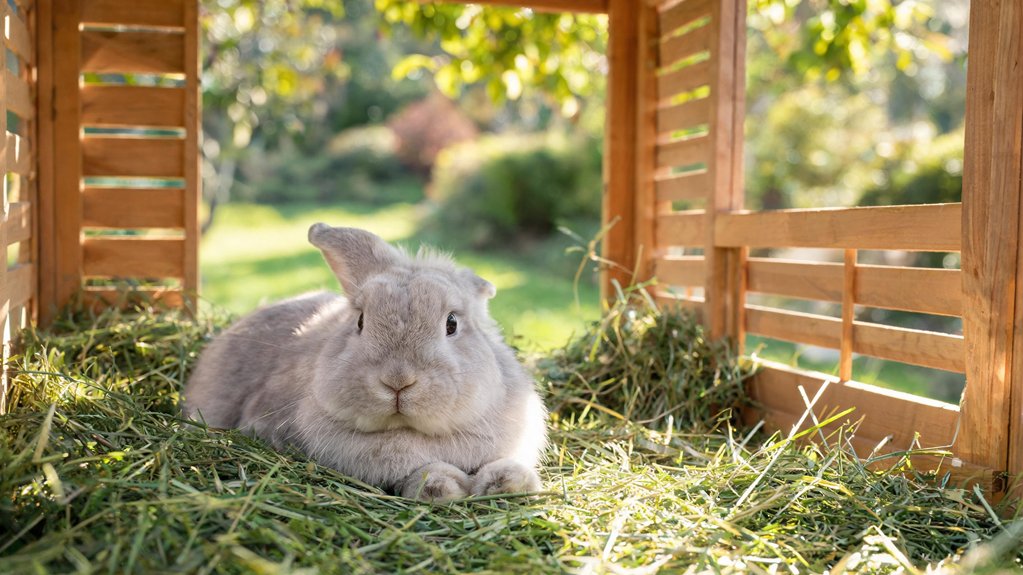
To prevent flystrike from becoming an emergency, make proactive daily prevention a priority—especially during warm weather conditions. Conduct thorough twice-daily full-body inspections of your rabbit, paying particular attention to critical areas such as the perineum, lower belly, and under the dewlap.
During these checks, look for signs of matted fur, dampness, fecal buildup, or any open wounds, and promptly address these issues to minimize risk.
Monitor your rabbit’s vital behaviors including eating, drinking, urinating, and defecating. Any refusal to eat or produce fecal matter for 12 hours should be treated as an urgent medical situation, and you should contact a rabbit-savvy exotic veterinarian immediately.
Ensuring the rabbit’s living environment remains dry, clean, and well-ventilated is equally essential. Remove wet bedding daily, perform deep cleaning of housing at least once a week, support the rabbit’s proper weight, and discuss with your veterinarian the benefits of using cyromazine-based flystrike prevention products.
Implementing these targeted, routine management strategies will significantly reduce the risk of flystrike and safeguard your rabbit’s health and well-being.

4 PACK GUINEA PIG PADS– Size of guinea pig cage liner is 72 x 36cm (28.3 x 14.2 inch), perfect size to use as bedding for C&C 2 x1 cages. This guinea pig pee pads can lock...
How to Prevent Soiling That Attracts Flies
Make preventing soiling a core part of your daily maintenance routine, because the strong, foul smell of fly attractants begins right where your rabbit sits and lies. Regularly sweep and remove wet litter or dirty bedding every day, and perform a thorough deep-clean of the hutch at least every other week using a pet-safe disinfectant.
Incorporate high-absorbency bedding materials specifically designed for small animal cages in the toileting area to ensure urine doesn’t pool, thereby reducing fly attraction.
Maintain the hutch’s dryness and proper ventilation to discourage fly presence and odor buildup. Feed your rabbit 85–90% high-quality grass or hay, limit processed pellets, and avoid abrupt changes in diet to prevent sticky, fly-attracting droppings.
Check the rear of the hutch twice daily during warm months to catch any soiling early.
Monitoring your rabbit’s health is essential; if your rabbit stops eating or pooping for more than 12 hours, contact a rabbit-savvy, exotic veterinarian immediately.
Implementing these proactive cleaning, feeding, and health monitoring strategies with reliable small animal care products will significantly reduce fly infestations and keep your rabbit’s living environment clean, healthy, and enjoyable.
Using Cyromazine Products Like Rearguard
Using cyromazine products like Rearguard offers a practical, veterinarian-guided solution to effectively prevent flystrike in rabbits, especially as warm weather approaches. Cyromazine, an active ingredient classified as an insect growth regulator, works by inhibiting the development of blowfly eggs into harmful larvae, thereby protecting your pet from a painful and potentially life-threatening condition.
Using cyromazine like Rearguard helps prevent flystrike by stopping blowfly eggs from developing into painful larvae.
For optimal results, apply a licensed cyromazine product such as Rearguard (6% w/v) up to 10 weeks after a thorough, full-body sponge application. Focus the application from the mid-back to the tail tip, paying particular attention to areas under the tail and between the back legs, where flies tend to lay eggs. This targeted approach ensures comprehensive protection against flystrike.
It is crucial to avoid using cyromazine products on rabbits under 10 weeks old, on damaged or irritated skin, or during pregnancy. Consulting an avian and exotic animal veterinarian is strongly recommended to determine the appropriate timing and frequency of treatment, ensuring your rabbit’s health and safety.
Incorporate this veterinarian-approved solution into your regular rabbit care routine to safeguard your pet from flystrike, especially during the warmer months when fly activity peaks.
Recovery Outlook After Treatment and Ongoing Risk
Once the maggots are removed and your rabbit receives prompt veterinary care from a qualified exotic pet veterinarian, the outlook can become significantly more optimistic—particularly if flystrike was identified early and the skin damage remained mild.
Early detection and immediate treatment are critical in ensuring a full recovery; many rabbits can fully recover when intervention occurs swiftly and effectively.
However, if the larvae have penetrated deep tissue layers, caused shock, dehydration, severe pain, or neurologic impairments, the prognosis becomes more guarded and potentially poor.
Post-treatment, vigilant monitoring is essential to prevent secondary bacterial infections, ongoing dehydration, and the risk of wound reopening.
Engage with a rabbit-knowledgeable exotic pet veterinarian to develop a comprehensive aftercare plan tailored to your rabbit’s specific condition.
Additionally, addressing the underlying causes—such as diarrhea, obesity, urine scald, dental disease, and poor grooming habits—is vital to prevent recurrence of flystrike.
Implementing a thorough husbandry routine, including regular grooming, proper diet, and environmental hygiene, can dramatically reduce future risks.
If your rabbit shows signs of not eating or pooping within 12 hours following treatment, seek emergency veterinary care immediately, as prompt action can be life-saving.
Prioritize consulting with a specialized exotic vet who can provide detailed instructions and support ongoing recovery efforts to ensure your rabbit’s health and well-being.
Frequently Asked Questions
Can Flystrike Start Without Visible Maggots or Smells?
Yes, flystrike can start with zero visible maggots or unpleasant smells. Early signs often include subtle behavioral and physical changes such as sudden quietness, hunched posture, or a noticeable decrease in appetite. These initial symptoms are critical indicators that should prompt immediate inspection of your rabbit’s fur for dampness, soiling, or matting.
If you observe these warning signs, it is essential to seek fast, professional advice from a rabbit-savvy exotic veterinarian. Prompt intervention can prevent the development of visible maggots and more severe health complications. Regular grooming, maintaining a clean living environment, and early detection are key to preventing flystrike and ensuring your rabbit remains healthy and comfortable. Don’t delay—act now to protect your beloved pet from this preventable condition.
How Often Should I Check My Rabbit’s Bottom in Summer?
In summer, it is essential to check your rabbit’s bottom at least once daily to maintain optimal hygiene and prevent discomfort or health issues. During warm or humid weather conditions, perform this check twice daily—once in the morning and once in the evening—to ensure your rabbit stays clean and dry.
If your rabbit is at high risk for matting or urinary problems, or if they tend to get messy quickly, it is advisable to perform these inspections more frequently. Regular monitoring allows for prompt removal of dirt, excess hair, or fecal matter, reducing the risk of painful skin irritations or infections. Using specialized grooming tools and hygiene products designed for rabbits can simplify this routine, providing peace of mind and promoting your pet’s overall health and comfort during the summer months.
What if My Rabbit Isn’T Eating or Pooping—Does That Indicate Emergency?
Yes, if your rabbit isn’t eating or pooping, treat it as an urgent emergency. Contact a highly experienced exotic pet veterinarian who specializes in rabbit health immediately. Prompt veterinary intervention is crucial to diagnose and address underlying issues like gastrointestinal stasis or illness.
If your rabbit fails to eat or pass normal feces within 6 to 12 hours, seek urgent veterinary care without delay. Delaying treatment can lead to severe complications, including life-threatening conditions such as intestinal blockage or dehydration. To prevent emergencies, consider investing in regular health checkups and a balanced diet tailored for optimal digestion. Keeping a close watch on your rabbit’s eating and poop patterns ensures early detection and effective intervention, safeguarding your pet’s health and well-being.
Will Diarrhea or Urine Scald Increase Flystrike Risk Immediately?
Yes, diarrhea and urine scald significantly increase the immediate risk of flystrike in rabbits. Damp, soiled fur combined with urine-stained skin creates an ideal environment that attracts common flies such as *Lucilia sericata* within hours. These flies lay eggs rapidly on the affected fur and skin, leading to fast hatching and potential severe infections.
To prevent this urgent health threat, it is crucial to maintain excellent hygiene and address any signs of diarrhea or urine scald promptly. Regular cleaning of your rabbit’s enclosure, thorough drying of soiled fur, and the application of appropriate fly repellent products can effectively reduce fly attraction. If your rabbit shows signs of decreased appetite or stops pooping for more than 12 hours, seek immediate advice from a rabbit-savvy veterinarian to prevent a potentially life-threatening flystrike emergency.
Are Flystrike-Prevention Products Safe for Rabbits With Sick Pets?
Yes, if you select licensed flystrike prevention products and consult with a rabbit-savvy exotic veterinarian to ensure safety, they are generally safe for use. However, when dealing with a fragile, not-eating infected rabbit, it’s crucial to prioritize their health and avoid any unnecessary risks.
Before applying any flystrike preventive treatment, always ask your veterinarian for personalized advice. Avoid applying products on areas with damaged or open skin, and carefully monitor your rabbit for any adverse reactions. For effective, safe, and reliable flystrike protection, choose proven, veterinarian-recommended products designed specifically for rabbits, and ensure proper use to maintain your pet’s safety and well-being.