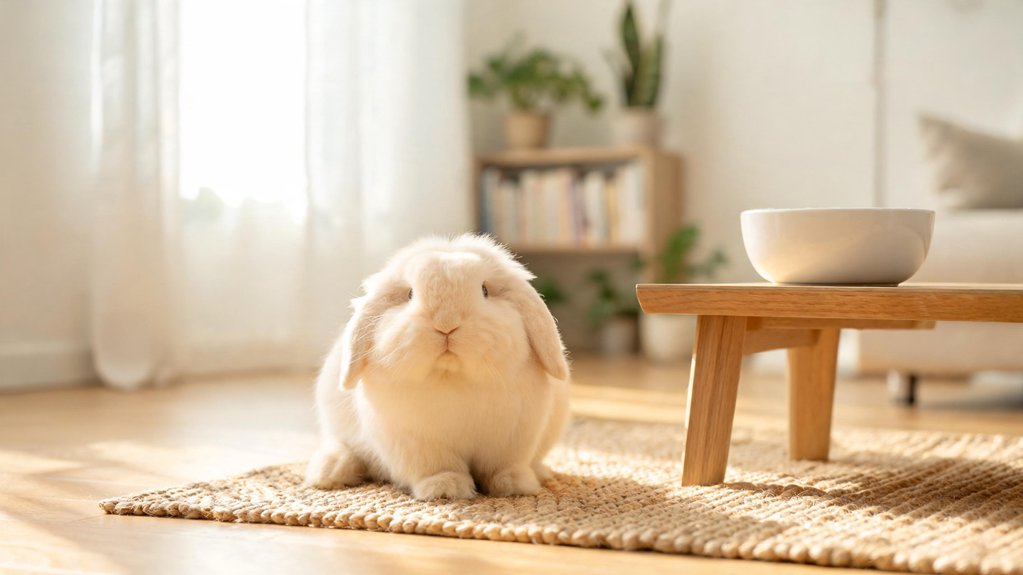
Keep your rabbit cool before it gets scary. Aim for about 18–21°C indoors, and when temps hit 25°C or higher, turn on AC or a low fan, just don’t blow directly at them. Move to shade fast and offer fresh cool water right away. Damp towels on the coolest surface, plus gentle airflow, help a lot.
Watch for fast shallow breathing, panting, or hot ears. Those signs mean act now. Do a quick daily heat check, then keep going to learn more.
Swift Summary
- Keep rabbits in the coolest area (ideally 18–20°C) and act urgently as temperatures approach 27–30°C, especially with humidity.
- Provide permanent shade over the hutch and avoid direct midday sun using shade sails or a sturdy gazebo, blocking afternoon heat buildup.
- Use gentle cross-ventilation with mesh openings at eye level to promote steady airflow without creating forceful drafts.
- Add cooling measures safely: damp cool towel and targeted cool water on fur every 1–2 minutes, plus a carefully adjusted fan.
- Watch for warning signs like open-mouth panting, hot ears, lethargy, drooling, or collapse; move to AC and contact a vet immediately.
Rabbit Heat Limits: What Temperatures Trigger Risk
Before you attempt to cool your rabbit, it’s essential to understand the specific temperature thresholds that pose a risk to their health. For most adult rabbits, comfortable ambient temperatures typically range between 15°C and 25°C (59°F to 77°F). Many indoor environments aim for a temperature around 18°C to 20°C, which is generally ideal for ensuring your rabbit’s well-being. As room temperatures approach 25°C to 27°C (77°F to 81°F), your rabbit will need to exert more effort to dissipate heat effectively. When indoor temperatures rise above 27°C to 28°C (81°F to 82°F), it becomes increasingly difficult for your rabbit to maintain a comfortable resting state. Once the temperature surpasses 30°C (86°F), the risk of heat stress escalates rapidly, especially in high humidity environments that hinder heat dissipation further. Dangerous heat levels begin to develop near 35°C (95°F), where the likelihood of heatstroke significantly increases, posing serious health threats to your rabbit. Heat stress can also be made worse by poor ventilation and lack of breeze, which reduces how effectively rabbits get rid of heat. To prevent heat-related complications effectively, monitor environmental temperatures closely and implement proactive cooling strategies before temperatures reach these critical thresholds. Using targeted cooling measures like fans, air conditioning, or cool, shaded resting spots can greatly enhance your rabbit’s comfort and safeguard their health during hot summer months.
Spot Early Rabbit Heat-Stress Signs Fast
Detecting heat stress in your rabbit early can be the difference between prompt intervention and a life-threatening situation. Act fast by monitoring their breathing rate and overall behavior immediately whenever the house temperature rises. Rapid, shallow breathing or panting are critical warning signs indicating mounting distress.
Act fast when temperatures rise—monitor breathing rate and behavior; rapid, shallow panting signals dangerous heat stress.
NEVER leave rabbits unattended in a vehicle, because even with windows down the temperature can rise quickly and become dangerous.
Pay close attention to their mouth—if they’re opening their mouth wide or panting with an open mouth, this signifies a serious condition requiring immediate action. Examine their ears for abnormal signs. Hot, reddened ears, ears held sideways, or ears that feel unusually warm to the touch often accompany lethargy and decreased activity. Observe their posture; a flat, stretched-out stance followed by a prostrate, “flat” position with half-closed eyes suggests severe heat stress. If you notice drooling, a wet nose, confusion, shaking, or even collapse, prioritize urgent care and seek veterinary assistance right away. Recognizing these early warning signs enables you to implement effective cooling measures, ensuring your rabbit’s health and safety in hot environments.
Build Shaded Housing That Blocks Direct Sun
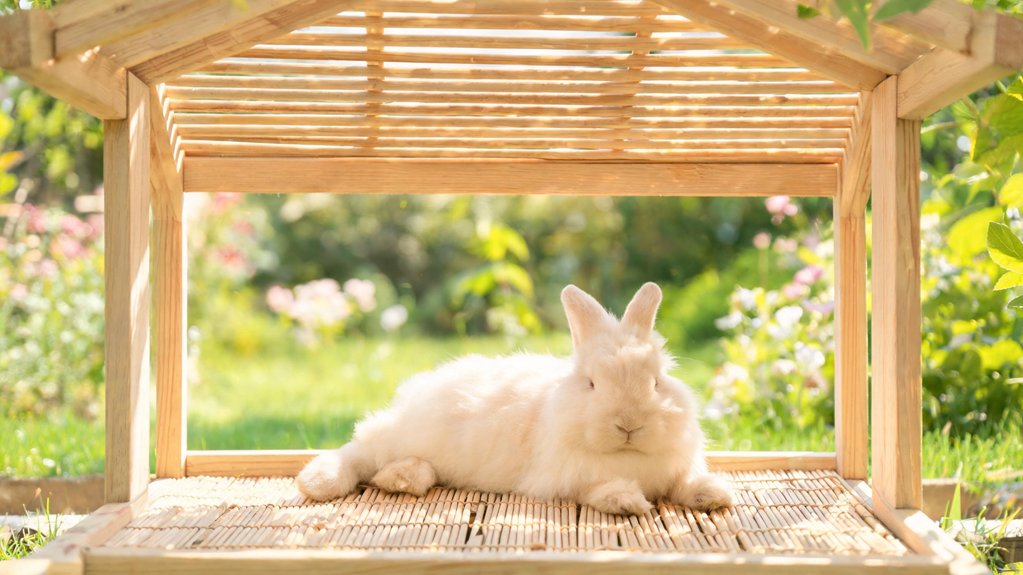
Place your outdoor hutch or poultry housing in a location that provides permanent shade—such as under mature trees, dense bushes, or adjacent to solid, insulated walls. This strategic placement ensures it blocks harsh midday sunlight effectively, preventing it from acting as a heat trap that can elevate temperatures inside the enclosure. Proper shading minimizes heat stress for your animals, promoting healthier and more comfortable living conditions. To optimize cooling during warmer months, install a large sun sail or a sturdy gazebo over the run area. Aim for comprehensive coverage that extends across the entire roof surface rather than just a small patch, ensuring maximum shade throughout the day. Keep the sides of the enclosure open or fitted with mesh panels to facilitate continuous airflow, transforming shade into a cooling solution by promoting ventilation. This approach helps prevent the buildup of hot, humid air, maintaining a cooler, more comfortable environment for your animals and protecting their wellbeing. Make sure there’s a cool hiding place within the shaded area so rabbits can rest away from the hottest conditions.
Site Hutches In Permanent Shade
Start by positioning your outdoor rabbit hutch in permanent shade, ensuring it blocks direct sunlight throughout the entire day—covering mornings, afternoons, and late evenings. Prioritize consistent shade that moves with the sun’s trajectory, and avoid placing the hutch near glass buildings, greenhouses, or windows that can trap heat. Selecting a shaded location not only protects your rabbit from overheating but also helps maintain a cooler, more stable environment.
Place the hutch on well-drained, nearly level ground to promote optimal airflow beneath it, which helps keep temperatures down and reduces moisture buildup.
Align doorways and mesh panels strategically so that midday sun can’t directly reach the front or roof areas, further shielding your rabbit from heat stress.
Incorporate barrier elements such as durable walls, fencing, or dense shrubs to act as additional sun shields, enhancing the overall cooling effect.
To improve ventilation and overall comfort, elevate the hutch on sturdy supports or risers to promote airflow underneath.
Regularly inspect and adapt your shade solutions by checking tree canopy coverage seasonally, ensuring that your rabbit’s environment remains consistently cool and protected throughout changing weather conditions.
These strategic steps safeguard your rabbits’ health, enhance their well-being, and make your outdoor hutch a safe, comfortable investment for long-term pet care.
Use Sun Sails Or Gazebos
If you can’t rely on trees or permanent shade throughout the day, consider constructing a durable sun “roof” using high-quality shade sails or sturdy gazebos over your rabbit hutch and outdoor run. These shade structures serve as an effective solution by providing essential cover, transforming your outdoor space into a cool, protected patio that keeps your rabbits comfortable and safe.
Shade sails with opaque fabric or commercial-grade gazebos with solid roofs are ideal for blocking direct sunlight and reducing heat buildup, unlike clear plastic options that trap heat. Proper placement of these structures is crucial; position covers to obstruct afternoon sun and keep the hutch cool during peak heat hours, especially when outdoor temperatures exceed 30°C. Ensuring the sides remain open promotes airflow, while elevated roofs and gentle breezes further enhance ventilation, creating a shaded environment that maintains temperatures near 18–21°C. For added protection from rain and wind, pair your shade structure with a weatherproof rabbit hutch that keeps the shelter dry while still allowing airflow.
Ventilate Well: Avoid Drafts and Dead Air
To keep your rabbit cool and comfortable, it’s essential to establish steady, gentle airflow—avoiding both powerful drafts and stagnant, stale air. Set up an outdoor or indoor rabbit housing environment with carefully designed ventilation at rabbit eye level to ensure optimal air circulation without causing stress or discomfort.
Place opposing vents, windows, or mesh panels strategically to facilitate cross-ventilation, ensuring fresh air flows freely through the enclosure. Elevate openings higher in the enclosure to allow warm air, which naturally rises, to escape, providing effective temperature regulation while preventing direct, forceful drafts from reaching your bunny.
Position your rabbit hutch or cage away from heat sources such as radiators, space heaters, or direct sunlight, which can cause overheating and discomfort.
For outdoor setups, design the enclosure with at least three protected sides to shield your rabbit from strong winds, and orient the open side away from prevailing wind directions to prevent chilling or excessive airflow. During the evening, fully open doors or windows to promote air exchange, then employ proper ventilation techniques overnight, such as opening additional vents, to maintain fresh airflow throughout the night.
Avoid using heavy covers or blankets that trap heat and reduce airflow, as these can increase the risk of heat stress or respiratory issues.
Investing in high-quality, purpose-built rabbit cages or outdoor hutches with integrated adjustable ventilation panels provides a reliable, long-term solution for maintaining a safe, well-ventilated environment. Proper ventilation systems not only help prevent respiratory illnesses and overheating but also contribute to your rabbit’s overall health and well-being.
Use AC or Fans When It’s Above 25°C
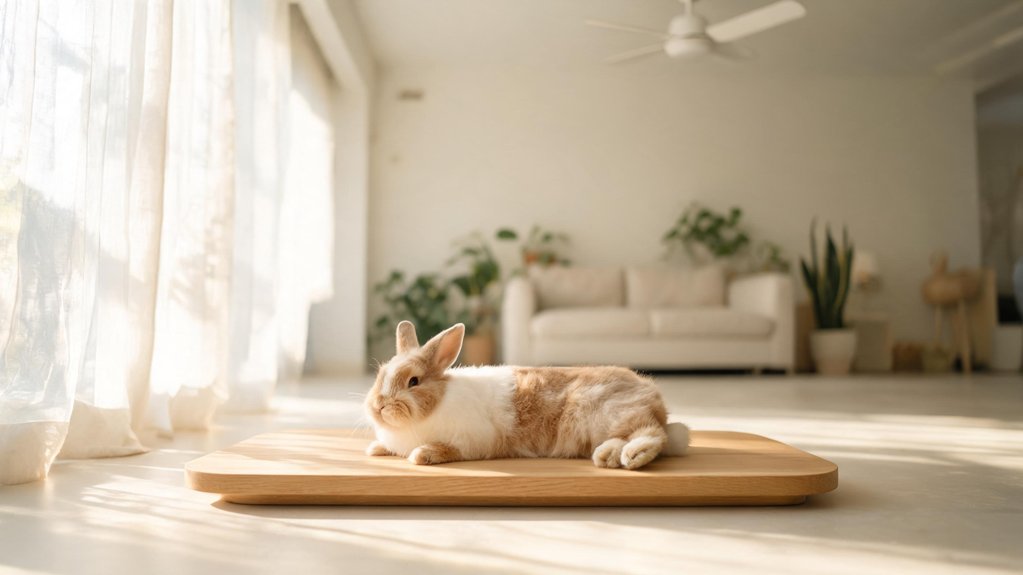
When the indoor temperature rises above 25°C (77°F), it’s essential to implement effective cooling measures to ensure your rabbit’s comfort and safety. Keep the ambient temperature within your rabbit’s optimal range of 60–70°F (15.5–21°C) by utilizing air conditioning or fans as vital temperature control solutions.
Set your air conditioning unit to maintain a steady room temperature that never exceeds 25°C, providing a controlled, cool environment that prevents heat stress and promotes overall well-being.
Set your air conditioner to keep your room below 25°C, ensuring a cool, controlled environment and preventing heat stress.
For additional cooling support, operate a fan on low or medium settings to circulate air gently throughout the space. Position the fan so it doesn’t blow directly at your rabbit, allowing the animal to move away from the airflow if desired.
If air conditioning is unavailable, use a fan to promote air circulation or create a cooling breeze by blowing air across large ice blocks placed strategically within the room.
Complement these measures by closing curtains during peak sunlight hours to block direct sun exposure, minimizing heat gain and maintaining a comfortable, healthy environment for your rabbit.
These practical cooling solutions ensure your pet remains comfortable and protected during warmer temperatures, making your space a suitable, safe habitat.
Cool With Damp Towels: When Humidity Is Low
With the increasing summer heat and dry outdoor conditions, using damp towels can serve as an effective, affordable cooling solution for your rabbit. Especially in environments with low to moderate humidity levels—roughly 15–25°C temperature range and humidity near 55–65%—the moisture from the towel quickly evaporates, helping to lower the ambient temperature around your rabbit’s hutch. This natural evaporation process provides a gentle cooling effect crucial for preventing heat stress during hot weather.
To optimize this cooling method, place a damp towel over part of the outdoor hutch, ensuring it’s positioned over mesh or ventilation areas to maintain airflow. Avoid covering vents or openings that are essential for proper ventilation.
For direct contact cooling, lightly lay the damp towel underneath or beside your rabbit in a cool, slightly damp state, but always monitor ears and breathing closely to prevent overcooling or discomfort. Cooling mats for rabbits offer a dry, chilled surface to lie on, making them a useful alternative when towels are impractical.
This simple solution, when implemented correctly, can significantly enhance your rabbit’s comfort and safety during peak summer temperatures, making it an essential addition to your pet care toolkit.
Add Frozen Bottles for Safe Cool Resting Spots
And one of the most effective and affordable ways to provide your rabbit with a safe, cool resting spot during hot weather is by adding frozen water bottles. These bottles act like a portable “ice pack,” lowering the temperature around your pet and creating a comfortable environment.
Place plastic bottles in shaded areas, such as corners of the enclosure or near their favorite lounging wall, giving your rabbit the freedom to choose where it wants to rest in cooling comfort.
Use 1–2 liter bottles for extended cooling effect, freeze them overnight, and fill each about 3/4 full to allow for expansion during freezing. Wrap each frozen bottle in a thick towel or sock to prevent accidental cold burns and keep caps tightly secured to avoid leaks.
Rotate the bottles throughout the day, especially when outdoor temperatures exceed 30°C, ensuring your rabbit maintains a cool and safe resting environment. Implementing this simple yet effective cooling solution can significantly improve your rabbit’s well-being during heatwaves, making it an essential addition to your pet care routine.
Use Chilled Tiles or Cooling Mats
Use Chilled Tiles or Cooling Mats to effectively reduce your rabbit’s temperature and ensure their comfort during scorching summer days. Opt for shaded, firm surface options such as ceramic, slate, granite, or marble tiles which provide a stable and cool resting area for your rabbit to lie down comfortably, promoting their health and well-being. Ceramic cooling tiles offer a cool surface that helps rabbits regulate their body heat during hot weather.
Invest in high-quality pet cooling mats or pads that are specifically designed to stay cool without the need for electricity. These gel-free or self-cooling mats are durable, safe, and a convenient solution for maintaining a cool environment.
Before peak hot hours, chill a tile or plate in your refrigerator or freezer for 20 to 30 minutes and then place it in the shaded area of your bunny’s enclosure. Position the cooled tile on flat, non-slip ground near favorite hides or along the edges of your rabbit’s run to encourage natural resting behaviors.
Regularly check the cooling mats for signs of chewing, punctures, or leaks to ensure continued safety. Secure tiles properly so they don’t tip over, and always keep pathways, food, and litter areas unobstructed to prevent accidental injuries.
Cool Rabbit Ears With Water (Quick, Gentle)
Cool rabbit ears can significantly reduce their temperature quickly, especially after you’ve already set up a cooling environment using shaded areas or cooling mats. Since rabbits primarily regulate their body heat through their ears, providing targeted cooling to this area can be highly effective in preventing heat stress.
Start by relocating your rabbit to a shaded, well-ventilated space with good airflow. To enhance cooling, use a small spray bottle filled with lukewarm, not cold, water. Mist the outer surfaces of the rabbit’s ears, focusing on the back of the ears where heat dissipates most efficiently. Alternatively, wet your hand and gently stroke each ear, creating a thin damp film—not dripping—on the ear surfaces. Avoid using ice-cold water, as it can cause discomfort or shock.
Regularly monitor your rabbit for signs of heat stress, such as panting, drooling, or lethargy. Recheck every few minutes during the cooling process. If symptoms worsen or persist, contact your veterinarian immediately for professional advice and treatment options. Implementing these quick, gentle cooling techniques can help prevent serious health complications and keep your rabbit safe during hot weather.
Never Use Ice Baths: Use Gradual Cooling Instead
Instead of plunging your rabbit into ice water or pressing ice packs directly onto their delicate fur and skin, opt for a gradual cooling approach that emphasizes safety and effectiveness. Begin by relocating your rabbit immediately to the coolest available environment, such as a shaded outdoor area or an air-conditioned room, to minimize heat stress.
Following this, place your rabbit on a damp, cool towel; the moisture facilitates heat transfer through conduction and enhances evaporative cooling, helping to stabilize their body temperature.
Next, apply cool, not icy, water with a soft cloth to small, targeted areas of your rabbit’s fur every 1 to 2 minutes. This gentle method reduces the risk of thermal shock and ensures a controlled cooling process.
Use a carefully adjusted fan to promote air circulation around your rabbit, but avoid direct, forceful airflow that could cause additional stress.
Throughout this process, closely monitor your rabbit’s breathing, responsiveness, and overall physical condition. Seek veterinary assistance promptly—timing is critical—regardless of any temporary improvement, as professional care ensures proper diagnosis and recovery support.
This strategic, step-by-step cooling solution prioritizes your rabbit’s health while providing an effective means to manage heat-related emergencies safely.
Keep Fresh Water Available at All Times
Keep fresh, clean water available at all times to ensure your rabbit’s health and well-being. Never restrict access, even during cooler periods—dehydration and heatstroke remain significant risks, especially in warmer months. Regularly check water sources at least twice daily, and promptly top off or replace with fresh water to prevent contamination and ensure hydration.
Place water bottles or ceramic crocks in the shadiest, coolest areas of the hutch or outdoor run to help maintain water temperature and prevent spoilage. For optimal hydration, provide more than one water source within each enclosure, reducing competition among your rabbits and minimizing the chance of any water source running empty.
Keeping water containers clean and sanitized, using high-quality, durable materials designed for frequent use, will promote consistent drinking habits and support your rabbit’s overall health and vitality. Implementing these water management strategies maximizes their comfort, promotes optimal hydration, and reflects your commitment to responsible rabbit care.
Boost Drinking With Bowls and Ice Cubes
Boost your rabbit’s hydration during hot summer months by providing fresh water in durable, wide, low-sided ceramic or thick-plastic bowls. Place these bowls in shaded, cool areas within their enclosure, ensuring they sit on level surfaces to prevent tipping. Regularly empty, rinse, and refill with clean, cool water to maintain an inviting taste that encourages increased drinking behavior.
To further enhance hydration, set out multiple water bowls across different zones within the enclosure, reducing competition and ensuring your rabbit always has easy access to fresh water. For additional cooling during peak heat hours, add small ice cubes to the water, carefully maintaining a mostly liquid state to prevent sudden temperature shocks. For variety and added refreshment, you can occasionally offer fruit-herb infused ice cubes, but never include large chunks that could pose choking hazards.
This solution-focused approach keeps your rabbit comfortably hydrated, healthy, and happy in the summer heat.
Groom and Trim Fur to Reduce Overheating
When summer heat ramps up, you can help your rabbit stay comfortably cool by grooming more often. Loose fur traps heat close to their skin, so regular grooming is essential during heavy shedding periods. Use gentle, short brushing strokes to remove loose hair, detangle and eliminate mats, and thin the dense undercoat to enhance air circulation and temperature regulation.
For optimal results, perform multiple quick grooming sessions if your rabbit is experiencing “coat blowing,” preventing excessive fur buildup that can lead to overheating. For long-haired rabbit breeds, such as Angoras or Lionheads, it’s important to schedule regular professional trimming sessions to manage excessive length, particularly around sensitive areas like the rear and underside. Use soft brushes or a rubber grooming mitt, and part the coat carefully to access the skin for thorough grooming.
Proper grooming not only supports your rabbit’s cooler body temperature but also promotes safer hygiene and reduces the risk of heat-related health issues. Implementing these targeted grooming techniques, combined with professional trimming when necessary, provides a comprehensive solution to keep your rabbit comfortable and healthy during hot weather, making this an essential part of caring for your pet during the summer months.
Manage Humidity to Lower Rabbit Heat Stress
Aim for indoor humidity levels around 55–65% to optimize your rabbit’s comfort and help reduce heat stress. Cooler, dry-ish air facilitates heat dissipation through your rabbit’s sensitive ears, supporting their overall well-being during hot weather.
Maintaining precise humidity control can make a significant difference in preventing overheating and ensuring your rabbit remains comfortable.
To achieve this, utilize gentle airflow techniques such as a well-positioned fan with ample clearance—avoiding direct airflow into their face—to promote consistent air circulation without causing stress.
Regularly monitor the room’s humidity levels during peak heat hours, checking at least twice daily.
If humidity starts to rise above 60–65%, activate a commercial-grade dehumidifier to effectively reduce moisture buildup and maintain optimal conditions within your rabbit’s enclosure or living space.
Implementing these solutions ensures a healthier environment, helping your rabbit stay cool and comfortable even during high-temperature periods.
Aim For 55–65% Humidity
Maintaining your rabbit’s humidity levels within the optimal range of 55–65% is essential for supporting their body’s ability to cope with summer heat. To ensure your rabbit stays comfortable and minimize the risk of heat stress, aim for a humidity level of 55–60% when outdoor or indoor temperatures are between 15–25°C. This specific range helps regulate internal body temperature effectively and prevents the heat stress risk that escalates at higher humidity levels.
High humidity environments can cause the heat index to rise more quickly, making your rabbit feel much warmer and increasing the likelihood of heat stress—even if the ambient temperature seems moderate. To monitor these conditions accurately, invest in a reliable, digital humidity meter that provides real-time readings. Use this data to adjust your environment efficiently, such as through deploying dehumidifiers or repositioning your rabbit’s habitat to cooler or more ventilated spots.
If you notice the air feels excessively sticky or humid—signs of elevated moisture levels—act immediately by increasing ventilation or reducing humidity sources. Acting promptly ensures your rabbit remains healthy, comfortable, and protected from heat-related stress, especially during the peak of summer heat. Remember, proactive humidity management is a crucial component of a comprehensive summer care routine for your rabbit.
Use Ventilation To Prevent Humidity Spikes
Good airflow plays a crucial role in controlling humidity spikes in your rabbit’s habitat, thereby reducing their heat stress risk. Proper ventilation prevents the buildup of hot, humid air, which can rapidly compromise your rabbit’s health.
To optimize air circulation indoors, open safe windows to facilitate cross-ventilation, utilize fans that are positioned to avoid direct blowing onto your rabbit, and ensure a steady flow of fresh air without creating uncomfortable drafts.
When outdoor temperatures reach approximately 85°F or higher, or indoor temperatures surpass 77°F, activate exhaust fans or air conditioning units to maintain a comfortable environment.
Position fans strategically to promote evaporation, which enhances the cooling process for your rabbit.
For outdoor housing, place hutches in shaded locations where natural breezes naturally reach the enclosure, and avoid direct sunlight exposure.
Implementing these ventilation solutions effectively manages humidity levels, prevents heat-related stress, and supports overall rabbit well-being, making them an essential part of your rabbit care routine.
Re-Site Shade and Airflow as the Day Changes
As the sun moves across the sky, your rabbit’s shade coverage must be adjusted accordingly. To ensure optimal protection and comfort, track the sun’s position hourly and reposition your shading solutions like movable tarps, parasols, or shade cloth on open sides of the enclosure. This proactive approach allows you to maintain access to shade during the hottest periods of the day, safeguarding your rabbit from overheating.
Position your rabbit’s enclosure on the east or north side of a solid wall or fence, which naturally provides consistent afternoon shade. Incorporating strategic shading on open sides not only reduces direct sun exposure but also promotes effective airflow.
Place ventilation features such as mesh panels or vents directly opposite shaded areas to facilitate cross-ventilation—this setup helps keep the environment cool without trapping heat.
If outdoor temperatures approach 28 to 30°C, consider relocating the rabbit hutch to a cooler, well-ventilated outbuilding, shed, or garage. This adjustment ensures your pet remains comfortable during peak heat.
Remember that a cover alone does not guarantee safe temperatures, so shade and airflow adjustments remain essential even when using protective hutch covers.
Do a Daily Heat Check: Temp, Water, Behavior
Perform a quick heat check at least twice daily—once in the morning when temperatures rise and again in the afternoon—by using a reliable thermometer placed in your rabbit’s living habitat. Monitor the daily high temperature diligently, as maintaining a comfortable environment directly impacts your rabbit’s health and well-being.
Regularly inspect water sources, whether bowls or bottles, ensuring they’re clean, cool, and always filled with fresh water. A pristine water supply prevents dehydration and supports your rabbit’s overall hydration; if you notice algae or a greenish film buildup, it’s essential to thoroughly clean and disinfect the watering equipment.
Additionally, track how much water your rabbit consumes each day to detect any potential health issues early. Continuously observe your rabbit’s respiration rate, posture, ear coloration, and activity level.
Elevated breathing rates, open-mouth panting, hot red ears, drooling, or sudden lethargy are signs of heat stress, requiring immediate intervention.
Taking these proactive measures with reliable tools and regular observations ensures your rabbit stays comfortable and healthy during warmer days, giving you peace of mind and safeguarding your pet’s well-being.
Check Temperature And Humidity
Before you start changing anything, check the essentials daily—namely, temperature, humidity levels, and your rabbit’s behavior—since early detection of abnormal readings or signs of discomfort can prevent heat stress and ensure optimal well-being.
Position your reliable thermometer near the hutch, avoiding direct sunlight to get accurate ambient conditions.
Aim to maintain a temperature between 60–72°F (15–25°C) and keep humidity levels moderate, ideally within 45–65%, with readings under 70% for optimal comfort.
Use a precise hygrometer, a dedicated humidity measuring device, and record both maximum and minimum values regularly to monitor fluctuations.
Proper interpretation of these metrics is critical: temperatures above approximately 90°F combined with high humidity significantly elevate the risk for heat stress in your rabbit.
If the combined temperature and relative humidity (RH) percentage exceed 150, immediate action is necessary to prevent health complications.
Monitor your rabbit for symptoms such as flat, stretched posture, excessive panting, or sluggish movements, as these behavioral cues indicate thermal stress.
Employing reliable, easy-to-use temperature and humidity monitoring tools provides early warning signs, enabling swift intervention.
Maintain optimal environmental conditions using commercial-grade ventilation systems, cooling options, or specialized heat-reflective covers to safeguard your rabbit’s health and promote a comfortable, stress-free habitat.
Inspect Water Bowls Daily
Inspect Water Bowls Daily, ensuring your rabbit’s hydration essentials are always optimal for health and well-being. Check your rabbit’s water bowls every day, every time you do your heat check—and yes, even if you just filled them this morning.
Start by topping up the bowls with cool, not icy, water to maintain refreshment without causing discomfort. Then, scrub away any food debris, slime, and biofilm buildup to encourage your rabbit to stay hydrated.
Pay attention to the water temperature as well; replace warm or sun-exposed water several times daily to prevent bacteria growth. Additionally, adding a few ice cubes on very hot days can help keep the water cool and appealing.
For the best hydration solution, select heavy, sturdy bowls made of stainless steel or ceramic. Place them on level spots away from bedding and direct sunlight to prevent spills and contamination.
Offer both water bowls and bottles to give your rabbit options, and regularly confirm that bottle tips aren’t blocked and water flow remains consistent.
Consistent inspection, cleaning, and updating of your rabbit’s water sources promote optimal hydration, supporting overall health and vitality.
Monitor Respiration And Lethargy
Once the weather turns warm, it’s essential to perform a quick daily heat check on your rabbit to prevent heat-related emergencies. Begin by monitoring their respiration rate and overall energy levels. In cooler conditions, a healthy, calm rabbit typically breathes approximately 30 to 60 times per minute, with nearly silent breaths, a clean and dry nose, and consistent activity.
However, during hot weather, watch for signs of distress such as rapid, shallow breathing, panting, or open-mouth breathing. Any indication of a wet nose, drooling, grunting sounds, rattling respirations, or noisy breathing warrants immediate action.
In such cases, contact your exotic pet veterinarian promptly to ensure proper intervention and prevent heatstroke or respiratory distress.
Furthermore, assess your rabbit’s behavior regularly. Symptoms like lethargy, stretched-out or flattened body posture, refusal to move, loss of appetite, wobbliness, or confusion are critical indicators of overheating or heat exhaustion.
It’s especially important to conduct these checks multiple times daily when outdoor temperatures exceed approximately 85°F, as prompt detection can significantly improve your rabbit’s health outcome.
Implementing these regular respiration and lethargy assessments into your daily routine ensures early identification of heat stress signs, allowing you to take swift corrective measures.
Consider investing in temperature-controlled environments or cooling systems, and keep water readily accessible to maintain your rabbit’s comfort during hot weather.
Prioritize these proactive health checks and environmental controls to safeguard your rabbit’s well-being during warmer seasons.
If Heatstroke Hits: Cool Ears and Get a Vet
If your rabbit exhibits signs of heatstroke, such as rapid or labored breathing, drooling, weakness, confusion, or if it’s lying stretched out and unresponsive, treat it immediately as an emergency situation. Quickly relocate your pet to the coolest shaded or indoor environment to prevent further heat stress.
Enhance cooling by gently applying cool, damp cloths—never cold or ice-cold—to your rabbit’s ears. Cooling the ears is a proven method to help your rabbit dissipate excess body heat efficiently and can be a critical intervention in preventing heatstroke-related complications. Position your rabbit near a fan or gentle breeze, avoiding direct sunlight, which can exacerbate overheating.
Gently apply cool, damp cloths to your rabbit’s ears—never ice-cold—to help it dissipate heat effectively.
In addition to ear cooling, apply cool, damp cloths to the rabbit’s neck, groin, and feet, as these areas help regulate body temperature effectively.
Offer fresh, cool water to sip, but only if your rabbit is capable of swallowing comfortably.
Don’t attempt to submerge your rabbit in ice water or apply ice packs directly to the skin, as this can cause further stress or injury.
Act quickly by contacting your veterinarian without delay to receive professional guidance and ensure your rabbit receives the necessary medical treatment essential for recovery from heatstroke.
Immediate intervention with these cooling strategies and prompt veterinary support can be lifesaving.
Common Summer Mistakes That Overheat Rabbits
Before you implement cooling strategies, address common summer mistakes that can silently cause overheating in rabbits. Ensure that outdoor rabbit hutches are placed out of direct sunlight and avoid positioning them inside greenhouses or glass-enclosed rooms, where heat can rapidly build up.
For outdoor housing, add adjustable shade structures that follow the sun’s path, providing consistent relief and preventing unexpected temperature spikes during peak afternoon hours.
Never house rabbits in attic apartments or warm indoor rooms without effective daytime darkening, as elevated temperatures in these spaces can jeopardize rabbit health.
Next, optimize airflow within the habitat. Avoid enclosures with solid, unventilated sides; instead, incorporate proper ventilation systems that promote fresh air circulation.
This is especially crucial when outdoor humidity levels rise above approximately 60%, as high humidity exacerbates thermal stress.
To ensure continuous access to hydration, provide multiple water stations throughout the habitat, refill them regularly, and avoid relying solely on room-temperature water.
Implementing these practical fixes enhances your rabbit’s comfort, reduces heat stress risks, and promotes overall health during hot summer months.
Troubleshoot Cooling Failures: Quick Safety Checks
When summer heat begins to intensify, immediate safety checks are essential to prevent your rabbit from succumbing to heatstroke. Start by closely monitoring vital signs such as breathing rate and activity level. Signs like rapid panting, shallow quick breaths, hot or red ears, and lethargy indicate imminent danger and require prompt action.
When summer heat intensifies, monitor breathing rate and activity closely—rapid panting and lethargy can signal dangerous heatstroke.
Next, identify severe heat stress symptoms including excessive drooling, open-mouth breathing, wobbliness, collapse, confusion, seizures, or fits. Recognizing these critical signs ensures rapid response to save your pet’s life.
Then, evaluate the habitat conditions. Ensure your rabbit’s enclosure remains below approximately 77°F (25°C) by providing ample shade, high airflow, and cool surface areas like tile floors or cooling mats. Verify that the water supply is unblocked, fresh, and plentiful. For additional cooling, add ice to heavy water crocks or bowls to help lower ambient temperature quickly.
If you detect signs of heatstroke, immediately relocate your rabbit to a shaded, cool room or a well-ventilated indoor space. Contact your veterinarian promptly for professional advice and potential treatment options. By implementing these quick, effective safety measures, you protect your rabbit from heat-related emergencies and promote their well-being during hot weather conditions.
Frequently Asked Questions
Can I Use an Ice Bath if My Rabbit Seems Overheated?
No, you should not use an ice bath for a rabbit showing signs of overheating. Immersing your rabbit in ice-cold, full-body water can cause shock, which may be dangerous or even life-threatening. Instead, focus on safer cooling methods that prioritize your rabbit’s health and comfort.
Quickly move your rabbit to a shaded area or indoors with air conditioning to help regulate their body temperature. Gently dampen their ears and some fur with cool, not icy, water to provide a safe cooling effect. It is crucial to contact a veterinarian immediately for professional guidance and potential treatment options. Proper care and responsive action can prevent heatstroke and ensure the well-being of your pet rabbit.
How Do I Know My Rabbit Is Overheating Before It Gets Serious?
Know it early by closely monitoring your rabbit’s behavior, as overheating can become life-threatening within hours. Key signs include rapid or labored breathing, ears feeling hot to the touch, lethargy, decreased appetite, excessive panting, drooling, or a wobbly, unsteady gait.
Act swiftly if you observe any of these symptoms by cooling your rabbit immediately and contacting your veterinarian for professional guidance. Using cooling mats, a fan, or gently misting your rabbit with cool water can help reduce body temperature quickly. Ensuring your rabbit’s living environment is well-ventilated and kept within a safe temperature range is essential for prevention and peace of mind. Invest in reliable cooling accessories and preventative solutions to protect your pet from heat-related emergencies.
What Humidity Level Is Too High for Rabbit Summer Comfort?
Aim to maintain the humidity level below 70% during hot summer months to ensure optimal comfort and safety for your rabbits. Once the humidity reaches 70% and higher, rabbits experience increased difficulty in regulating their body temperature, which significantly elevates their risk of heat stress and related health issues.
If indoor or outdoor humidity levels persist around 72% or above with high temperatures, immediate action is necessary. Implementing climate control solutions such as powerful air conditioning, dehumidifiers, and improved ventilation can effectively reduce humidity and create a cooler, more comfortable environment. Prioritizing these adjustments will help protect your rabbits from heat-related ailments and promote their well-being throughout the hot season.
Is Misting Safe, and Where Should I Cool Them With Water?
Yes, misting is safe when performed correctly, especially if you lightly mist the sensitive areas such as the ears and upper body until the fur is only slightly damp, avoiding any soaking. Utilizing cool, clean tap water is recommended for optimal safety and comfort.
For effective cooling, gently mist behind the ears and around the feet, which are key areas where heat tends to accumulate. It is crucial to avoid spraying directly on the face, nose, and mouth to prevent discomfort or accidental ingestion of water. Proper misting techniques help regulate your pet’s temperature comfortably and safely, providing an ideal solution for hot days or when additional cooling is necessary.
Implementing this targeted misting approach can significantly improve your pet’s comfort and health during warm weather. For best results, consider using a fine mist spray designed for pet use, ensuring consistent, gentle application without overwhelming the animal. This method offers a safe, efficient, and cost-effective way to keep your pet cool and comfortable, especially during outdoor adventures or in warm indoor environments.
What Should I Do Immediately if I Suspect Heatstroke?
Act quickly—do not delay. Immediately move your rabbit, a sensitive and heat-vulnerable pet, to a shaded, cool, and well-ventilated area to prevent further heat absorption. Begin gentle cooling measures by applying cool, damp cloths to your rabbit’s ears, which are highly vascularized and help dissipate heat efficiently. Providing fresh, cool water is essential to help rehydrate your rabbit and lower core body temperature.
Contact a specialized, emergency rabbit-savvy veterinarian without delay, as heatstroke can be life-threatening if not treated promptly. Utilizing prompt and effective cooling techniques alongside immediate professional veterinary care can significantly improve your rabbit’s chances of recovery. Investing in these rapid-response actions and consulting an expert ensures your rabbit’s health and safety during heat-related emergencies.