You bite back? No—your rabbit likely bites from fear, hormones, pain, or territorial guarding. Watch body language: pinned ears, tense freezing, growls, and “clamp” bites mean defense, not play.
Stop the moment you see warnings, back up, and don’t block exits in cages or near nests. Check for pain first, especially if it’s sudden—call a rabbit-savvy vet if appetite drops or droppings stop.
If puberty is the cause around 3 to 6 months, spay or neuter plus calm, non-cornering handling can help fast—keep going, there’s more.
Swift Summary
- Rabbits bite from territorial guarding—food, litter, resting spots, nests, or during cage cleaning—so manage access and remove triggers.
- Hormones and puberty can increase aggression in unspayed/unneutered rabbits; spaying or neutering often reduces biting within weeks.
- Distinguish bite types: fear bites happen when trapped or startled, while play nips occur during calm, energetic attention-seeking.
- Prevent fear by avoiding looming, sudden lifting, and blocking escape routes; approach calmly at eye level and give space.
- If bitten, stop handling immediately, step back, then clean promptly and contact a healthcare provider about tetanus and wound care.
Why Rabbits Bite (Most Common Triggers)
If your rabbit bites, it usually has a reason, and most of the time, that reason stems from a few common triggers linked to their natural instincts and behavior patterns.
Often, biting results from territorial aggression and resource guarding. When you invade your rabbit’s hutch, cage, run, pen, or nesting area—especially during critical times such as feeding or cleaning—they may lunge and bite as a defense mechanism.
Rabbits may also nip or test boundaries with less-intense mouth contact before escalating, especially when they’re asking you to back off.
Rabbits instinctively guard their food bowls, litter trays, toys, and favorite resting spots to protect valuable resources. Recognizing these triggers allows you to implement effective strategies such as creating a calm, predictable environment and establishing gentle routines that minimize territorial disputes.
Unspayed female rabbits are particularly prone to heightened defensiveness during real or false pregnancies. During these periods, they may display behaviors like grunting, boxing, scratching, and biting to communicate their discomfort and protect their perceived territory.
Entire male rabbits or hormonally active rabbits may also become more aggressive and prone to biting when they feel their boundaries are threatened or insecure.
To foster a positive and trusting relationship with your rabbit, consider management techniques such as providing secure, separate spaces during sensitive times, using calming routines, and ensuring consistent handling.
These approaches help reduce territorial and hormonal aggression, ultimately creating a safer environment where biting incidents are minimized, and your rabbit feels secure and comfortable.
Investing in these proactive management strategies not only enhances your bond but also promotes better overall well-being for your furry friend.

Size: XS fit for rabbits/chinchilla/guinea pigs with head circumference between 3.9"-8.7"(10-22cm). S fit for rabbits/chinchilla/guinea pigs with head circumference between 4.3"-10.2"(11-26cm). Please measure the size of your pet before order, take each measurement a bit loosely.
Size: XS fit for rabbits/chinchilla/guinea pigs with head circumference between 3.9"-8.7"(10-22cm). S fit for rabbits/chinchilla/guinea pigs with head circumference between 4.3"-10.2"(11-26cm). Please measure the size of your pet before order, take each measurement a bit loosely.

COMFORTABL MATERIAL - Made of soft fleece and filled with PP cotton, won't irritate pets skin, comfortable to wear. Ensures pet comfortable wearing experience and won't irritate pets skin.
Fear Bites vs Play Nips vs Defensive Bites
When your rabbit bites, it’s essential to identify which type of bite it’s because the most effective solution depends on understanding the underlying cause. If it’s a fear bite, you’ll notice signs such as a tense body posture, pinned or flattened ears, and a quick, hard clamp when escape routes are obstructed.
In this situation, the best approach is to gradually build trust by backing away calmly, providing a clear and accessible escape route, and avoiding reaching over the rabbit, which can trigger further fear or defensive reactions.
If the bite is a play nip, it typically occurs during energetic zoomies or when the rabbit is seeking attention. Play nips are usually gentle pinches, often accompanied by lively behaviors.
However, if you observe warning signs like circling, growling, or charging, these behaviors indicate defensive escalation. To prevent escalation, it’s crucial to end the interaction immediately before the behavior intensifies into a deeper, more aggressive bite.
Employing these insights helps create a safer environment and fosters positive interactions with your rabbit, ultimately enhancing trust and reducing unwanted biting incidents.

WOVEN GRASS MAT: Hand-woven grass rabbit bed has the scent of the outdoors that your little pet loves. Please note that because this is a hand-woven product, each pet bedding mat is not always the same size

NATURAL SISAL MATERIAL --- This bunny scratch mat made of 100% natural sisal fiber, providing a safe and healthy scratching surface for rabbits to satisfy their natural scratching and chewing needs, and the edges are hemmed, which will not stab the claws, beautiful and pet friendly.

Package includes 2 pack large rabbit litter box, measures 14.5"L x 11.7"W x 2.6"H, can provide plenty of room for your lovely pet to move around and avoid the overflow of garbage and keep the room tidy.
Fear Triggers And Escape Blocking
Fear-driven bites in rabbits typically manifest when your pet feels trapped, startled, or in pain. These bites are distinct from quick, playful “nip” gestures or more deliberate defensive bites. Understanding the cause of these bites is essential for effective behavior management and ensuring a safe, stress-free environment for your rabbit.
Such aggressive responses often serve as escape mechanisms driven by fear or insecurity. For example, when a rabbit experiences restraint, chasing, sudden loud noises, or being lifted unexpectedly, it may respond with a deeper, more forceful bite. These actions can produce pressure that indicates the rabbit’s attempt to find a safe exit route.
Additionally, blocking access points like cage doors, tunnels, or hiding places with your hands can corner your rabbit, intensifying their fear and prompting defensive biting.
To effectively address and prevent these bites, it’s crucial to establish a safe and trusting environment. When a rabbit bites due to fear, remain calm and composed—rapid or anxious reactions can escalate their distress.
Gently back away from the rabbit, and ensure there’s always an unobstructed escape route nearby. Slowly remove your hand from their space to avoid further startling them.
Providing a designated safe “bolt-hole” or refuge within their enclosure encourages positive associations with safe spaces, promoting confidence and reducing fear-driven aggression. Implementing these gentle, solution-focused approaches fosters a trusting relationship and minimizes the risk of future bites.
Play Nips During Social Play
Usually, play nips occur during calm social interactions with your rabbit, indicating playful behavior rather than fear or defensiveness. These quick, light bites involve the rabbit using its front teeth in a gentle manner that doesn’t break the skin. You may observe relaxed body language, a gentle nudge, and then a soft pinch that signals “Move,” “Enough,” or “Let’s groom.” Recognizing these cues allows you to differentiate between playful nips and more serious biting behavior, ensuring a positive bonding experience.
If your rabbit’s behavior includes biting that breaks the skin, lunges aggressively, or appears tense and hostile, these are signs of stress or fear rather than playfulness. To prevent unwanted or aggressive bites, pause petting immediately, provide your rabbit with quiet space, and redirect its attention to an appropriate chew toy or enrichment item. This technique helps reinforce boundaries gently but effectively.
In cases where your rabbit bites you during handling, it’s essential to seek prompt first-aid to treat any skin trauma. Following this, adjust your handling approach to reduce stress and improve your rabbit’s comfort.
Consistent, positive interaction strategies combined with proper environmental enrichment create a safer, more enjoyable experience, enhancing your bond and promoting appropriate social behaviors. Whether for pet training or behavioral management, understanding and responding correctly to play nips can lead to a more harmonious relationship with your rabbit.
Defensive Warning To Bite Escalation
If you’re noticing more than playful “move” nips, your rabbit may be entering a defensive warning phase, signaling that it feels threatened or stressed. This heightened state is characterized by tense crouching, a low body posture, ears pinned back against the head, wide eyes displaying alertness, freezing in place, grunting sounds, growling, and paw “boxing.”
You might also observe physical signs such as thumping or stomping as a warning to back off.
To ensure your safety and promote a healthy, stress-free environment for your rabbit, it’s crucial to recognize these warning behaviors early.
Stop reaching into the cage or handling area, give the rabbit plenty of space, and step back to reduce its anxiety.
If you’re managing a rabbit through handling, immediately release any restraint to avoid escalation into defensive biting.
In cases where a rabbit bites you, it’s important to respond promptly and appropriately.
Wash the wound thoroughly with soap and water, cover it with a clean bandage, and contact your healthcare provider for further guidance.
Ask your clinician whether you need a tetanus shot, as many practitioners recommend checking your vaccine status after any animal bite.
Implementing these safety steps is key to preventing injury and maintaining a positive, trusting relationship with your pet.
Territorial Rabbit Biting: Food, Litter, Nest
When your rabbit bites during food time, litter cleaning, or while you reach into their favorite sleeping spot, it’s often a sign of territorial behavior aimed at guarding “their” space, rather than an act of meanness. Recognizing these signs allows you to take proactive steps to ensure a harmonious relationship with your pet rabbit.
Food-area territorial biting typically occurs when the limited supply of pellets in their bowl causes stress, prompting the rabbit to lunge, box, swat, or bite incoming hands. To prevent this, consider offering larger or more frequent feedings to reduce food-related territorial aggression.
During litter box or enclosure cleaning, your hands reaching from above may appear predator-like in their perception, leading to charging or biting behaviors. Using longer-handled tools and approaching calmly can help reduce this defensiveness, creating a safer cleaning process.
In areas where your rabbit feels secure, such as nests, hidey houses, and favorite corners, they may defend their safe zones aggressively when they perceive intrusion. Implementing safe space protocols and positive association techniques can minimize territorial disputes.
If your rabbit bites you, stay calm, gently pull back, and give them space to reduce stress and prevent escalation. When addressing biting incidents, it’s crucial to stop the activity immediately, step away for approximately 10 minutes to allow both you and your rabbit to reset, and then clean the area after your rabbit has been safely removed.

100% Natural Ingredients: Rabbit toys made of 100% natural Timothy hay and apple branches, rich in vitamins, easy for small animals to chew and digest, promote intestinal peristalsis, and improve pet appetite

Safe: Crafted from high-quality wood, our rabbit toys are finely polished for sturdiness and resistance to biting. With smooth edges designed to prevent harm to your small pets, they provide peace of mind while your furry friends play.

【20 PCS SET】1x apple wood molar string,1x timothy cake string,2x loofah toys,3x timothy grass ball with flowers, 1x rabbit shape grass cake,5x grass sticks,2x woven carrots,4x rattan balls
Rule Out Pain: Vet Check for Sudden Biting
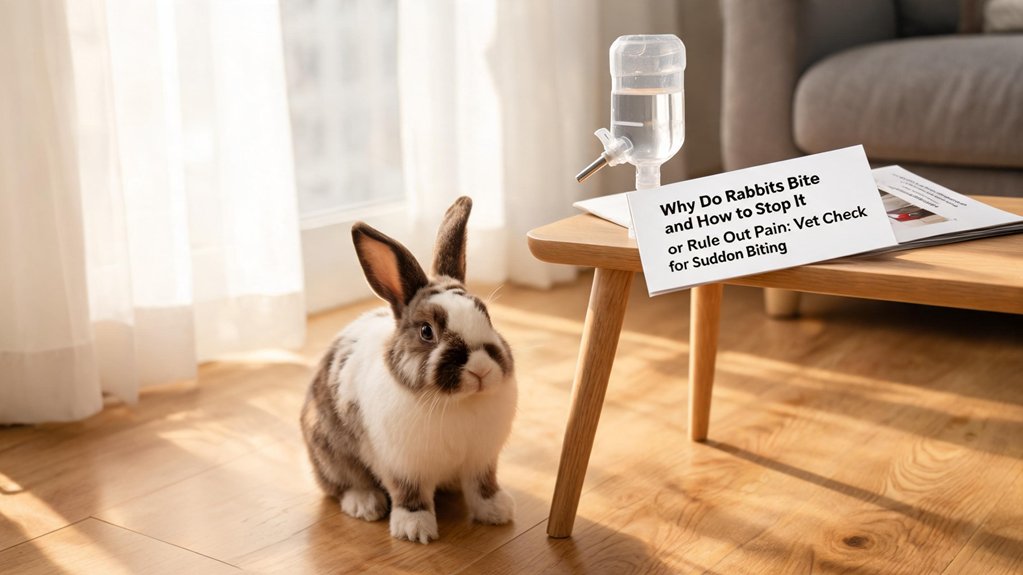
Sudden biting in a normally gentle rabbit, especially when accompanied by signs of discomfort, often indicates underlying pain or health issues rather than “bad behavior.” The most crucial step is to schedule a prompt veterinary check with a rabbit-savvy veterinarian who specializes in small mammal health.
A comprehensive exam will help identify sore spots, abnormal posture, gait issues, breathing difficulties, or changes in droppings that may signal pain or illness.
If your rabbit bites when you approach, lunges, or delivers hard bites during routine care, don’t delay seeking professional help.
Your veterinarian will assess teeth grinding, monitor for hunched posture, and evaluate appetite, grooming behavior, hiding tendencies, and activity levels.
Pay close attention if biting occurs when touching the back, hips, belly, or jaw, or if your rabbit licks or scratches a specific spot—these behaviors may indicate localized pain or injury.
Monitoring for a decrease in appetite over 12 hours or the absence of droppings for 12 hours should trigger immediate urgent care.
Addressing pain promptly not only alleviates your rabbit’s discomfort but also prevents more serious health complications.
Ensuring a swift veterinary diagnosis and targeted treatment is the best way to restore your rabbit’s health, comfort, and well-being.

Helps Clean & Reduce Risk of Infection – Formulated to gently cleanse cuts, abrasions, and areas of irritation while supporting a healthy environment for recovery.

VETERINARY ANTISEPTIC WOUND SPRAY WITH INSECTICIDE: F10 Antiseptic Wound Spray with Insecticide is a veterinary topical wound care spray formulated for reptiles, birds, small animals, and exotic pets. Helps protect cuts, wounds, abrasions, and minor skin irritations during routine wound care.

HEALING AID & SKIN REPAIR: Use a few times daily to flush dog cuts, abrasions, sores, and skin irritations
Hormones and Rabbit Biting: Puberty Changes
And if your rabbit is suddenly nipping or biting around 3 to 8 months old, puberty hormones are often the primary cause.
Unneutered rabbits typically experience stronger sex-hormone surges, which can lead to increased behaviors such as lunging, chasing, and territorial biting, especially near their cages or favorite resting spots.
To effectively manage and prevent hormone-driven biting and aggression, consider scheduling a spay or neuter procedure with an experienced exotics veterinarian around the time of sexual maturity.
Neutering significantly reduces the influence of hormones that cause aggressive behavior, leading to a calmer and more affectionate rabbit.
Consulting with a specialized vet will help determine the optimal timing for surgery, ensuring your rabbit’s behavioral stability and overall wellbeing.

ODOR CONTROL for long-lasting freshness, Kaytee Clean & Cozy can be used with any type of habitat for a fresh animal home

NATURALLY SCENTED with real, pet-safe lavender buds

ODOR CONTROL for long-lasting freshness. Kaytee Clean & Cozy can be used with any type of habitat for a fresh animal home
Puberty Triggers Hormonal Aggression
Puberty is a common trigger for increased biting behavior in rabbits due to a surge of reproductive hormones that transform typically calm “teenagers” into guarded and snippy adolescents. During this critical developmental stage, which occurs roughly between 3 and 6 months of age, you may notice sudden lunging, nipping, and biting as hormonal levels peak.
The rising levels of testosterone in male rabbits (bucks) and estrogen in female rabbits (does) drive behaviors related to territoriality and defense mechanisms. Your rabbit might fiercely guard its territory, food sources, or favorite spots, especially around the cage or enclosed space.
Additionally, they may engage in spray marking, scattering droppings, or chin-rubbing as ways to establish dominance or claim ownership.
Understanding that these behaviors are temporary is essential. To mitigate aggressive tendencies during this hormone-driven phase, implement quick and effective management strategies.
Provide ample space to reduce territorial stress, carefully work around protected areas, and observe courtship behaviors before attempting handling or interaction.
Using these approaches will promote a safer environment for both you and your rabbit while supporting their natural developmental process.
Unneutered Rabbits Bite More
If your unspayed or unneutered rabbit exhibits frequent biting behavior, hormonal fluctuations during their adolescent months—typically between 4 and 6 months—are often the primary cause.
During this critical period, surges in testosterone or estrogen intensify territorial instincts, leading to increased aggression such as lunging, grunting, boxing, scratching, kicking, and biting.
These hormonal-driven behaviors can quickly escalate from curious nips to painful bites that break skin, making management essential.
This aggressive phase worsens when you disturb your rabbit’s enclosure, litter box, or food bowls, as they perceive these actions as threats or invasions of their space.
To effectively address these issues, implement calm, consistent routines and provide your rabbit with ample space to reduce feelings of crowding and stress.
When bites occur, respond calmly by giving your rabbit space, avoiding known triggers, and maintaining steady environments to promote safer, happier interactions.
Investing in spaying or neutering services is highly recommended to significantly reduce hormonal behaviors, offer your rabbit a more relaxed temperament, and create a more harmonious pet-owner relationship.
These procedures not only diminish aggressive biting but also contribute to overall health and well-being, making them a valuable solution for responsible rabbit care and behavior management.
Spaying Or Neutering Reduces Biting
When your rabbit reaches the teen months, hormones can transform their behavior from “sweet and curious” to “why are you in my space?” During this period, rabbits typically enter puberty between 3 to 6 months of age. Their bodies begin producing high levels of sex hormones such as estrogen and testosterone, which can trigger sudden and intense behavioral changes, including aggression and territorial tendencies.
Spaying or neutering offers an effective solution by removing or disabling the ovaries or testes, leading to a significant decrease in hormone levels. This procedure is highly recommended for rabbit owners who want to reduce aggressive behaviors, such as lunging, mounting, urine spraying, and biting, particularly around cages and nesting areas.
Many pet owners notice a marked behavioral improvement within 4 to 6 weeks following surgery. Although mild seasonal behaviors may persist, the frequency and severity of hormone-driven biting usually diminish considerably, creating a safer and more harmonious environment for both your rabbit and your household.
Read Rabbit Body Language Before a Bite
Before your rabbit bites, they typically provide a clear warning using their body language. Pay close attention to their ears first; tight, flattened ears, coupled with loud teeth grinding, grunts, or growls, often indicate fear or anger, signaling that a defensive bite may follow. Recognizing these early signs can help you intervene before the situation escalates, ensuring both your safety and your rabbit’s comfort.
A raised, erect tail along with laid-back ears generally serve as a warning of potential lunging or nipping behavior. Additionally, dilated pupils, ears pointed straight up, and tense facial muscles signify heightened arousal and possible aggression. By understanding and interpreting these subtle cues, you can proactively prevent bites and foster a more trusting, stress-free environment for your pet.
Next, evaluate your rabbit’s posture. A tense, upright body, crouched stance, boxing pose, or rigid freezing motion are all signs that your rabbit is feeling threatened or agitated, which often precedes biting.
Also, listen carefully: thumping, stomping, hissing, or grinding noises are vocal cues that demand immediate attention and space. Recognizing these signals ensures you respond appropriately, maintain safety, and promote positive interactions with your rabbit.

This interactive funny pet foraging mat is designed with a unique pattern that imitates the shape of fruits and vegetables, which can attract the attention of small animals. In addition, there are flowers, fruits, sweet peppers and other shapes on the top of the foraging mat, which can hide rabbit food, while the unique carrot shape can store hay, and at the same time, it can prevent pets from dragging too much hay and reduce hay waste.

Deep Design for Less Cleaning: Our Bunny Litter Box features a specially deep design that provides ample space for rabbit litter and rabbit droppings, reducing the frequency of cleaning and saving you time on maintenance
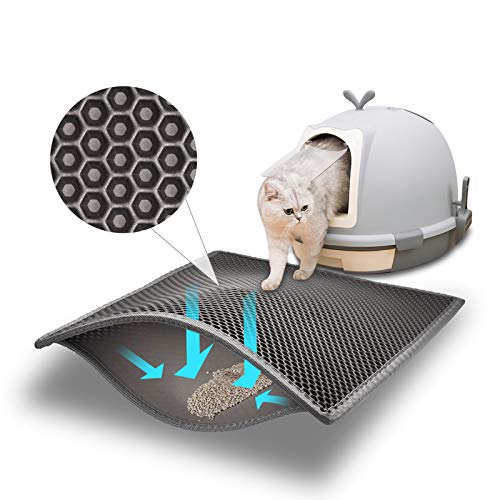
Anti Tracking EZ Open Edge Litter Mat: Double-layer honeycomb design helps you gather the litter. You just pick up the mat and all the litter falls through and then dump it back in the litter box make it recycling. No more getting litter stuck to my feet on a daily basis! Large holes is large enough to catch and trap litter. Suitable for lots of type of litter, and kitty litter boxes,hooded,self cleaning litter box.
Don’t Loom Over Your Rabbit’s Safe Place

And when your rabbit retreats to a hide, tunnel, or corner within its secure environment, avoid looming over it like a predator. Instead, approach calmly and slowly, getting down to its level or crouching just outside its safe space to create a non-threatening presence. By moving your hand gently and steadily, you reduce the risk of triggering a panic-bite, which is crucial for building trust and ensuring your rabbit feels safe.
Patience is key; give your rabbit a moment to decide whether to come out on its own accord. If it doesn’t, wait patiently and try again later instead of forcing the issue. Employing this gentle, solution-oriented approach fosters a positive interaction, encourages your rabbit to explore its environment comfortably, and ultimately promotes a stronger bond.
Using these techniques consistently will lead to a happier, more relaxed rabbit, making handling and care easier and more enjoyable for both of you.

🌴【100% Natural Materials】All rabbit chew toy balls are made of natural materials and hand woven. The rolling balls use natural seaweed, rattan, corn husks, Timothy grass, etc, which are safe for your pet and can be used with confidence.

【40-50 Pcs Chew Toys】40-50 pcs rabbit chew toys set includes 8 sweet bamboo, 5 timothy grass sticks, 5 flower timothy grass sticks, 3 flower timothy grass cookies, and over 20 apple sticks.

31 Pcs Various Chew Toys: The set includes 2 Seagrass-Wrapped Sweet Bamboo Sticks, 2 Seagrass-Wrapped Apple Sticks, 1 Paper Raffia, 2 Apple Wood Blocks, 2 Sweet Bamboo Sticks, 2 Apple Sticks, 4 Corn Husks, 2 Loofah Slices, 2 Papaya Wood Sticks, 2 Seagrass Twists, 1 Woven Seagrass Carrot, 1 Corn Cob, 1 Hyacinth Ball, 1 Seaweed Ball, 1 Pine Cone, and 1 Grass Bed.
Respect Safe-Space Boundaries
Respect Your Rabbit’s Safe-Space Boundaries, because it isn’t “just a hiding spot”—it’s a vital retreat that helps your rabbit feel secure, relaxed, and exhibit natural behaviors essential for their well-being. Ensuring that your pet always has unblocked access to their hideout allows them to retreat comfortably whenever they need a break from interaction or feel anxious.
Never block the entrance or trap your rabbit inside, as this can cause unnecessary stress and damage trust.
In their designated area, your rabbit may react defensively—such as biting—to protect their preferred eating, sleeping, or toileting spots. To foster a safe environment, clean or refill food and water bowls from outside the hide, giving your rabbit space to feel secure.
Always let them retreat first before approaching or handling, and prioritize gentle, gradual approaches to handle your rabbit to build steady trust.
Provide at least one appropriately sized hide for each rabbit, with multiple hides offering options, and ensure each hide has two exits for quick escape and added security.
Implementing these considerations into your pet care routine enhances their sense of safety, encourages natural behaviors, and fosters a trusting relationship, resulting in a happier, healthier rabbit that thrives in a calm and secure environment.
Avoid Looming From Above
When you move over your rabbit’s hidden retreat or spacious pen, even just to toss in a nutritious treat, you risk unintentionally triggering “predator looming,” which is that frightening sensation that an aerial predator is about to swoop in. Rabbits, as prey animals with highly sensitive instincts, perceive movement from above as a threat, reminiscent of a hunt or attack.
If you hover over the door, top of the carrier, or litter area, your rabbit may feel trapped and become distressed. This can cause them to freeze in place, then unexpectedly lunge or bite in self-defense.
Additionally, rabbits have bling spots; hands appearing from directly above can startle them rapidly and cause unnecessary stress.
To ensure a safe, calm environment that encourages trust and positive interaction, always crouch at your rabbit’s eye level and keep your hands visible.
Enter the enclosure from the side instead of from above to prevent triggering their predatory instincts.
Offer treats slowly and low to the ground, making your rabbit feel secure, appreciated, and more receptive to bonding or handling.
Implementing these gentle, predator-aware techniques enhances your rabbit’s comfort, reduces stress, and fosters a healthier, happier relationship.
Use Calm Slow Approach
Use a calm, slow approach around your rabbit’s safe spot, and you’ll often see biting decrease rapidly. Rabbits are highly sensitive to sudden movements, loud noises, and looming, intrusive hands, which can trigger fear and defensiveness. To foster a safe environment, crouch or sit at ground level, maintaining a low profile, and move your arm slowly and deliberately as if offering patience and trust, rather than grabbing or startling.
Keep your interactions short and respectful, limiting sessions to 1–2 minutes to prevent overwhelming your rabbit. Pair your presence with soothing sounds, such as quiet talking or gentle back strokes in areas where your rabbit shows tolerance. This creates positive associations and reassures your pet, making future handling easier.
Always offer your rabbit the choice to approach you—respect their boundaries and let them come to you on their own terms.
Speak softly, using a gentle, reassuring tone, and ensure the environment remains quiet and free from loud noises or sudden disruptions. This calm, patient approach reduces fear and helps establish a trusting relationship, ultimately making handling safer and more enjoyable for both you and your rabbit.
Stop Surprise Grabs and Chase-Handling
Why does your rabbit bite immediately after a surprise grab or when you chase them? Rabbits perceive sudden restraint as a predator attack, triggering a fear response. When you corner or snatch your rabbit unexpectedly, you undermine their trust, which can cause them to freeze, fight, or box defensively. To build a safer, more trusting relationship, avoid surprise grabs and unpredictable movements.
Instead, approach your rabbit calmly from the floor at their eye level, moving slowly and keeping noise to a minimum.
When it’s necessary to lift your rabbit, ensure you support their chest and hindquarters gently, hold them close without squeezing, and always monitor their body language.
If your rabbit begins to thrash or vocalize, end the session immediately to prevent further stress.
Should your rabbit panic or show signs of distress, give them ample space, remain calm, and try again later once they’re relaxed.
Implementing this gentle, consistent approach not only reduces bites and defensive behaviors but also fosters a trusting bond.

SAFE: Made in USA with effective and natural ingredients for rapid healing on all animal species

ANTISEPTIC SKIN CARE: Vet-recommended dog ointment helps heal cuts, scrapes, redness and minor skin irritations.

HEALING AID & SKIN REPAIR: Use a few times daily to flush dog cuts, abrasions, sores, and skin irritations
Respect Cage Boundaries: Give an Exit Route
Respect Cage Boundaries by Providing a Clear Exit Route
Cage time is your rabbit’s safe haven, making it essential to respect the boundary as you’d a home base. When you need to interact with your rabbit inside the cage, avoid invading their space abruptly, as this can make them feel trapped. Creating a calm environment by slowly opening the cage door allows your rabbit to decide when to hop out, reducing stress and preventing defensive behaviors like lunging or biting.
Ensure that you don’t block the exit while reaching in, as this takes away their escape option and can increase feelings of anxiety.
For optimal comfort and safety, place food and water bowls near the cage entrance, so your rabbit can access essentials easily without feeling cornered. Refill these items only when your rabbit is outside, maintaining a stress-free environment. When guiding your rabbit out of the cage, use calm, open body language and spacious, distraction-free areas—this helps promote a relaxed transition.
Additionally, position the cage in a quiet locale away from the hands of small children, ensuring your rabbit’s space remains a secure, stress-free zone conducive to positive interactions. Prioritizing these solutions not only respects your rabbit’s boundaries but also promotes trust and enhances their overall well-being.

Small Pet Bedding: Our beautiful blue natural paper fiber bedding makes the softest, driest most comfortable home for small pets

Small Pet Bedding: Our natural paper fiber bedding makes the softest, driest most comfortable home for small pets

Small Pet Bedding: Our natural paper fiber bedding makes the softest, driest most comfortable home for small pets
Space, Hides, and Enrichment to Cut Biting
You can quickly reduce biting behaviors in your rabbit by providing ample space that encourages natural movement and exploration. Ensure your rabbit has a secure enclosure that measures at least 3 to 4 times their stretched body length, combined with daily supervised free-range time for hopping, running, and mental stimulation.
Incorporate safe hiding spots, such as sturdy cardboard boxes and spacious tunnels, thoughtfully positioned to allow your rabbit to retreat and avoid feeling cornered, especially during busy or stressful activities like cleaning or handling.
In addition, keep your rabbit engaged and reduce frustration by offering unlimited access to high-quality hay and a variety of safe, durable chew toys. These enrichment tools serve as healthy outlets for chewing instinct, preventing boredom-related nipping and destructive behaviors.
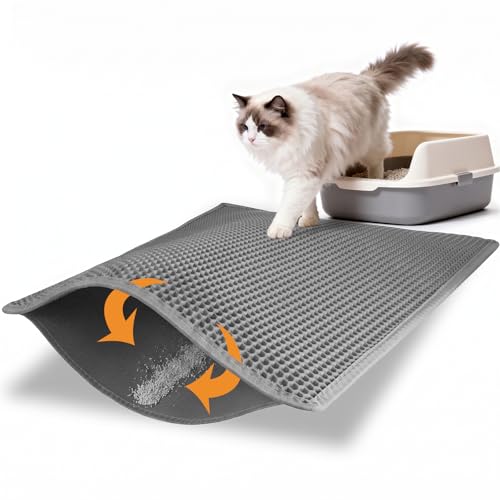
Anti Tracking EZ Open Edge Litter Mat: Double-layer honeycomb design helps you gather the litter. You just pick up the mat and all the litter falls through and then dump it back in the litter box make it recycling. No more getting litter stuck to my feet on a daily basis! Large holes is large enough to catch and trap litter. Suitable for lots of type of litter, and kitty litter boxes,hooded,self cleaning litter box.

LITTER CONTAINMENT: Pet supplies cat litter mat features litter-trapping grooves in a crisscross diamond pattern with a deep border along the edge to collect & contain tracked litter

THE ORIGINAL LITTER TRAPPER: the cat mat is constructed from durable long lasting materials; topside features thick mesh coils that effectively grab litter; deep grooves on the topside also collect litter, keeping it contained to the mat and off of your floors
Expand Territory With Hides
Even though rabbits may bite for various reasons, the key to reducing aggressive behavior and promoting harmony is providing ample space and well-designed escape routes. Expand your rabbit enclosure to a minimum size of 3 meters by 2 meters by 1 meter for two rabbits, and increase the size accordingly for larger groups. Incorporate partitions, platforms, and shelters to create distinct zones for eating, resting, and roaming, ensuring each rabbit has a secure and comfortable environment. Placing a separate feeding station in the eating zone lets each rabbit enjoy rabbit food pellets without competing with its companions, and comparing commercial pellet options helps you choose a product that fits a healthy diet.
To further enhance safety and reduce territorial disputes, place at least one hide per rabbit, each equipped with two doorways to prevent trapping or cornering. Elevated shelves allow all rabbits to observe their surroundings, fostering a sense of security and reducing stress-induced biting. When rabbits feel safe within their environment, aggressive behaviors tend to diminish quickly, and biting incidents significantly decrease.
Regularly review and adjust the enclosure’s spacing and configuration, especially around the three-month mark when territorial behaviors can intensify, to maintain a peaceful and healthy group dynamic.
Add Enrichment For Calm
After you’ve designated ample space, secure hides, and well-planned escape routes to ensure your rabbits feel safe and stress-free, it’s essential to incorporate enriching elements that promote mental calmness and natural behaviors. Introducing thoughtfully designed platforms, tunnels, and safe chew toys like untreated wooden blocks and nibble sticks can significantly reduce boredom and destructive tendencies, including biting.
Remember to rotate these toys every other week to maintain your rabbits’ curiosity and engagement levels, preventing boredom from settling in.
To further enhance your rabbit’s environment, scatter hay liberally across their enclosure and hide fresh vegetables in puzzle boxes, encouraging natural foraging instincts and mental stimulation. Providing foraging mats not only keeps them busy but also mimics their natural browsing behaviors in the wild.
If possible, allow your rabbits to hop freely in a supervised outdoor run at dawn and dusk for at least 15 minutes weekly, offering additional opportunities for exercise, exploration, and overall well-being.
These targeted enrichment strategies deliver a comprehensive, solution-driven approach to maintaining calm, healthy, and happy rabbits while reinforcing your commitment to their long-term health and happiness.
Calm Bonding Steps That Prevent Rabbit Bites
Before you attempt any physical contact with your rabbit, initiate calm bonding techniques designed to reduce fear and prevent bites, since most biting incidents occur when your rabbit feels unsafe or startled.
Move slowly and speak softly, avoiding sudden arm movements or abrupt gestures that can trigger defensive reactions.
Begin at ground level, maintaining a safe distance while sitting still for several minutes, allowing your rabbit to approach voluntarily and build trust at their own pace.
Offer fresh, leafy greens on a flat palm positioned at ground height to encourage positive associations with your hand.
If your rabbit chooses to walk away, respect their decision and don’t chase; patience is essential for fostering trust.
As your bond deepens, conduct gentle, 1- to 2-minute sessions while they eat, gradually extending petting time as comfort increases.
Use a long-handled grooming brush to safely redirect nibbling behaviors without causing frustration.
When lifting your rabbit, ensure a secure hold by supporting their chest and hindquarters thoroughly, which provides a sense of security and prevents sudden squirming or biting during handling.
Implementing these calm, trust-building steps can significantly reduce biting behavior, making daily interactions safer and more enjoyable for both you and your rabbit.
Using these proven, solution-focused techniques ensures a smoother bonding process, resulting in a well-socialized, confident pet that feels secure and happy in their environment.
Teach “Leave It” and Reward Safe Behavior
Teach your rabbit the “Leave It” cue, then immediately reward any calm, non-biting, and safe behavior—within 1 to 2 seconds—so your rabbit associates pulling away safely with positive reinforcement.
Use a clear marker sound, such as a click, or a brief, consistent word right at the moment your rabbit disengages from the tempting object or hand.
Follow this cue with a high-value treat, like a small piece of fresh fruit or a tender dandelion leaf, to reinforce desirable responses and encourage reliable obedience.
When your rabbit successfully ignores a hand or enticing item, maintain a peaceful environment by employing gentle physical distance, repeating training sessions in a secure and familiar area, and ending each session after quick, positive wins.
This structured approach ensures your rabbit learns to prioritize calm, safe interactions, making your training sessions more effective and fostering a trusting, well-behaved companion.
Implementing these proven techniques with patience and consistency helps build a reliable “Leave It” response, making your rabbit’s environment safer and more enjoyable for both of you.
Teach “Leave It” Cue
A solid “Leave It” cue provides your rabbit with a clear, consistent command, enhancing both safety and training effectiveness. This command instructs your rabbit to “Unfocus from the object or hand and look away,” creating a safer behavior alternative to reaching or nipping.
Establishing this cue is essential for owners seeking reliable control over their rabbit’s interactions with potentially hazardous items or undesirable behaviors.
Begin training in a quiet, distraction-free environment using high-value treats such as fresh herb sprigs. Incorporate a precise marker, like a clicker, to reinforce the behavior, and immediately say “Leave It” just before your rabbit disengages.
Reward the rabbit with a treat within 2–3 seconds of correct response to strengthen learning. Start training at a distance to prevent overwhelming your rabbit, then gradually decrease the distance as training progresses.
Conduct brief, focused sessions lasting 5 to 10 minutes for optimal retention and engagement. If your rabbit misses the cue, pause without verbal correction, then gently resume training from the previous step.
Consistent, solution-focused training using this method develops a reliable “Leave It” response, increasing safety and control for both owner and pet while supporting your rabbit’s overall behavioral well-being.
Reward Calm, Safe Approach
Rewarding a calm, safe approach is essential for effectively training your rabbit to associate human interactions with positive outcomes. By reinforcing gentle behavior, you help your rabbit learn that humans aren’t scary and that relaxed proximity results in desirable rewards, such as tasty treats or soothing petting.
This strategy not only fosters trust but also promotes a harmonious, stress-free relationship with your pet.
To maximize training success, pair this calm approach with the “Leave It” cue you’ve been practicing. This provides a clear, positive alternative whenever your rabbit encounters a hand or object that might seem tempting or intimidating.
Approach your rabbit at their eye level or from a comfortable floor position, remaining still and encouraging a quiet environment to minimize overwhelming stimuli. When your rabbit gently moves toward you, immediately reward their calm behavior with a small treat or gentle petting, reinforcing the connection between relaxed proximity and positive reinforcement.
Marking calm closeness—such as relaxing ears and a non-lunging posture—further cements this trust-building behavior.
In shared spaces, especially when a cat is nearby, consistently reinforce your rabbit’s calm behavior to promote a secure environment for all animals involved.
If your rabbit begins to tense or exhibit signs of stress, pause the interaction, back away to a safe distance, and then reward once they relax again. This method ensures your rabbit learns to approach humans and other animals confidently, leading to smoother, safer interactions while strengthening your bond.
Reinforce Ignoring Temptation
Now that you’ve successfully trained your rabbit to remain calm and focused when near you, it’s essential to reinforce their ability to ignore temptation. This skill is critical in preventing nipping behaviors—those impulsive “nip before I think” reactions that can escalate if left unaddressed. Implementing clicker training, a proven method that uses a distinct sound to mark desired behaviors, paired with high-value, rabbit-safe treats immediately after each good decision, will significantly enhance your training outcomes.
Begin by establishing a consistent cue, such as “leave it,” before you present tempting items to your rabbit. Use this cue each time you introduce a potential distraction to reinforce the command. Start training sessions at a safe distance with low arousal levels, making it easier for your rabbit to focus.
When your rabbit pauses, hesitates, or looks away from the distraction, immediately click the clicker to mark the positive behavior, and reward away from the temptation with a preferred treat. This approach solidifies the association between the cue, the behavior, and the reward.
If your rabbit doesn’t respond to the cue, avoid clicking to prevent reinforcing the wrong behavior. Repeat the exercise consistently, gradually increasing proximity and difficulty as your rabbit improves.
When you notice nipping behavior beginning to surface, redirect your rabbit’s attention to an approved, engaging toy to channel their energy appropriately. Keep training sessions brief but frequent to maintain your rabbit’s interest and enthusiasm.
This solution-oriented method not only helps modify negative habits but also fosters a trusting, well-behaved rabbit that responds reliably to cues during everyday interactions.
Treat Protocols: Safer Reinforcement and Distance
If you want to stop biting, start using treats effectively by reinforcing safe and desirable behaviors rather than unintentionally encouraging biting through improper feeding. Choose small, nutrient-rich portions of leafy greens or rabbit-safe herbs, providing about 10 to 15 bite-sized pieces per training session. Reserve high-value treats like fruit enthusiasts enjoy for rare, special rewards to motivate your rabbit further. For brand-specific options, Oxbow rabbit treats are designed as safe occasional rewards, so they should be given sparingly alongside your rabbit’s regular diet.
Implement a precise training system by utilizing a clicker or a clear “mark” sound to signal correct behavior, immediately followed by giving the treat to reinforce cause and effect.
Keep training sessions brief—around five minutes—and schedule them before meal times to build positive associations.
Keep training sessions brief—about five minutes—and offer treats before meals to build strong positive associations.
When offering treats, place them in a dish or hide them within the enclosure to encourage natural exploration and reduce finger-proximity risks.
Focus on rewarding calm behavior, such as backing-up and maintaining appropriate distance, rather than lunging or aggressive attempts.
This method develops safer, calmer interactions and promotes long-term positive behavior with your rabbit, making training effective, safe, and enjoyable.
Spay/Neuter: When It Helps Rabbit Biting Most
Once your rabbit reaches sexual maturity, spay or neuter surgery can be one of the most effective solutions for reducing hormone-driven biting behaviors. Scheduling the procedure shortly before or soon after this developmental milestone—typically between 3.5 to 6 months of age depending on the breed—maximizes behavioral benefits.
This timing prevents many territorial and sexually motivated actions such as lunging and nipping, helping to establish a more peaceful and manageable rabbit temperament from an early stage.
Post-surgery, hormone levels gradually decline, and noticeable behavioral improvements often appear within two to six weeks. However, adolescent instincts and habits may persist, so maintaining a calm, consistent routine is essential for the best results.
For comprehensive care and tailored advice, consult a rabbit-savvy veterinarian to ensure a smooth and successful spay or neuter experience that promotes a happier, healthier rabbit and minimizes unwanted biting.
What to Do in a Bite Warning Moment
When you observe warning signs of aggression in your rabbit—such as flattened ears, a crouched “ready” posture, grunting sounds, thumping, tail lifting, boxing motions, or a sudden freezing response—immediately stop your interaction and give your rabbit ample space. This pause allows the rabbit to feel safe, reducing the risk of bites or injuries. Step back carefully, open an escape route, and avoid reaching in during activities like cleaning or nest-box checks, which can trigger defensive behavior.
Keep children and other pets at a safe distance until your rabbit has relaxed and feels secure again. When approaching, move at ground level, go slowly, and steer clear of rapid arm movements or swinging gestures, which can be perceived as threatening. If your rabbit does nip or bite, respond with a short, sharp “eeeek,” followed by a calm and firm “No bite” to reinforce boundaries effectively.
After such incidents, offering a healthy treat can help reinforce positive behavior.
Additionally, monitor for sudden spikes in aggression or decreased eating, as these may indicate underlying health issues needing prompt veterinary attention. By recognizing warning signs early and practicing solution-focused handling techniques, you can foster a safer, more trusting environment for your pet.
Proper management not only enhances your rabbit’s well-being but also promotes a positive, stress-free bonding experience.
Fix Persistent Rabbit Biting After Big Changes
After a move, introducing a new pet, performing home renovations, or welcoming a new baby into the household, many rabbits begin biting as a response to feeling unsafe or stressed. To effectively resolve this issue, start by identifying the specific trigger—notice if biting occurs immediately after a particular change or disruption.
Recognizing the cause allows for targeted intervention and accelerates the healing process.
Rebuild a stable and predictable routine for your rabbit by maintaining consistent feeding times, daily handling, and guaranteed free-roam sessions. Establishing a dependable schedule provides the sense of security essential for reducing stress-related biting behaviors.
Evaluate and optimize your rabbit’s living environment by ensuring the enclosure is at least four times the rabbit’s body length, with a minimum of 12 square feet for medium-sized rabbits. Incorporate multiple hiding spots and additional litter boxes to enhance comfort and reduce territorial or anxiety-driven biting.
Allow at least 3–4 hours of supervised free-roam time daily, promoting mental stimulation and physical activity.
Furthermore, monitor your rabbit’s space and stress levels closely. Sudden or escalating biting behaviors could indicate underlying health issues such as pain, illness, or hormonal fluctuations.
Consulting with a veterinarian is highly recommended if biting worsens or appears abruptly to rule out medical causes. By implementing these targeted environmental modifications, routine stability, and health assessments, you can effectively minimize biting behaviors, ensuring your rabbit feels secure, comfortable, and well-supported in its environment.
Common Rabbit Biting Mistakes to Stop Today
Let’s tackle the biggest rabbit-biting mistakes right now because small, strategic changes can prevent many common mishaps quickly. First, recognize early warning signals such as low growls, huffs, flattened ears, or a tail held up. Addressing these cues promptly can stop a potential bite from escalating into a more serious incident. By paying close attention to your rabbit’s body language, you ensure safer handling and foster a trusting relationship.
Second, handle your rabbit gently and respectfully. Avoid practices like cornering the animal, blocking escape routes, or grabbing near the face, as these actions increase stress and the likelihood of biting. Don’t force restraint on your rabbit’s back and never use your body to barrier its movement, which can cause discomfort or fear. Using calm, confident movements ensures your pet feels secure and reduces aggressive responses.
Handle gently and calmly; never corner, block escape, or grab near the face—forcing restraint increases stress and biting risk.
Third, prioritize respecting your rabbit’s space and resources. Never reach into cages or food areas without a clear plan or understanding of your rabbit’s comfort zone. When a nip occurs, calmly move away to avoid provoking further biting. It’s essential to recognize when your pet signals discomfort so you can adjust your approach accordingly.
Most importantly, avoid punishment, as it raises your rabbit’s stress levels and can worsen biting behavior. Instead, focus on positive reinforcement techniques and creating an environment where your rabbit feels safe and secure. Implementing these solutions fosters better communication, promotes gentle interactions, and helps you build a strong, trusting bond with your pet.
When to Call the Vet: and What Next?
If your rabbit’s biting suddenly begins or is linked to signs of pain, it’s crucial to avoid guessing or treating at home. Contact your experienced, rabbit-savvy veterinarian promptly.
Schedule an appointment within 24 hours for any new aggressive behavior, increased irritability, or noticeable changes in your rabbit’s hiding or exploring habits.
A sudden shift in behavior or biting during specific touches may indicate localized pain in areas such as the teeth, belly, limbs, or spine, requiring professional diagnosis.
Watch for red flags like hard bites accompanied by tense posture, a raised tail, thumping, or rapid breathing, and seek emergency veterinary care immediately.
If your rabbit refuses to eat for 6 to 12 hours combined with biting episodes, or if no pellets are consumed for 12 hours along with belly guarding, these are urgent signs warranting immediate veterinary evaluation.
Ensure your vet takes a complete history, performs a thorough physical exam, including dental, gastrointestinal, and musculoskeletal assessments, to identify underlying health issues.
Acting swiftly with professional guidance ensures your rabbit receives the appropriate treatment, alleviates pain, and promotes a quick recovery, protecting their health and well-being.
Frequently Asked Questions
How Can I Stop My Rabbit From Biting During Petting?
Freeze, your rabbit bites to communicate “no” quickly and effectively. When you notice tense body language, such as stiffening or licking lips, pause immediately to prevent escalation. This technique helps reinforce boundaries and promotes calm behavior during interactions.
Pet from floor level and position yourself side-on to your rabbit, avoids pointing fingers near its mouth, as this can trigger biting. Focus on gentle, consistent handling—especially over the forehead and shoulders—to build trust. Use high-value treats during calm petting sessions to reward positive behavior, and stop the contact immediately if your rabbit shows signs of tension or agitation. Implementing these strategies will foster a safer, more enjoyable bonding experience and help reduce biting over time.
What Should I Do Right Away if My Rabbit Bites Me?
Right away, apply gentle pressure with a clean, sterile cloth or gauze to effectively stop the bleeding and prevent further injury. Immediately rinse the rabbit bite under lukewarm running water for 3 to 5 minutes, using mild soap to thoroughly cleanse the wound and minimize infection risk. Avoid scrubbing the area to prevent tissue damage and ensure proper healing.
After cleaning, carefully cover the wound with a sterile bandage or dressing to protect it from dirt and bacteria. Monitor the site closely for signs of infection, such as increased redness, swelling, warmth, or pus. Seek urgent medical care if the bite is deep, bleeding persists, or you notice any signs of infection. Prompt professional treatment is essential to minimize complications and ensure proper healing.
Why Does My Rabbit Bite Only When I Reach Into the Litter Box?
Your rabbit bites only when you reach into the litter box because it perceives that core “home” spot as a territorial zone. This behavior is often a defensive response to perceived threats, as the rabbit instinctively guards its private, comfortable space from intruders.
To address this issue, consider approaching the litter box more gently and gradually to reduce your rabbit’s sense of threat. Introducing positive reinforcement, such as offering treats when your hand reaches into the area calmly, can help your rabbit associate your presence with safety.
Implementing these behavior modification techniques, along with ensuring your rabbit’s environment is enriched and stress-free, can significantly decrease territorial biting. With patience and consistent positive interactions, you can foster trust and create a safe, comfortable space for your rabbit, which in turn minimizes the tendency to bite when accessing the litter box.
Will Neutering or Spaying Stop Territorial or Hormonal Biting?
Yes, spaying or neutering your rabbit often significantly reduces territorial and hormone-driven biting behaviors. This procedure helps address the root cause by decreasing aggressive hormone levels, leading to a calmer and more manageable pet. However, it is important to note that the behavioral improvements are not immediate; you can typically expect to see gradual progress over a period of several weeks to months.
If your rabbit’s biting persists even after spaying or neutering, it’s crucial to rule out other underlying factors such as fear, pain, or stress. Consulting a rabbit-savvy veterinarian can help identify and address these issues effectively. Implementing professional advice and behavioral strategies ensures a comprehensive approach to fostering a peaceful, well-adjusted rabbit.
What if My Rabbit Suddenly Starts Biting—When Should I Call the Vet?
If your pet rabbit suddenly begins biting, it is crucial to contact your experienced rabbit veterinarian on the same day. Prompt professional evaluation can help identify underlying health issues or behavioral triggers that require immediate attention.
Additionally, consider it an urgent situation if your rabbit stops eating for more than 12 hours, produces very few droppings, exhibits labored breathing, collapses, or displays visible wounds, swelling, or signs of pain. Acting swiftly can prevent serious health complications, ensuring your rabbit remains healthy and comfortable.
For reliable, expert assistance and to safeguard your rabbit’s well-being, schedule a prompt veterinary consultation at your earliest convenience. Early intervention is essential for maintaining your rabbit’s health and preventing potential emergencies.