Want a quick Tan Rabbit Breed Guide? Aim for a small, athletic 4 to 6 lb rabbit with a fully arched, “running” body, where daylight shows under the belly.
Look for a two-tone color: a dark top with bright orange-red tan on the chin, chest, belly, eye rings, inner ears, flanks, and tail underside. Plan feeding hay first, ideally 50 to 75 percent Timothy. Give 45 minutes of daily play and watch for dental issues, flystrike, and gastrointestinal stasis.
Swift Summary
- Learn Tan rabbit basics: small fancy breed, 4–6 lb adult weight, and 8–10+ year lifespan with proper care.
- Identify the two-tone pattern: dark upper “saddle,” bright orange-red tan on chin, chest, belly, flanks, and around eye rings.
- Use conformation guidance: fully arched “running” body with an unbroken topline from nape to tail and daylight under abdomen.
- Track growth milestones: rapid development to ~8 weeks, slowed growth by 5–6 months, and plan breeding after full maturity.
- Explore recognized color varieties (Black, Blue, Chocolate, Lilac Tan) and how tone (warm vs cool vs pale) differs.
Quick Tan Rabbit Breed Facts at a Glance
If you’re searching for a visually appealing and lively small to medium-sized rabbit, the Tan breed is an excellent choice. As a popular fancy breed among rabbit enthusiasts, your tan rabbit typically weighs between 4 and 6 pounds, with many breeders targeting a comfortable range of 5 to 5.5 pounds for optimal health and appearance. With proper care, your tan rabbit can live an impressive 8 to 10 or more years, making it a long-term, rewarding companion. The Tan breed features a short, sleek, and glossy coat that highlights its striking coloration. Look for a clear dark top, complemented by a rich tan or red-orange underside for a stunning visual contrast. Distinctive markings include tan on the chin, chest, belly, flanks, inside ears, and around the eye circles, emphasizing its unique pattern. Its energetic, playful, and lively nature requires attentive handling—be prepared to provide a safe, engaging environment. To ensure your tan rabbit thrives, dedicate daily exercise time and create an ample, stimulating space. This not only supports their physical health but also encourages their natural curiosity and social behavior. Investing in quality habitat accessories, enriched living spaces, and regular interaction will help your tan rabbit flourish as a vibrant, affectionate pet, ultimately enhancing your enjoyment and fostering a strong bond. Fully arched “running” body means your Tan should be built and judged to stay active, moving in a continuous curve with daylight underneath even when posed.

HAND-SELECTED TIMOTHY HAY FOR RABBITS, GUINEA PIGS, CHINCHILLAS, & SMALL ANIMALS to ensure long fiber strands and proper leaf to stem ratio

PEELS OFF IN LAYERS Wafer Cut Timothy Hay reduces mess and makes feeding easier

HAND-SELECTED TIMOTHY HAY FOR RABBITS, GUINEA PIGS, CHINCHILLAS, & SMALL ANIMALS to ensure long fiber strands and proper leaf to stem ratio
Where Tan Rabbits Came From and ARBA Status
Taking a quick trip back in time helps you understand why your Tan rabbit exhibits its distinctive appearance and how the American Rabbit Breeders Association (ARBA) currently recognizes and supports the breed. In the late 1880s, a wild colony in England, often associated with Derbyshire, produced the earliest tan-marked rabbits. These initial specimens served as the foundation for developing the breed’s unique coloration. England Fanciers began crossing wild rabbits with various domestic stock, including Dutch-type rabbits, to refine the tan pattern and achieve desired traits. The emergence of glossy black rabbits with clear tan markings marked a pivotal development, as selective breeding efforts focused on stabilizing and enhancing these features.
This breeding process led to the creation of the Black Tan, followed by the Blue Tan, and Chocolate Tan around the 1920s, alongside the development of Lilac Tan variants.
Today, ARBA recognizes multiple Tan varieties, including Black, Blue, Chocolate, Lilac, and others, ensuring breeders and enthusiasts have a broad selection for exhibition and breeding purposes. Imported to the United States in the early 1900s, Tan rabbits quickly gained popularity among rabbit fanciers and breeders.
As a result, Tan-specific clubs formed rapidly, providing organized support, standards, and community for breeders dedicated to preserving the breed.
Currently, ARBA officially recognizes the American Tan Rabbit Specialty Club (ATRSC) as the breed’s primary national organization. This partnership offers breeders access to comprehensive breed standards, competitive show opportunities, and resources to improve and promote the breed.
Engaging with these organizations and standards ensures your Tan rabbit maintains its quality, historical significance, and market appeal, making it an excellent choice for both hobbyists and commercial breeders aiming to achieve top-quality specimens.

Dental Support for Continuously Growing Teeth:Specifically designed for small animals with continuously growing teeth, such as rabbits, guinea pigs, and hamsters, these bamboo chew sticks provide reliable dental support. They encourage natural chewing behavior, help promote healthy teeth grinding, and are ideal chew toys for keeping your pet's teeth healthy and well-maintained

【20 PCS SET】1x apple wood molar string,1x timothy cake string,2x loofah toys,3x timothy grass ball with flowers, 1x rabbit shape grass cake,5x grass sticks,2x woven carrots,4x rattan balls

100% Natural Ingredients: Rabbit toys made of 100% natural Timothy hay and apple branches, rich in vitamins, easy for small animals to chew and digest, promote intestinal peristalsis, and improve pet appetite
Tan Rabbit Size and Weight by Age
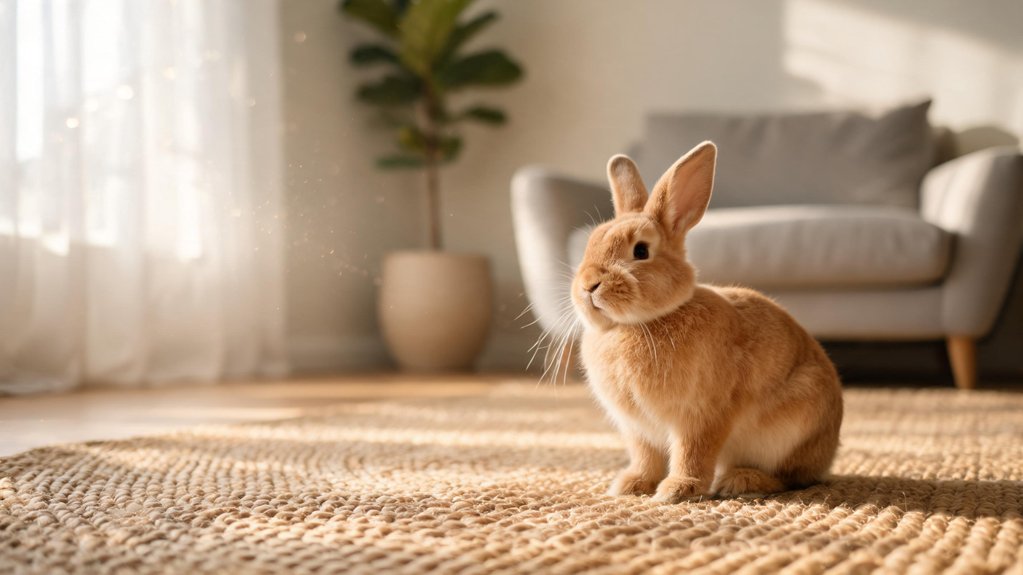
As a dedicated Tan rabbit breeder or owner, understanding the typical size and weight progression of your rabbit as it matures is essential for optimal care and successful showing. Most adult Tan rabbits fall within the small size category, weighing approximately 4–6 pounds (about 2–3 kilograms). Show-quality Tans are often around 4–5 pounds, making this weight range an ideal benchmark for aiming your rabbit’s development. Lighter lines are sometimes associated with the West Coast of the United States. Throughout your rabbit’s growth timeline, expect steady, age-based weight increases designed to reach these target weights. Use the American Rabbit Breeders Association (ARBA) weight ranges as your primary guide for assessing their readiness for shows and overall health. Keep in mind that does (females) tend to weigh slightly more than bucks (males), so adjust your expectations accordingly.
Rather than focusing on a single random weigh-in, prioritize consistent monitoring of your rabbit’s body condition and steady weight gain over time. Variations are normal, so begin with the adult weight range and make adjustments based on their body condition, ensuring your rabbit reaches a healthy and balanced size for their age. By following these guidelines, you can effectively support your Tan rabbit’s growth, enhance their appearance for show, and promote their overall well-being.

Homeopathic Digestive Support Formula: HealthyAnimals4Ever Rabbit Gastrointestinal Stasis Treatment combines Four active homeopathic ingredients, Calc Phos, Ferr Phos, Mag Phos, and Nat Sulph, to support digestive comfort in rabbits

Sherwood Pet Health

Sherwood Pet Health
Typical Adult Weight Range
Most adult Tan rabbits typically weigh between 4 and 6 pounds (approximately 1.8 to 2.7 kilograms) once they’ve fully filled out and reached maturity. These small-sized rabbits rarely exceed 6 pounds under normal healthy conditions, making them an ideal choice for owners seeking a manageable, compact pet.
For those focused on show-quality standards, the American Rabbit Breeders Association (ARBA) sets a maximum senior weight of 5.5 pounds (around 2.49 kilograms), so maintaining your rabbit within the 4 to 5-pound range ensures compliance and optimal presentation.
Does, or females, generally run slightly heavier, typically weighing between 4 and 6 pounds, whereas bucks, or males, tend to be slightly lighter, usually 4 to 5.5 pounds.
Because adult Tan rabbits remain athletic and energetic, it’s crucial to maintain consistent portion control and a balanced diet. This approach supports their active, racy physique and overall health, ensuring they stay in prime condition for showing or companionship.
Adopting proper weight management practices guarantees your rabbit remains vibrant, healthy, and compliant with breed standards, making your care routine both effective and rewarding.
Weight Growth Timeline By Age
Tan rabbits exhibit rapid growth in their early developmental stages, with growth rates that naturally decelerate over time, allowing for precise planning in breeding and care schedules. From birth until approximately 8 weeks of age, kits gain weight quickly, often reaching or surpassing the 2-pound junior minimum threshold by the time of weaning. During this critical period, properties such as overall size, weight, and coat condition are ideal indicators for assessing growth progress and readiness for transition to the next phase.
Between 2 and 6 months, Tan rabbits maintain a steady monthly weight gain, gradually developing into their characteristic compact, athletic form. You’ll observe notable coat changes during this period, as juvenile fur becomes smoother and glossier, signifying healthy maturation. This stage is vital for breeders aiming to optimize timing, ensuring that rabbits reach desired specifications in size and appearance for show or sale readiness.
From approximately 5 to 6 months of age, growth naturally slows further, marking a pivotal period for initiating breeding plans. Many breeders consider starting mating schedules at these minimum age thresholds—such as bucks at around 5 months and does at 6 months—while some prefer waiting until 8 months to ensure full physical maturity. Understanding these growth milestones enables you to plan breeding schedules effectively, maximize genetic potential, and produce high-quality Tan rabbits tailored for show, sale, or breeding programs.
Learn the Fully Arched Body Type
To accurately showcase the fully arched body type in your Tan, start with a well-defined topline that begins at the nape of the neck. Ensure it continues smoothly over the shoulders, through the loin, and right over the hips. Achieving this seamless curve emphasizes the optimal physical structure that judges highly value during competition.
When you stand or pose your rabbit naturally, look for that single, flowing arch to extend all the way to the base of the tail, with no flat or broken spots along the back.
To prepare your rabbit for show and maximize its aesthetic appeal, check for that clean, uninterrupted arc. Many successful exhibitors also look for a slight “daylight” space under the belly, which highlights the arched form and indicates healthy, dense musculature.
Maintaining this ideal body shape not only enhances the rabbit’s appearance but also aligns with the standards that judges prioritize. By focusing on cultivating this flawless, flowing arch, you elevate your rabbit’s presentation and increase your chances of success in competitive judging.

【 BREATHABLE 360° VIEW FOR SMALL PETS 】:Designed with breathable mesh panels on every side, this small animal playpen promotes airflow while giving you a clear view of your pet during playtime. The enclosed space is ideal for rabbits, guinea pigs, hamsters, hedgehogs, chicks, kittens and other gentle small animals, helping them explore, rest and play comfortably under supervision.

Spacious Space: Overall size is 48"L x 48"W x 24"H. Provides 16 square feet of living area for guinea pigs as recommended by vets. Ideal extension of our rabbit cage or independent use. Give small pets freedom to frolic indoors or outdoors

【Durable 600D Oxford Fabric】The bottom pad was made of 600D thick oxford, which is durable and with high strength.
Arched Posture From Nape
Once you understand where the arch begins, mastering the ideal silhouette of a Tan rabbit becomes straightforward. Focus on the nape as the starting point; from there, the spine gracefully lifts, forming a smooth, continuous curve along the topline. This arch should carry seamlessly over the shoulders, through the midsection, up toward the hindquarters, and down to the tail, creating a distinct, full arch that highlights the rabbit’s refined posture.
A prominent, well-defined arch signifies a healthy, confident, and properly conditioned rabbit, essential qualities judged in competitions. Unlike a flat or weak topline, a proper arched posture ensures the abdomen remains lifted above the table, allowing daylight to be visible beneath it—an important indicator of desirable conformation.
To achieve this ideal stance, position your rabbit on its toes with front legs fully extended, hold its head high, and ensure the ears are upright. The coat should appear sleek and well-groomed, not fluffy, emphasizing the animal’s elegant contours.
Remember, judges evaluate this arched posture not only in static positions but also during movement. Demonstrating this natural, confident arch in motion underscores your rabbit’s superior conformation. Effective training and grooming enhance this posture, making your rabbit stand out in shows and increasing your chances of award-winning recognition.
Use these insights to refine your presentation and showcase your rabbit’s best features, ultimately elevating your success in competitive exhibitions.
Smooth Curve Over Hips
Now focus on the hips, because the full-arch body type should display a smooth, uninterrupted curve that spans across the midsection, the loin, and over the hips. This continuous, flowing top line is essential for creating an elegant, athletic silhouette that highlights your horse’s well-balanced conformation.
Aim for a sleek, cylindrical torso that transitions seamlessly into the back, which should rise gracefully over the hips, embodying that desirable hare-like appearance.
When you pose your horse correctly, you should notice daylight visible beneath the belly, emphasizing proper muscle tone and soundness.
Additionally, for show and overall presentation, the shape of the hips plays a crucial role in conveying the horse’s balance and refinement.
Strive for a gentle taper from the shoulders down to the hips, with hind legs positioned parallel to each other, ensuring symmetry and stability.
Avoid excess flesh in this area, as it can obscure the natural arch and disrupt the smooth, continuous line that defines a high-quality full-arch body type.
Understand the Two-Tone Tan Marking Pattern
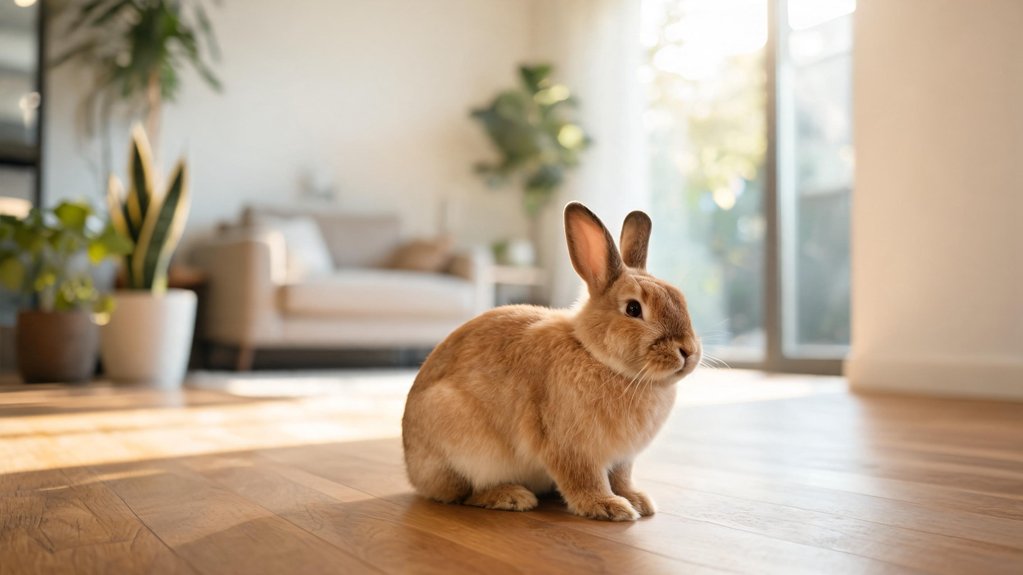
When examining a Tan rabbit, the two-tone marking pattern provides the most recognizable and distinctive feature, making identification straightforward. The key characteristic is a clear “saddle” on the dark, upper body—often black, blue, chocolate, or lilac—that creates a striking contrast against the vibrant orange-red tan markings. This high-contrast visual cue is essential for breeders and enthusiasts seeking healthy, well-marked specimens.
Pay close attention to the detailed attributes that signify quality: a defined dark base color with crisp edges, complemented by the bright tan markings. Look for a tan ring around each eye, highlighting the rabbit’s facial symmetry. The nostrils and jowls should exhibit rich tan coloration, adding to the overall vividness. Additionally, a distinctive triangle at the nape of the neck is a hallmark of true Two-Tone Tan rabbits.
For the body, ensure the chest and belly are fully tan, indicating proper coloration spread. The limbs should feature a rich tan hue on the inner surfaces, with fully colored tan toes and a uniformly tan underside of the tail. These attributes not only determine the rabbit’s quality and health but also enhance its commercial appeal, whether for breeding, shows, or pet ownership.

PROUDLY GROWN IN THE USA: Harvested fresh from Oxbow?s family of farms by our expert hay growers˜

Hand-Selected Timothy Hay - We hand-pack each box in small batches to ensure only the highest quality 100% US-grown 1st cut Timothy hay arrives at your door. 1st cut Timothy hay features a higher fiber content and more flower heads than any other cutting. It includes a higher stem content to wear down overgrown teeth and provides a boost in fiber for happy digestive systems, though it is still very soft and leafy.

Soft Leafy Texture For Daily Chewing: This 2nd cutting timothy grass hay offers a tender, leafy structure that appeals to rabbits and guinea pigs that prefer a softer hay. The balanced mix of leaf and stem encourages steady chewing and natural foraging, helping pets stay engaged throughout the day. Ideal for hay feeder guinea pig setups or loose feeding routines within small pet supplies
Choose Common Tan Rabbit Color Varieties
After you’ve identified the classic Two-Tone “saddle” pattern and checked for crisp, well-defined edges, it’s essential to evaluate the specific Tan color variety of your rabbit. This step helps ensure you select the most visually appealing and show-appropriate specimen.
Begin your assessment with Black Tan, the foundational and most frequently displayed variety in competitions, distinguished by dense, glossy jet-black coloration covering the back, head, and sides, complemented by vivid orange-tan markings on the underside and facial regions.
Next, consider Blue Tan, characterized by a slate or blue-gray topcoat resulting from dilute genetic traits, which produces a cooler, softer contrast that can enhance the rabbit’s overall appearance on the show table.
Next, consider Blue Tan—a slate or blue-gray topcoat from dilute genetics—creating a cooler, softer contrast that can stand out on the show table.
For a warmer, richer tone, Chocolate Tan features a deep dark brown top coat accented with vibrant orange to rufus-red markings, ideal for exhibitors seeking a classic, striking look.
Additionally, Lilac Tan offers a pale dove-gray tone, notable for its rarity and the lightest, cream-leaning coloration among the tan varieties.
Choosing the right variety depends on your personal preference, show goals, and the qualities that will best highlight the rabbit’s health, genetics, and breed Standard. Selecting the most suitable tan color variety ensures your rabbit not only meets show criteria but also maximizes its visual appeal to judges and enthusiasts alike.

100% Natural Floral Blend: These rabbit treats for bunny are crafted with premium rabbit hay, rose petals, calendula, forget-me-not, and lotus leaf. The bunny hay for rabbits base offers an irresistible floral aroma that encourages your bunnies' natural foraging behavior without any artificial additives.

【40 PCS Bunny Toys】Including 1× apple wood grass ball bite string, 10× apple wood sticks, 5× sweet bamboo sticks, 5× molar grass sticks, 5× papaya stems, 3× carrot chew snacks, 3× strawberry chew snacks, 2× heart hay cakes, 1× rabbit shape hay cake, 1× rabbit carrot cake, 1× seaweed ball, 1× willow vine ball, 2× loofah slices; A variety of engaging toys keeps your rabbit busy and stimulated during boredom!

🐰【52 PCS CHEW STICKS】This set of rabbit chewing toys includes four different flavors of hay sticks, including 28 original timothy hay sticks, 8 rose rabbit hay sticks, 8 forget-me-not bunny hay sticks and 8 calendula guinea pig hay sticks.
Check Temperament: Playful Bucks and Hormonal Does
When you’re selecting a Tan rabbit, you’ll notice that male bucks tend to be playful and affectionate, making them ideal as friendly, interactive companions for families or individuals seeking a lively pet. These energetic bucks thrive on daily engagement and can provide continuous entertainment with proper interaction, contributing to their overall well-being.
In contrast, female does often experience hormonal fluctuations, especially during breeding season, which can lead to increased territorial behaviors or defensive reactions. To ensure a positive experience, plan for gentle handling and establish calm, consistent routines that help reduce stress and behavioral issues.
If your doe exhibits heightened protectiveness or aggressive tendencies, consulting with a veterinarian about neutering or spaying options can significantly improve temperament and reduce hormonal-driven behaviors.
Make sure to allocate at least 45 minutes of daily out-of-cage playtime for your rabbit. Regular exercise not only helps burn off excess energy but also promotes healthier, happier rabbits, ensuring a well-adjusted and affectionate pet.
Prioritizing these strategies can enhance your rabbit’s temperament, strengthen your bond, and create a more harmonious living environment.

Sherwood Pet Health

Sherwood Pet Health
Playful Bucks Often Friendly
You’ll often find that a playful Tan buck, known for his lively temperament and engaging demeanor, is friendly in a very “show me” way, not a “come sit on my lap” way. He exhibits energetic hopping, rapid exploring behaviors, and curious investigating around your feet, making him an ideal companion for active pet owners seeking a sociable and engaging rabbit.
When handled gently and consistently, he often bonds deeply with his primary caregiver, fostering a strong and trusting relationship that enhances his overall well-being.
To ensure your Tan buck remains content and well-adjusted, it’s essential to incorporate regular playtime outside his enclosure. This should include free-run sessions in a safe, supervised environment, paired with short, structured interaction periods featuring tunnels, platforms, and puzzle feeders.
These activities not only stimulate his natural curiosity but also prevent behavioral issues such as restlessness, demanding behaviors, or destructive chewing caused by under-stimulation.
Maintaining a steady daily routine is crucial for his confidence and emotional stability, especially if you have multiple rabbits. Supervised introductions and gradual integrations are key to promoting harmony among your bunnies.
Prioritizing a solution-oriented approach with consistent routines and enriched play ensures your playful Tan buck remains healthy, happy, and an active, loyal companion.
Hormonal Does May Guard
A playful Tan buck may impress you with his high energy levels and curious “show me” personality.
In contrast, a hormonal Tan doe can display markedly different behaviors, especially during the days leading up to nesting.
If your doe is intact, rising hormone levels can lead to increased territorial behavior, including honking, circling, digging, and chewing.
Recognizing these signs early allows you to implement proactive management strategies to ensure her safety and well-being.
As her hormonal cycle progresses—around 18 to 22 days into the cycle or during a pregnancy-like state—she may begin fur-plucking to create a suitable nest.
To help her produce a safe and comfortable nesting environment, treat her designated nest zone as a VIP area by avoiding unnecessary intrusion.
Refraining from reaching in prevents stress and potential injury, while giving her plenty of space and observing for signs of agitation, such as thumping, boxing, or nipping.
Offering gentle, calm routines and consistent support can help reduce anxiety during this critical period.
Understanding that false pregnancies can also trigger full nest defense behaviors enables you to prepare accordingly.
Implementing these management tactics enhances her comfort, minimizes stress, and encourages successful nesting, making the process smoother for both you and your rabbit.
How Long Do Tan Rabbits Live?
Tan rabbits typically live about 8–10 years, making them a long-term commitment for dedicated pet owners. With proper care, consistent nutrition, and preventive health measures, you can significantly increase their lifespan and ensure a healthy, happy companion.
Tan rabbits typically live 8–10 years, so consistent nutrition and preventive health care help them thrive longer.
To optimize your tan rabbit’s longevity, provide a balanced diet rich in high-quality hay, fresh vegetables, and clean water to support optimal digestion and overall health.
Keep your rabbit indoors to protect it from harsh weather conditions, extreme heat, and potential predators.
Regular veterinary visits with a rabbit-experienced veterinarian allow for early detection and treatment of health issues, including spaying or neutering when appropriate to prevent reproductive complications and behavioral problems.
Encourage daily free-roam exercise combined with enriching toys and activities to promote mental stimulation and physical fitness.
By implementing these best practices, you can extend your tan rabbit’s life expectancy and enjoy many years of companionship.

SUITABLE SMALL PETS: Ideal for guinea pigs, rabbits, ferret, rat, hamster, hedgehogs, puppies, easy to keep an eye on them from any angle

Provides 5.8 square feet of play area / exercise pen for your pet Hamster, Gerbil, Guinea Pig or other small animal

ALLOWS INDOOR PETS TO SAFELY ENJOY A DAY IN THE SUN – Perfect for everyday use on your deck, lawn, balcony, and more. Allows animals and other small pets to safely enjoy a day in the sun with a 360-degree view, while keeping unwanted predators out. We recommend testing the play tent indoors prior to indoor/outdoor use,Width & Height after expansion 47.2" x 17.7"(120cm x 45cm), 9sq.ft, 1 surround tunnel: 110X10.6in, mesh per square meter: 70g.
Common Tan Rabbit Health Issues to Watch
Keep a close eye on gastrointestinal stasis, especially if your Tan rabbit stops eating or isn’t passing droppings for 12 hours. This condition signals a slowdown in gut motility, which can escalate rapidly into a life-threatening emergency. Immediate action is crucial—seek veterinary assistance promptly to prevent serious health consequences.
Next, prioritize scheduling an annual dental checkup, focusing on your rabbit’s back teeth. Since rabbit molars continually grow, overgrown teeth can cause pain, drooling, and weight loss. Early detection and professional dental care help maintain your rabbit’s comfort, prevent additional health issues, and ensure proper nutrition.
Additionally, monitor your Tan rabbit for signs of skin irritations such as excessive scratching, dirty fur, or redness. These symptoms often indicate parasitic infestations or flystrike, both of which can deteriorate rapidly if left untreated. Immediate intervention with appropriate parasite control and hygiene interventions can safeguard your pet’s well-being, preventing painful complications and ensuring a healthy, happy life.

HAND-SELECTED TIMOTHY HAY FOR RABBITS, GUINEA PIGS, CHINCHILLAS, & SMALL ANIMALS to ensure long fiber strands and proper leaf to stem ratio

PREMIUM QUALITY OXBOW TIMOTHY HAY FOR SMALL PETS: High-fiber Oxbow timothy hay supports digestive & dental health for rabbits, guinea pigs; the perfect choice for pet parents seeking trusted rabbit hay, guinea pig hay, and nutritious daily bunny food

Satisfying taste and texture combo
GI Stasis Signs Prompt Vet
If you have a tan rabbit and you notice they’re eating less, act quickly because gastrointestinal (GI) stasis—where the movement of food and gas through the gastrointestinal tract slows dramatically or stops—is a serious veterinary emergency that can become life-threatening within a matter of days.
Monitor your rabbit closely over the next 2 to 7 days for signs such as a declining appetite, thinning pellets that turn dark, dry, and small, and a noticeable decrease in water intake.
Additional symptoms include lethargy, hunched posture, bruxism (teeth grinding), and cold ears or limbs, which may indicate distress or shock.
Immediate veterinary intervention is crucial if you observe no eating or fecal output lasting more than 12 hours, or if you notice very few tiny pellets, mucus near the rear, a bloated abdomen, a doughy gut, or loud or silent abdominal gurgles.
These signs signal a potential GI stasis situation that requires prompt diagnosis and treatment.
For optimal health and quick recovery, contact your exotic or small animal veterinarian without delay to develop an individualized treatment plan—this may include pain management, fluid therapy, and specific dietary or intestinal stimulation strategies to restore normal gut motility.
Recognizing the early warning signs and acting swiftly can significantly improve your rabbit’s prognosis and prevent severe complications.
Dental Overgrowth And Flystrike
Dental overgrowth and flystrike are two critical “watch-it closely” health issues that can impact tan and other rabbit breeds. Both conditions often start subtly, making early detection essential for effective treatment and prevention.
Dental overgrowth occurs when a rabbit’s teeth, particularly the incisors and cheek teeth, grow continuously without proper wear. Misaligned bites, or malocclusion, prevent natural grinding, leading to elongated teeth. This can cause significant discomfort, weight loss, and secondary issues such as drooling, difficulty closing the mouth, swelling, and foul breath.
Regularly offering high-quality hay—rich in fiber—can promote healthy tooth wear, while limiting pellet-heavy diets reduces excessive dental stress. Daily checks of the rabbit’s rear fur for dampness or soiling help identify early signs of dental-related droppings or drool that might signal a problem.
Flystrike, a severe condition where blowflies lay eggs on a rabbit’s damp and soiled fur, can quickly become life-threatening. Preventative measures include keeping your rabbit’s fur dry and clean.
Obesity, arthritis, and dental pain can impair a rabbit’s grooming ability, increasing vulnerability to flystrike. Ensuring an environment that promotes good grooming and hygiene, along with prompt attention to any signs of discomfort or soiling, are vital in reducing the risk.
Early intervention, proper diet, and consistent grooming are key to preventing these potentially deadly conditions. Consulting a rabbit-savvy veterinarian for regular health checks and targeted treatment options is recommended for comprehensive care.
Prevent GI Stasis With Feeding and Monitoring
To prevent gastrointestinal (GI) stasis in your small pet, it’s essential to integrate consistent feeding practices and daily health monitoring into your routine.
Regularly providing unlimited access to nutrient-rich grass hay, such as Timothy hay, supports natural gut motility, ensuring steady and healthy intestinal movement.
Aim for at least 50 to 75 percent of your pet’s daily diet to come from high-quality grass hay, which promotes optimal digestion and reduces the risk of impaction.
Avoid relying solely on pellets, as they may not supply sufficient fiber necessary for maintaining healthy gut function.
If you choose to include pellets in your pet’s diet, limit the portion to approximately one-third of the total intake based on the pet’s weight—for example, no more than ⅓ cup per 5 pounds of body weight—and select brands that contain at least 18–22% fiber content.
Complement this with fresh, wet leafy greens, providing about 4 cups per 5 pounds of body weight daily, to ensure adequate hydration and intestinal health.
Consistent daily checks of your pet’s stool consistency, appetite levels, and the appearance of caecotrophs are crucial indicators of digestive health.
Regular monitoring enables early detection of potential issues, allowing prompt intervention.
Incorporate these feeding and observation routines into your pet care routine to optimize digestion, prevent GI stasis, and promote overall wellbeing.
Choose specialized small pet diets and accessories designed to support digestive health and sustain your pet’s vitality.

🌴【100% Natural Materials】All rabbit chew toy balls are made of natural materials and hand woven. The rolling balls use natural seaweed, rattan, corn husks, Timothy grass, etc, which are safe for your pet and can be used with confidence.

100% Natural Materials: The rabbit toys include apple sticks, timothy hay balls, loofah, biscuits, Alfalfa cakes, raffia and FSC-Certified wood. The rabbit treat and chews are made from FSC-Certified wood, no glue, no additives, no added coloring, which can be hung from the side or top of the cage to keep them cleanm

Weight: One pack of 250g apple sticks for pet rodents includes premium hamster chew sticks. Dimensions are controlled within a reasonable range, with each stick having a length of about 4.5 inches and a diameter no more than half an inch
Groom Your Tan Rabbit for a Glossy Coat
You’ll keep your Tan rabbit’s flyback coat looking sleek and irresistibly glossy by implementing a regular brushing routine using a soft-bristled brush or grooming mitt. Always brush along the direction of hair growth to effectively lift loose fur and promote a healthy, shiny appearance. Consistent weekly grooming not only enhances the coat’s natural luster but also helps identify any early signs of dirt or health issues.
For spot cleaning, utilize a damp cloth or a pet-safe wipe to carefully target any dirty areas, avoiding full baths which can cause stress and dull the rabbit’s natural gloss.
During molting season, increase your brushing schedule to daily to prevent patchy regrowth and maintain a seamless, shiny coat.
While grooming, be sure to check the rear area and scent glands regularly to prevent waxy buildup, which can stain or diminish the coat’s natural shine.
Incorporating these targeted care practices ensures your Tan rabbit’s fur remains vibrant, clean, and easily maintainable, giving you a beautiful, healthy pet with a glossy, show-ready appearance.
Weekly Brush For Flyback Shine
Weekly brushing is essential for maintaining your Tan rabbit’s luxurious, glossy coat, as it effectively removes loose fur, distributes natural oils evenly, and prevents shedding from dulling that vibrant, flyback shine. Implementing a consistent grooming routine with a soft-bristled brush or grooming mitt not only promotes a healthy, radiant appearance but also minimizes fur mess around your home, especially during peak moulting periods. Choosing the right rabbit brush for routine grooming and loose-fur removal can make weekly sessions easier and more effective.
For optimal results, set up a calm, comfortable grooming space with a towel underneath for added grip and stability. Gently brush from the neck toward the tail with short, repeated strokes to avoid tugging or causing discomfort.
During peak moulting seasons every three to four months, increase the frequency to daily brushing until loose fur diminishes, ensuring your rabbit’s coat stays smooth and radiant. In non-peak periods, quick, targeted sessions every 1–2 weeks will suffice.
Pay special attention to sensitive areas like behind the ears, under the chin, and hindquarters, which tend to shed more heavily. Regular, thorough grooming not only preserves your rabbit’s flyback shine but also promotes overall coat health, making your pet look and feel their best.
Investing in the right grooming tools and a consistent schedule ensures your rabbit maintains a beautiful, healthy, and shiny coat year-round, enhancing their well-being and your bonding experience.
Spot Clean To Prevent Soiling
Spot cleaning is essential to prevent soiling and keep your Tan rabbit looking glossy, vibrant, and healthy. Since tan fur reveals stains quickly, it’s crucial to check the bottom at least once daily for stuck feces, urine scald, matted hair, or signs of flystrike risk. Regular inspection allows for timely intervention, maintaining your rabbit’s comfort and hygiene.
Use your fingers or a soft brush to gently remove soft debris around the vent area first before applying any moisture. Carefully wipe scent glands near the genitals to clear dark waxy buildup, which can cause discomfort or odor issues if left unaddressed.
Handle soiled hindquarters immediately—don’t wait until a full bath is necessary—as prompt cleaning prevents matting and skin irritation. For light messes, rubbing with a dry towel or dabbing sticky spots with baby cornstarch can effectively absorb moisture and grease; then, gently comb out any residues.
Avoid using talcum powder, as it can cause respiratory issues and further skin irritation.
Incorporating these targeted, gentle cleaning practices into your daily routine ensures your rabbit’s coat remains clean, healthy, and free from potential health risks, supporting overall well-being and appearance.
Manage Molt For Even Gloss
Managing molt is the key to maintaining your Tan rabbit’s coat, ensuring it stays even, sleek, and irresistibly shiny. This breed’s short, flyback fur is designed to “snap” back into place effortlessly when properly groomed, revealing a healthy and vibrant appearance. To achieve this, it’s essential to understand the natural pattern of your rabbit’s fur growth and shedding cycle.
Typically, weekly grooming sessions are sufficient to keep the coat in optimal condition. However, during seasonal heavy sheds, increasing grooming frequency to daily or even twice a day is crucial for uniform shedding and a consistently beautiful coat. Be sure to use soft-bristled brushes or grooming mitts for surface fur, and switch to a fine-toothed comb during molts to gently pull undercoat hairs without causing discomfort. Always stroke with the direction of hair growth, part the fur carefully, and pay extra attention to the flanks, back, and rump areas.
For optimal results, maintain a balanced diet with high-quality pellets and ensure constant access to fresh water. Some owners also consider skin and coat supplements formulated to address fur quality and dry skin, though these should complement rather than replace a proper diet. Investing in dedicated grooming tools and adopting a routine tailored to seasonal shedding not only enhances your rabbit’s appearance but also promotes overall health, making your pet look their best year-round and boosting their well-being.
Set Up Safe Housing and Litter Habits
To establish a safe and comfortable housing environment for your tan rabbit, start with the right space and the appropriate set of rules from day one. Use a large, secure pen or crate equipped with a shelter, situated in a calm, quiet room that’s free from loud noises, household disturbances, and potential predators. Providing ample space allows your rabbit to stretch, stand tall, and move freely, which is essential for its physical health and happiness.
For effective litter training and maintaining cleanliness, temporarily limit the floor space using a barrier, such as a 4’x4’ exercise area, to create a manageable training zone. Ensure the flooring is solid, moisture-proof, and easy to clean—ideal options include linoleum or a hard rubber mat. Avoid loose bedding directly on the floor to minimize mess and health risks.
Place a large, sturdy litter box in a corner of the enclosure, filling it with high-quality, rabbit-safe litter and adding hay as a natural bedding material. Use one litter tray per rabbit, with an additional tray as a backup to prevent territorial disputes and promote consistent litter habits. Regularly monitor and adjust the position of the litter box if necessary to encourage routine use and maintain a clean, odor-free environment.
Plan Exercise Time for an Active Tan Rabbit
Because Tan rabbits are highly active, athletic, full-arch runners, it’s essential to incorporate more exercise time into their daily routine compared to calmer breeds. To promote optimal health and vitality, plan for at least four hours of secure, free-roam activity each day, ideally in spacious, rabbit-proofed environments measuring at least 6 feet by 3 feet.
Larger enclosures are highly beneficial to accommodate their energetic nature. Midwest exercise pens provide a flexible indoor or outdoor enclosure that can be set up to offer the spacious area this active breed needs.
Schedule these exercise sessions during dawn and dusk, natural activity peaks for active breeds. Divide the four-hour goal into two balanced sessions, approximately two hours each—one in the morning and one in the early evening.
During these sessions, encourage vigorous running, jumping, rapid turns, and upright stretching to support muscle development and agility.
Enhance their environment with engaging, rabbit-safe accessories such as tunnels, boxes, low platforms, and digging boxes filled with secure, safe substrates. These enrichments stimulate their natural instincts and keep them physically and mentally engaged.
Feed a Simple Diet: Hay, Pellets, Greens
A simple, forage-first diet that prioritizes hay, pellets, and leafy greens is essential for maintaining your Tan rabbit’s optimal health and vitality.
Begin with high-quality hay and grass, which should comprise approximately 75–90% of the daily diet.
Offer fresh, sweet-smelling timothy or orchard grass at all times, ensuring that your rabbit has access to hay at least as much as its body size each day.
The coarse fiber in hay promotes healthy gut motility and robust natural tooth wear, preventing dental issues and supporting overall digestive health.
Next, incorporate plain timothy-based pellets into your rabbit’s diet, making up only 5–10% of their daily intake.
Avoid free-choice feeding of pellets to prevent obesity and selectively provide the appropriate portion.
Finally, supplement with 10–15% leafy greens twice daily.
Offer a variety of safe, nutrient-dense plants, such as kale, romaine, cilantro, and parsley, mixing 5–6 different options to ensure a balanced diet.
Always wash greens thoroughly and avoid iceberg lettuce, which offers minimal nutritional value.
This well-structured feeding plan is designed to optimize your rabbit’s health through a solution-oriented and easy-to-follow diet, emphasizing the importance of forage and fresh greens while maintaining manageable pellet portions for long-term well-being.
Portion Pellets Correctly for Small Rabbits
Once your adult Tan rabbit reaches maturity, it’s essential to portion pellets carefully for optimal health and digestive balance—not provide them free-choice. Precise measurement ensures your small, athletic Tan rabbit, typically weighing between 4 and 6 pounds, receives the appropriate nutrition without overfeeding. Start with a daily portion of about 1/8 cup for rabbits under 5 pounds, and increase to approximately 1/4 cup for those weighing 5 to 7 pounds.
A fundamental guideline is that pellets should constitute only 10 to 20 percent of the rabbit’s total daily diet. Using a standard measuring cup, feed your rabbit the measured amount once per day or split it into two feedings for better digestion and consistent energy levels. Always select plain, timothy-based commercial rabbit pellets without added extras or supplements, as these support overall health and prevent digestive issues. When comparing commercial options, look for timothy hay listed as the first ingredient and avoid mixes containing seeds, nuts, or dried fruit.
For very small rabbits, such as those under 4 pounds, cap the pellet portion at around 1/8 cup daily to prevent overfeeding and promote natural foraging behavior. By following these precise portioning techniques, you ensure your small rabbit maintains a balanced diet, supports weight management, and benefits from a nutrient-rich, high-quality pellet feed designed specifically for their dietary needs.
Spot Dental Risks and Weight Gain Early
Early dental disease in your tan rabbit can develop subtly and often goes unnoticed until significant mouth trouble arises. It’s crucial to monitor your rabbit’s appetite closely—especially if they begin to prefer softer foods, eat more slowly, or show signs of quidding, which involves spitting out partly chewed hay. These early indicators can help you identify dental issues before they escalate into painful or costly problems.
Regularly inspect your rabbit for signs such as drooling, a wet chin, and moist skin around the mouth, all of which can signal discomfort or dental pathology. Pay attention to abnormal behaviors like tooth grinding and reluctance to chew, as these are common warning signs of dental pain.
Implement weekly weighing to track any sudden weight loss, which can occur rapidly if dental disease impairs eating. Conversely, watch for uncharacteristic weight gain, often linked to decreased activity due to pain or discomfort.
Additionally, monitor the size and consistency of your rabbit’s fecal pellets, since pain-related gut motility issues can lead to smaller droppings. Keep an eye on grooming habits, noting any accumulation of dirt around the bottom area or eye discharge, both of which may indicate underlying health concerns.
Early detection of these signs allows for timely intervention and professional dental care, helping maintain your rabbit’s overall health and preventing more serious or costly veterinary treatments. Regular health checks, combined with attentive observation, are key to ensuring your rabbit remains comfortable and healthy.
Budget for a Tan Rabbit: Typical US Price
Once you understand the early signs of dental issues and weight fluctuations in your Tan rabbit, it’s crucial to plan your budget accordingly to ensure prompt action when necessary.
For a typical pet-quality Tan rabbit in the United States, the initial purchase cost from reputable breeders or private sellers generally ranges between $30 and $75.
If you desire ARBA-registered, show-quality specimens, expect to invest approximately $200 to $400, with higher-end listings potentially surpassing that range.
Many responsible breeders and shelters set acquisition prices between $50 and $100, with shelters often charging around $20 to $100 for adoption.
To maintain your rabbit’s health and happiness, budget approximately $55 per month, totaling about $660 annually.
This ongoing investment covers essential expenses such as high-quality rabbit food, litter, and routine supplies.
Invest in high-quality rabbit food, litter, and routine supplies—an ongoing expense that keeps your Tan rabbit healthy and thriving.
Planning ahead financially allows you to act swiftly and provide your Tan rabbit with the best care possible, ensuring a healthy and vibrant companion for years to come.
Find a Responsible Breeder or Rescue
So, how do you find a responsible place to get a Tan rabbit—without ending up with an unhealthy animal or a sketchy situation?
Start with the American Rabbit Breeders Association’s (ARBA) Tan rabbit national club contacts. Call these organizations, ask for breeder or show-breeder officials, and request comprehensive documentation.
A reputable and responsible breeder will have a clearly defined breeding goal focused on health, temperament, and breed standards. They’ll maintain detailed records of lineage, health history, vaccination status, and care routines, including RHDV2 vaccination protocols and biosecurity measures.
You should see clean, well-maintained indoor housing that ensures the rabbit’s safety and comfort.
Additionally, request full documentation of the rabbit’s health history, diet information, and spay/neuter status.
If local breeders are sparse, consider expanding your search to nearby states or regions.
Alternatively, choose a reputable rescue organization that employs a thorough adoption process, including comprehensive adoption forms, home checks, and return agreements.
These rescues prioritize animal health and adopt to responsible owners committed to ongoing care.
Emphasize solutions-oriented sourcing that ensures you bring home a healthy, well-cared-for Tan rabbit from a responsible source.
Is a Tan Rabbit Right for Your Home?
Before you bring home a Tan rabbit, ask yourself one simple question: Do you have sufficient time, space, and patience for an alert, athletic companion?
Before you bring home a Tan rabbit, ask yourself if you have time, space, and patience for an alert, athletic companion.
Tan rabbits are highly energetic creatures that require ample room to thrive, including space for full upright stretching and vigorous exercise. Ensure your living environment can accommodate a minimum of 30 by 36 inches dedicated to your rabbit’s play area, and maintain a clean, uncluttered space to facilitate safe chasing and active movement.
Investing in a Tan rabbit means committing several hours daily to their care and well-being. This includes providing a consistent supply of fresh hay, precisely measured pellets, nutrient-rich greens, and constant access to clean water.
Grooming is essential and should be performed every few days, with increased frequency during moult periods to keep your rabbit comfortable and healthy.
While male Bucks tend to be particularly friendly and sociable, female Does may act defensively, especially during their breeding season. Therefore, steady, positive socialization is crucial to developing a well-adjusted, affectionate bond.
Choosing a Tan rabbit is a rewarding experience for dedicated owners who prioritize enrichment, proper habitat, and regular care routines.
If you’re prepared to meet these needs, a Tan rabbit can become a highly loyal, energetic, and engaging companion for your home.
Frequently Asked Questions
Are Tan Rabbits Recognized Only in Black, Blue, Chocolate, and Lilac Colors?
Yes, within the Tan rabbit breed, you will find only four recognized color varieties—black, blue, chocolate, and lilac. These specific color standards are upheld by authoritative organizations such as the American Rabbit Breeders Association (ARBA) and are consistently highlighted in specialty-club show listings.
When selecting a Tan rabbit for exhibition or breeding purposes, it’s important to focus on these established color classifications, as they are the only ones accepted for registration and competition. Ensuring your rabbit’s coat color aligns with these recognized standards guarantees adherence to industry regulations and maximizes its eligibility for prestigious shows. Opting for a Tan rabbit with one of these core colors will also serve to enhance its overall appearance, breed integrity, and market value, making it a smart investment for serious breeders or pet enthusiasts aiming for quality and conformity.
What’s the ARBA Tan Pattern Requirement for Eye Circles and Nostrils?
You should breed for rich, fiery reddish-tan eye circles and nostril outlines, ensuring the tan pigment reaches the skin and forms clear, continuous definition. This pigmentation creates a striking contrast that enhances the overall appearance and breed quality of your rabbits.
Why settle for anything less than crisp, consistent coloration? By focusing on these specific pattern requirements, you can elevate your stock’s visual appeal and meet ARBA standards with confidence. Properly developed eye circles and nostril outlines not only meet the ARBA Tan Pattern Requirements but also demonstrate your commitment to producing top-tier, show-quality rabbits.
How Much Hay and Pellet Amounts Are Safe for a 4–6 Lb Tan?
For a 4–6 lb Tan rabbit, it is essential to provide unlimited access to high-quality grass hay daily, which should comprise approximately 70–85% of the rabbit’s total daily intake. Ensuring abundant hay not only promotes healthy digestion but also helps maintain optimal dental health by encouraging natural gnawing behaviors.
In addition, feed about 1/4 cup of Timothy-based pellets per day, totaling roughly 1/4 to 1/3 cup, depending on the rabbit’s body condition and activity level. Adjustment of pellet quantity may be necessary to prevent overfeeding and support healthy weight management.
Using premium, nutritionally balanced rabbit pellets and fresh Timothy hay from reputable suppliers can maximize health benefits. Proper portioning and consistent feeding routines are crucial to supporting your rabbit’s well-being, making these recommendations ideal for responsible rabbit care.
When Should You Be Concerned About GI Stasis and Stop Eating?
You should worry if your rabbit stops eating or shows significantly reduced appetite for at least 4 hours. Additionally, monitor for the absence of fecal pellets for 6 to 12 hours. Prompt action is crucial, as GI stasis can become a serious health concern rapidly.
Don’t wait to seek veterinary care—contact an experienced exotic animal vet immediately if you notice both a decline in food intake and a lack of droppings. Early intervention with professional veterinary guidance can prevent complications and help restore normal gastrointestinal function. Investing in timely care and appropriate treatments can ensure your rabbit’s health and well-being.
Do Tan Rabbits Need Weekly Grooming to Prevent Flystrike and Matting?
Yes, tan rabbits benefit from weekly grooming to maintain optimal health and prevent common issues such as flystrike and fur matting. Regular grooming helps manage seasonal shedding, which occurs twice a year, by effectively removing loose undercoat and reducing the risk of insects and parasites.
To ensure your tan rabbit remains clean and comfortable, brush their fur once weekly and increase frequency to 1–2 times per week during heavy shedding periods. Additionally, daily checks of the rear area are essential to identify and clean any soiling or waste buildup promptly. Implementing a comprehensive grooming routine with high-quality brushes and grooming products can significantly improve your rabbit’s hygiene, prevent painful matting, and safeguard against health hazards—making grooming a crucial part of your rabbit’s care plan.