Hey, keep an eye on your rabbit’s eyes daily. Clear, bright eyes are the goal, but watery tearing that turns sticky yellow or green, crusts, redness, or pawing or rubbing means trouble. If you see a blue or white haze, squinting, or one eye won’t open, that’s urgent and requires same-day attention.
Thick discharge can mean infection or a blocked tear duct, also known as dacryocystitis. Gently wipe the eyes with warm damp pads, but avoid scrubbing. Get a vet exam early so treatment can target the cause, and you’ll be able to follow more helpful next steps.
Swift Summary
- Describe baseline healthy rabbit eyes: clear, bright, non-red, no persistent cloudiness, and normal opening without frequent blinking.
- Identify red flags: squinting, eye refusal to open, bulging eyes, persistent redness, or third eyelid showing at rest.
- Explain discharge progression: watery tearing can become sticky yellow/green crust and cause facial fur staining and skin irritation.
- Clarify cloudy/blue-white eyes causes: corneal ulcer/swelling, uveitis, or cataracts—sudden haze requires same-day vet care.
- Link common underlying drivers: dental disease compressing nasolacrimal ducts and chronic rhinitis/Pasteurella causing dacryocystitis and infection.
What “Rabbit Eye Problems” Look Like Day to Day
Every day, your rabbit’s eyes should appear clear, bright, and free from irritation or redness, avoiding any signs of inflammation or “angry” appearance. During your routine check, which takes just 30 seconds, closely observe the eyes as the day progresses.
Look for indicators such as redness, inflamed tissue, bloodshot appearance, cloudiness, or hazy patches that don’t resolve over time. Be vigilant for unusual eye behaviors like bulging eyes, abnormal eye sizes, or the third eyelid showing at rest. Notice if your rabbit is blinking frequently, squinting, pawing at the eyes, or holding one eye shut.
Check for redness, inflamed tissue, bloodshot eyes, cloudiness, or hazy patches that persist and don’t clear up.
Prompt veterinary help is advised if you notice these symptoms, because eye infections can worsen quickly if left untreated. These signs may point to discomfort or underlying issues. Also, monitor your rabbit for difficulty navigating its environment, bumping into objects, wet fur around the eyes, or crusty discharge, all potential symptoms of eye problems.
If your rabbit isn’t opening its eyes or exhibits other signs of eye distress, it’s crucial to seek immediate veterinary care from a rabbit-savvy, exotic pet veterinarian. Proper diagnosis and prompt treatment can prevent serious complications and ensure your rabbit maintains healthy, comfortable eyes.

GENTLE CLEANING & EXCELLENT DESIGN: 120 pcs, 3-inch diameter. The wet wipes are made of high-quality non-woven fabric and are designed with exquisite pearl threads to increase friction, provide deep cleaning and are more comfortable. Designed specifically for pet eye cleaning, it safely and effectively removes sensitive and dry mucus secretions, secretions, and scabs.

Flushable,Gentle and High Absorbency: Dr.Easy Dog and cat eye wipes are proudly made by flushable non-woven pads, it is high absorbency, soft, gentle, lock in liquid and flushable. After use, just throw it into toilet and flush it away.

REMOVES TEAR STAINS – Presoaked textured pads gently wipe away dried mucus, discharge, and tear stains from around your dog or cat's eyes.
Signs of Rabbit Eye Discharge and When It Spreads
You’ll usually notice that weepy eye discharge in rabbits begins with increased tearing and watery eyes that are more than normal. Weepy eyes are nearly always a sign of a problem.
As the condition progresses, it may develop into thick, sticky, yellow or green crusty “eye boogers,” accompanied by redness, swelling of the eyelids, and irritation.
If your rabbit exhibits signs of conjunctivitis, you’ll often see the infection quickly spreading from one eye to the other, indicating a contagious issue that requires prompt treatment.
When tear ducts—also known as the tear-drain tubes—are blocked or infected, you might observe milky discharge, rubbing at the eyes, matted fur around the face, or facial staining due to excessive tearing.
It’s crucial to seek immediate veterinary care if your rabbit stops eating or pooping for 12 hours or more, or if you notice cloudiness with a milky or blue-white appearance on the cornea.
These symptoms can indicate serious eye conditions that demand same-day attention from a rabbit-savvy exotic vet.
Addressing eye discharge early with professional intervention can prevent further complications, preserve your rabbit’s eye health, and improve overall well-being.

CAT EYE RINSE: Nutri-Vet Eye Rinse for Cats helps relieve irritated eyes caused by pollen, smog, and seasonal allergies; A must-have among cat stuff and cat products, it also helps prevent tear stains with quick, effective, and easy daily eye care

✅CLEANS SKIN AROUND EYES & CONTROLS INFECTION: Cliny provides gentle care for dogs and cats, prevents eyes, eliminates clogging, and relieves puffiness and irritation around eyelids..

SAFE AND GENTLE, SAY GOODBYE TO IRRITATION: Our pet eye drops are designed specifically for cats and dogs with sensitive eye areas, using a non stinging formula and free of alcohol or irritating ingredients. Gentle and soothing, enhancing the care experience, making it easy for pets who are afraid of pain to accept
Common Weepy Eye Progression
When a rabbit’s “weepy eye” begins, it often starts mildly with clear, watery tearing known as epiphora that drips down the facial fur below the affected eye. Early detection of this symptom is crucial for timely intervention. Epiphora is caused by abnormal tear flow. If you notice your rabbit not opening one eye, this could indicate early pain or discomfort.
Look for signs such as squinting, frequent blinking, or partial eyelid closure, which are indicators of underlying eye issues.
Check the inner corner of the affected eye for crusting and matted fur directly beneath the eyelids, as these are common signs of infection or irritation. Over time, the discharge may become thicker and change color from white to yellow or green, resembling pus.
Persistent wetness below the eye can lead to skin inflammation, swelling, and further complications if left untreated.
To protect your rabbit’s eye health and prevent progression to more severe conditions, consult a rabbit-savvy exotic veterinarian promptly if you observe these symptoms worsening rapidly.
Immediate professional evaluation is essential to determine the cause and initiate appropriate treatment. In addition, if your rabbit stops eating or pooping for more than 12 hours, treat this as an emergency, as it signals potential systemic illness requiring urgent veterinary care.
Investing in timely veterinary intervention can help preserve your rabbit’s vision and overall well-being.
Discharge And Tear Duct Spread
If your rabbit’s eye discharge persists and begins to “travel,” this often indicates a more serious issue than simple watering. You may observe ongoing weeping, white or milky discharge, and damp fur that soaks around the face, signaling potential infection or irritation.
Additionally, look for crusting at the inner eye corner, cloudy or blurred eye surfaces, and a more prominent third eyelid. Pay close attention to thick, coloured, or stringy mucus, as well as sore, irritated skin around the eye. These symptoms can be signs of dacryocystitis, which is an inflammation of the tear ducts, along with infection spreading through the nasolacrimal system.
It’s also essential to monitor your rabbit for dental or respiratory issues, as these can be linked to eye problems. For accurate diagnosis and effective treatment, consult a specialized exotic vet experienced in rabbit eye health. Addressing these symptoms promptly with professional care can prevent serious complications and ensure your rabbit’s comfort and wellbeing.
When To Seek Same-Day Care
Book a rabbit-savvy exotics veterinarian appointment the same day you notice any change in your rabbit’s eye, including discharge, redness, swelling, cloudiness, or abnormal blinking. Eye problems can cause significant pain and discomfort for your rabbit, and delaying treatment can lead to permanent damage or blindness. Don’t wait for the issue to resolve on its own—actively seek prompt veterinary care within 24 hours, ideally the same day if possible.
Prompt attention is critical if you observe thick discharge, milky or pus-like exudate, sticky inflamed eyes, crusting, or repeated squinting. These signs indicate infection or injury that requires immediate professional evaluation.
Urgent cases also include cloudy eyes, a blue or white haze, or an eye that refuses to open, as these can be early indicators of serious conditions.
If the symptoms spread to the cheeks or eyelids, cause facial swelling, or involve a bump under the eye, same-day veterinary intervention is essential to prevent further complications.
Additionally, if your rabbit shows signs of lethargy, stops eating, or is unable to pass stool for more than 12 hours, these are critical emergencies that demand urgent care.
Taking swift action by booking an appointment with a knowledgeable exotics veterinarian ensures your rabbit receives the specialized treatment needed, helping to preserve sight and overall health—because rapid response is key to preventing long-term damage.
Common Causes of Rabbit Conjunctivitis and Tear Issues
If you’re noticing signs of conjunctivitis in your rabbit, such as thick, sticky, or pus-like discharge, red sore-looking conjunctiva, or watery eyes (epiphora), consider a Pasteurella-associated bacterial infection. This condition commonly occurs alongside respiratory symptoms like a runny nose or noisy breathing, often referred to as “snuffles.” Addressing these signs promptly with targeted veterinary treatment can alleviate discomfort and prevent further complications.
Tear drainage issues frequently originate from deeper underlying causes, particularly dental disease that compresses the nasolacrimal tear duct. This compression can lead to chronic tear duct blockage and may escalate into dacryocystitis, an infection or inflammation of the tear sac. Proper dental care and veterinary intervention are crucial to resolve these issues effectively.
Additionally, if your rabbit can’t properly close its eyelids, has abnormal eyelid structure or misaligned lashes, or if hay dust, bedding debris, or other foreign bodies become lodged in the eye, irritation and secondary infections can develop. These problems often lead to ongoing tearing and discomfort. To ensure swift diagnosis and effective treatment, consult a rabbit-savvy exotic veterinarian who specializes in ocular health. Early intervention with appropriate diagnostics and tailored treatment plans can restore your rabbit’s eye health and prevent prolonged suffering.

COMPREHENSIVE HELP: Our cat and dog antibiotics are effective for pets with allergies, UTIs, runny noses, and digestive moments. Due to their balanced composition, it works for all sizes and breeds.

1. [2X VALUE SIZE FOR MULTI-PET CARE] Now upgraded to a generous 10g (0.35 oz) tube—delivering twice the capacity of standard 5g ointments! Formulated for multi-pet households, larger breeds, and farm care. Safe, reliable daily care for dogs, cats, kittens, puppies, rabbits, horses, and livestock, ensuring you never run out during your pet's daily care routine. (For animal use only).

1. [MEGA VALUE 3-PACK FOR MULTI-PET CARE] Includes 3 full-sized 10g tubes (total 30g / 1.05 oz)—delivering 6X the total volume of standard 5g ointments! Specially packaged for multi-pet households, breeders, farm care, and routine grooming. Safe, reliable daily care for dogs, cats, kittens, puppies, rabbits, horses, and livestock, ensuring you always have a fresh tube ready during your pet's daily care routine. (For animal use only).
Pasteurella-Linked Conjunctivitis Symptoms
Pasteurella multocida is one of the leading bacterial pathogens responsible for rabbit conjunctivitis, characterized by tear overflow (epiphora), and the development of blocked tear ducts (dacryocystitis). The infection often presents with serous or catarrhal eye fluid, progressing rapidly to thick, mucopurulent discharge that can crust over the eyelids and cause them to seal shut with dried debris. Notable clinical signs include redness, swelling, blepharospasm—frequent eye squeezing—and watery tearing that can stain the fur, leading to moist and irritated skin around the eyes.
This ocular condition is frequently associated with underlying respiratory infections such as snuffles or pasteurellosis, which also involve sneezing, nasal mucus discharge, and sinus congestion. Because of the aggressive nature of Pasteurella multocida, it’s crucial to seek immediate evaluation and treatment from a rabbit-savvy exotic animal veterinarian. Early intervention can prevent the progression of the disease and reduce the risk of permanent eye damage.
If your rabbit stops eating or pooping for more than 12 hours, treat this as an emergency and seek urgent veterinary care. Proper diagnosis and a comprehensive treatment plan—including antibiotics, symptomatic eye care, and addressing any underlying respiratory issues—are essential to ensure your rabbit’s recovery. Protect your pet’s health by using targeted, veterinarian-approved medications designed for rabbit pasteurellosis and conjunctivitis, and monitor their condition closely for any signs of worsening.
Dental And Tear Duct Causes
Dental problems are a highly common reason for rabbits to develop “eye goop” and tear stains.
Specifically, issues with the rabbit’s maxillary teeth, which are located close to the delicate nasolacrimal duct—the narrow tear drainage canal—can cause significant discomfort and eye-related concerns.
As these teeth continue to grow, their roots can elongate, curve, and kink the duct, leading to a narrowed passage and impaired tear drainage.
In addition, infections or abscesses in the cheek teeth or surrounding gum tissue can result in swelling and compression of the tear duct.
This blockage prevents proper tear flow, causing tears to pool in the inner corner of the eye.
Over time, this stagnation fosters bacterial growth, resulting in redness, persistent wetness, and discharge at the eye’s corner.
To effectively address these issues, it’s essential to consult a rabbit-savvy exotic veterinarian promptly.
They can assess the root cause and recommend targeted treatments, such as dental correction or medication.
If your rabbit stops eating or pooping for more than 12 hours, treat this as an urgent emergency and seek emergency veterinary care immediately to prevent further complications.
Ensuring your rabbit receives expert diagnosis and treatment can prevent ongoing discomfort and preserve its overall health and well-being.
Chronic Epiphora And Dacryocystitis
Chronic epiphora and dacryocystitis are prevalent ocular health issues in rabbits, often indicating underlying problems with tear drainage or ocular irritation.
These conditions typically originate from irritants or obstructions within the tear ducts, causing tears to overflow excessively from one or both lower eyelids.
You may notice persistent tearing even in the absence of conjunctivitis, signaling a potential tear pathway blockage or inflammation.
As the infection or inflammation progresses, the ocular discharge can evolve from clear, watery fluid to thicker, milky, or creamy pus, and in some cases, develop a caseous, foul-smelling consistency.
Common underlying causes include Pasteurella infections, chronic rhinitis that ascends through the nasolacrimal duct, or structural changes such as scarring, accumulation of debris, and maxillary bone deformities that narrow or obstruct the tear duct lumen.
Proper diagnosis and treatment require consultation with a veterinary professional experienced in exotic animals and rabbit ophthalmology.
It’s crucial to seek expert care promptly to prevent serious complications.
Don’t attempt self-treatment, as inappropriate interventions can worsen the condition.
If your rabbit shows signs of decreased appetite or stops eating and pooping for more than 12 hours, treat it as an emergency and seek immediate veterinary attention to prevent life-threatening complications.
Pasteurellosis and Its Link to Rabbit Eye Infections
When you notice “weepy eye” or sticky, mucoid or mucopurulent discharge in your rabbit, remember that it isn’t always just an isolated eye problem—it can be a sign of a deeper, systemic infection.
Pasteurellosis, caused by the bacteria Pasteurella multocida, often begins with upper respiratory symptoms such as snuffles and then progresses to involve the eye area.
This infection can lead to conjunctivitis characterized by red, inflamed tissue and persistent watery or mucoid discharge around the eye.
It can also infect the tear ducts, resulting in chronic tearing or epiphora from the inner corner of the eye.
External stress factors or concurrent illnesses can trigger or exacerbate symptoms after months of asymptomatic colonization.
If your rabbit shows signs such as decreased appetite or absence of bowel movements for more than 12 hours, it’s crucial to treat these symptoms as an emergency.
Prompt veterinary intervention may include targeted antibiotics, supportive care, and possibly further diagnostics to detect and manage Pasteurellosis effectively.
Using specialized veterinary-approved medications and maintaining optimal hygiene and stress reduction strategies can help prevent the progression of this contagious bacterial disease, safeguarding your rabbit’s eye health and overall well-being.

Homeopathic Neurological Support Formula: HealthyAnimals4Ever Rabbit E. Cuniculi Infection Treatment combines seven active homeopathic ingredients, Santonine, Cina, Silicea, Indigo, Ambrosia, Cucurbita Cit, and Cucurbita Pep, To support rabbits showing signs of disorientation or weakness.

Daily Cleaning - This eye drop for dogs and cats is suitable for daily eye care of pets, removes tear stains and smudges, restores the shine of the hair around the eyes and soothes canine, feline, and dog eye infection treatments, itchy foreign body discharge and other symptoms

Cloudy Eyes in Rabbits: Cornea vs Cataract vs Uveitis
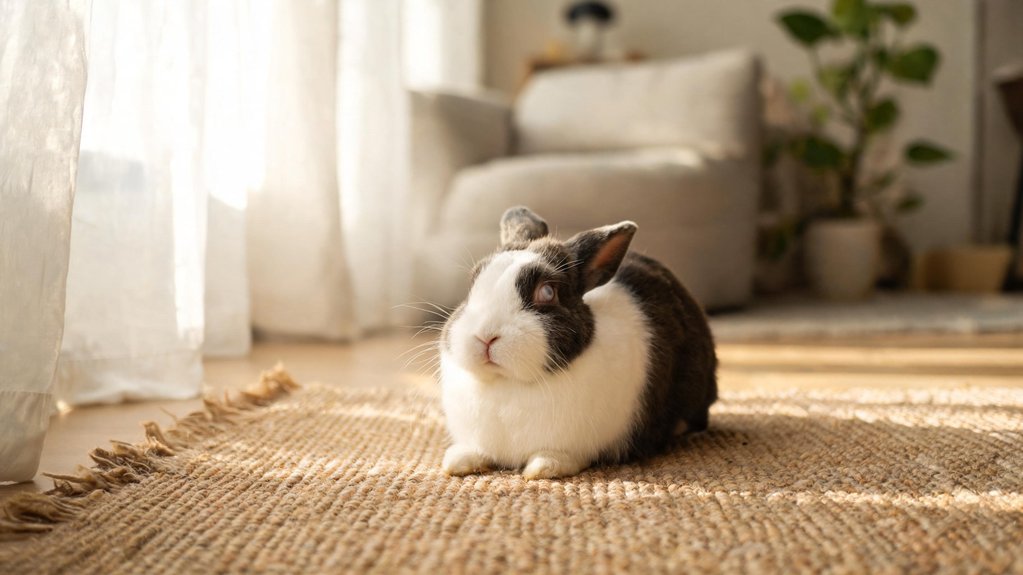
Cloudy eyes in rabbits can appear similar at first glance, but discerning the underlying cause is essential for effective treatment. A thorough examination of the cornea, the clear, transparent front surface of the eye, is the first critical step.
Cloudy eyes in rabbits start with careful cornea examination—the clear front surface—so the true cause can guide treatment.
Corneal ulcers, often resulting from trauma, foreign body irritants, or environmental irritants, typically present as focal cloudiness accompanied by pain, frequent blinking, and discharge. Addressing these promptly with appropriate topical medications, possible debridement, and protective measures will prevent worsening or perforation.
Next, evaluate for corneal edema, which manifests as a bluish-gray haze across the cornea, sometimes linked to conditions such as anterior uveitis or glaucoma. Accurate diagnosis may require specialized testing, and treatment may include anti-inflammatory medications, intraocular pressure management, or other supportive therapies to restore clarity and relieve discomfort.
Moving deeper into the eye, consider cataracts characterized by a white or opaque opacity behind the pupil, often associated with infectious agents like *E. cuniculi*, trauma, or systemic metabolic disorders. Early detection and medical management can slow progression and improve the rabbit’s quality of life, while surgical intervention may be needed for advanced cases.
Finally, uveitis, or intraocular inflammation, presents with signs such as constricted pupils (miosis), intraocular flare, and overall deeper cloudiness of the eye. Uveitis requires immediate veterinary attention to identify and treat underlying causes, which may involve anti-inflammatory or immunosuppressive therapies.
If your rabbit shows signs of cloudy eyes, seek a rabbit-savvy, exotic animal veterinarian promptly. Professional evaluation ensures accurate diagnosis and tailored treatment, helping preserve vision and prevent potential complications.

Antioxidant Pet Eye Care: OcluVet Eye Drops are formulated for dogs, cats, horses, birds and other animals, offering an antioxidant-based option for everyday pet eye care routines without making vision correction or treatment claims

Our formula contains various beneficial ingredients for dog & cat Eye Infection Treatment, Soothe Infection Allergy, Relieve Dry Eyes & Red Eye,Eye Cleaner And Tear Stain Remover such as Artifcial Musk, Gentian Tablets, Borneol,Aloe, chrysanthemum, Cassia Seed.

LONG-LASTING lubrication engineered for convenience. Designed to be applied as little as twice a day.
When Rabbit Cloudy Eye Becomes an Emergency Now
If your rabbit suddenly develops a blue or white haze, squints, or keeps the eye shut, treat it as a same-day emergency. Cloudy eye symptoms with these signs can indicate a painful corneal ulcer or injury that requires urgent veterinary attention to prevent further damage.
If the eye appears bulging, the pupils are unequal, the eye looks sunken or misshapen, or your rabbit seems to lose vision, seek immediate care from an experienced exotic pet or rabbit-savvy veterinarian. Prompt intervention is essential because internal eye damage or even broader health complications, such as neurological trauma or infection, may be involved.
Don’t delay or opt for a “watch and see” approach, especially if your rabbit isn’t eating, or you haven’t seen any fecal output within 12 hours. Eye pain can quickly trigger life-threatening gut stasis, so swift veterinary diagnosis and treatment are critical to preserve your rabbit’s vision and overall health.
Acting quickly with specialized rabbit eye care solutions maximizes the chance of a full recovery and minimizes the risk of permanent damage.

【Pet Eye Wipes】300Pcs Eye Wipes Can Effectively and quickly removes dried mucus secretions, discharge, crust, tear stains, and saliva stains around your pet's eyes.

Gentle Dog Eye Wipes for Tear Stains & Buildup: Clean and refresh with these dog eye wipes designed to remove tear stains, eye discharge, and crusty buildup. Ideal for daily eye care routines to help keep your dog’s eyes clear, comfortable, and healthy-looking.

Our dog eye wipes for discharge and crust are gentle enough to use on your dog's face and around their eyes to clean up stains, saliva, and crust.
Sudden Blue Or White Haze
Sudden blue or white haze in one of your rabbit’s eyes isn’t a “wait and see” problem, and it can quickly threaten sight. If you notice a uniform blue-gray appearance, tearing, or your rabbit’s eye squeezed shut, contact a rabbit-savvy exotic animal veterinarian immediately—preferably today. Prompt professional intervention is essential to prevent irreversible damage.
This haze can indicate serious conditions such as sudden corneal swelling, also known as edema, which often results from severe uveitis—a painful inflammation of the eye’s inner structures. It can also signal a lens rupture caused by Encephalitozoon cuniculi, a parasitic microsporidian that triggers intense intraocular inflammation. Recognizing these signs early ensures your rabbit receives targeted treatment, preserving vision and preventing further complications.
A dense white or yellow-white spot within the pupil may suggest a cataract or granuloma—both serious eye conditions requiring urgent veterinary care.
If the eye develops haze over a period of hours to days, or if you notice any ocular mass or abnormal swelling, immediate consultation with an experienced exotic pet veterinarian is critical.
Expert diagnosis and treatment—including anti-inflammatory medications, antibiotics, or surgical options—are vital for protecting your rabbit’s eye health and vision.
Never delay seeking professional evaluation when dealing with sudden eye haziness in your pet rabbit.
Bulging Eye Or Unequal Pupils
What Do You Do When Your Rabbit’s Eye Looks Bulging or the Pupils Appear Unequal?
A bulging eye or one that appears to be protruding outside the eyelids indicates a serious ocular emergency that requires immediate veterinary attention within hours, not days. This condition can lead to rapid corneal drying, increasing the risk of permanent vision loss if left untreated.
Unequal pupils (anisocoria), especially when accompanied by a head tilt, balance issues, cloudiness, bleeding, or severe pain, can be signs of critical eye or brain health problems requiring prompt intervention.
To ensure the best outcome, contact a knowledgeable exotic pet veterinarian specializing in rabbit eye health for same-day evaluation and treatment.
While awaiting professional care, keep your rabbit calm and comfortable, avoid attempting to push the eye back into the socket, and monitor eating behaviors and droppings closely.
If your rabbit stops eating or defecating for longer than 12 hours, seek emergency veterinary care immediately to prevent further complications.
Early intervention is key to preserving your rabbit’s vision and overall health.
Squinting Or Closed Eye
Squinting or a closed, cloudy eye in a rabbit typically indicates eye pain or discomfort and requires prompt veterinary attention. This isn’t a situation to delay or wait-and-see; you should contact a specialized, rabbit-savvy exotic veterinarian on the same day.
Persistent squinting, especially when one eye remains shut, is a critical sign of underlying pain or injury, and cloudiness characterized by a blue-white haze suggests corneal swelling, surface disease, or other serious ocular conditions.
In addition to squinting and cloudiness, you may notice redness, tearing, weeping ocular discharge, or your rabbit pawing at or rubbing the face area.
These signs reflect significant eye distress that warrants immediate diagnosis and treatment.
If the condition worsens suddenly, appears dramatically worse, involves blood, or if your rabbit stops eating, treat the situation as an ocular emergency and seek veterinary care immediately.
Prompt, professional intervention can prevent further damage and help restore comfort and eye health for your beloved rabbit.
How Vets Diagnose Rabbit Eye Infections and Tear Duct Disease
When you bring your rabbit in for a red, weepy, or gunky eye, a rabbit-savvy exotic animal veterinarian begins with a thorough medical history and a comprehensive physical examination of both the eye and the entire body, not just a superficial assessment.
They ask detailed questions about when the symptoms started, whether they affect one eye or both, and the appearance of the discharge, whether it’s watery, stringy, or thick and sticky.
This detailed assessment helps identify underlying causes such as infections, allergies, or dental issues affecting the tear duct or eye health.
The veterinarian then carefully examines the eyelids, conjunctiva, cornea, and periocular skin for signs of irritation, infection, or structural abnormalities.
They also evaluate surrounding facial structures for signs of systemic illness.
To assess tear production, they perform specific diagnostic tests such as fluorescein dye passage to check for blockage or damage in the tear ducts, sac squeeze to evaluate tear drainage, and pressure measurements over the lacrimal sac to identify obstructions or inflammation.
Advanced imaging techniques like X-ray or CT scans may be utilized to visualize the tear duct system and surrounding tissues for a definitive diagnosis.
Proper diagnosis of rabbit eye infections and tear duct diseases is critical for effective treatment.
Seek urgent veterinary care if your rabbit stops eating or pooping for 12 hours, as these signs indicate potential pain, infection, or systemic illness requiring prompt intervention.
Trust a specialized exotic animal veterinarian to recommend the most suitable treatment options, which may include antibiotics, tear duct flushing, or surgical procedures to restore normal tear drainage and eye health, ensuring your rabbit’s comfort and long-term wellbeing.


Provides Soothing Relief: Enriched with premium ingredients, Gently formulated to relieve your pet's irritated, it effectively removes eye discharge, tear stains, and dust while actively soothing minor eye discomfort caused by allergies or irritants.

Powerful, Fast-Acting Hydration: Instantly restores moisture to dry eyes, providing soothing comfort and promoting overall eye comfort. Perfect for pets and livestock needing quick relief from dryness or discomfort caused by environmental factors.
Typical Treatment Plan for Rabbit Eye Discharge Cases
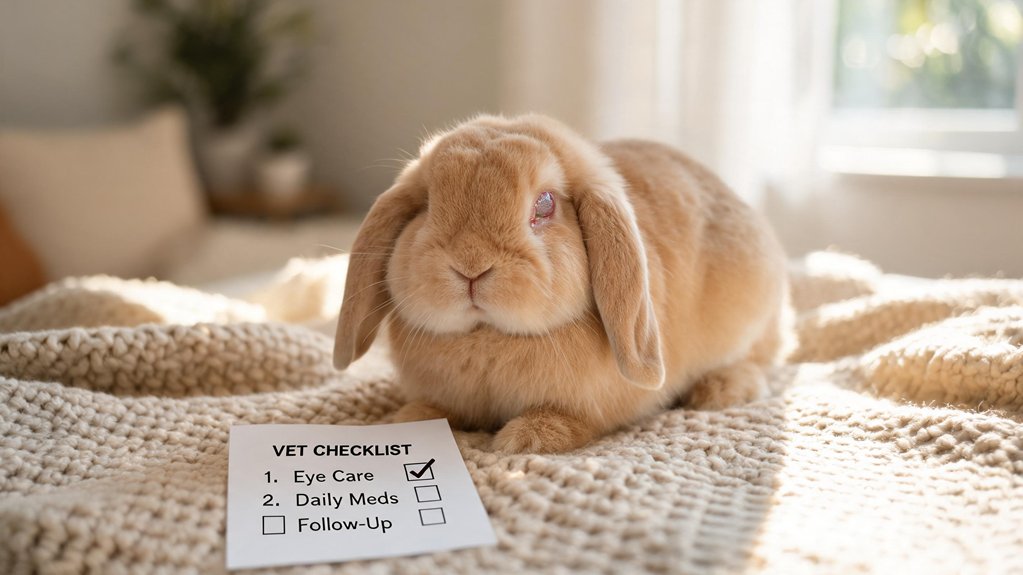
Once your rabbit-savvy exotic veterinarian confirms the underlying cause of the eye discharge—whether it’s infectious conjunctivitis, an obstructed nasolacrimal duct, or irritation on the eye surface—they will develop a comprehensive treatment plan designed to address both immediate symptoms and the root problem.
The first line of treatment involves prescribed topical broad-spectrum antibiotic eye drops, carefully selected based on culture and sensitivity testing, to effectively combat bacterial infections presenting as eye discharge.
If the veterinarian determines that the infection has become more widespread or severe, they may prescribe systemic antibiotics to ensure thorough infection control.
For cases where tears are unable to drain properly due to a blocked or damaged nasolacrimal duct, the vet will perform gentle flushing of the duct using sterile saline, typically repeating this procedure every 2 to 3 days until the irrigations produce clear, unobstructed flow.
In addition to these interventions, professional cleaning to remove crusts, application of artificial tears or lubricants to soothe the eye surface, and close monitoring for ulcer development are integral to the treatment plan.
It is critically important to seek immediate veterinary care if your rabbit shows any signs of declining health, such as loss of appetite or inability to defecate, as these symptoms indicate a potential emergency.
Implementing this targeted, solution-focused treatment strategy ensures your rabbit receives effective relief from eye discharge while addressing the underlying causes, promoting quicker recovery, and preventing future complications.

EYE HELP NOW - Clincally proven for soothing relief of eye irritations, infections, allergies, runny, dry eyes, allergies, and itchy eye - without using antibiotics. See...
Safe Supportive Care at Home for Rabbit Eye Discharge
While your rabbit is being seen by a rabbit-savvy exotic veterinarian, you can usually provide gentle, safe, supportive care at home to help keep the eye comfortable and prevent additional irritation.
Use sterile saline solution or cooled, boiled water on soft gauze or a clean cotton pad for effective eye cleaning.
Gently wipe from the inner corner outward, using a separate, fresh pad each time, and ensure that all materials are kept separate for each eye to prevent cross-contamination.
To remove crusts, apply a warm, damp pad to the periocular skin for 10 to 30 seconds before carefully wiping the area.
It’s crucial to avoid scrubbing, applying pressure on the eyeball, or digging inside the eyelids, as these actions can cause further discomfort or damage.
Keep your rabbit’s fur dry by gently patting the skin around the eye, and perform cleaning at least once daily to maintain proper hygiene.
Additionally, monitor your rabbit’s overall health by observing its appetite and bowel movements regularly.
These supportive care techniques help manage eye discharge effectively and promote underlying recovery, ultimately improving your rabbit’s comfort and visual health until professional treatment can be provided.
Prevention Tips for Avoiding Recurrent Rabbit Eye Problems
Now that you’re handling the discharge safely at home, it’s essential to focus on preventive measures to reduce the risk of recurrent eye problems in your rabbit.
Maintain a clean, dry environment by frequently changing bedding and utilizing dust-free, non-irritant materials to create a healthier living space.
Incorporate low-dust hay, ensuring it isn’t constantly poking near your rabbit’s eyes, which can help minimize irritation and prevent further issues.
Limit exposure to environmental triggers such as smoke, strong chemicals, and cold drafts, which can exacerbate eye conditions.
Feed your rabbit a balanced, hay-based, high-fiber diet rich in essential nutrients.
Supplement with leafy greens that provide vitamin A, supporting eye health and immune function.
Always ensure fresh, clean water is available to promote hydration and overall wellness.
Closely monitor your rabbit daily for signs of redness or new discharge, acting promptly if symptoms reappear.
Avoid sharp toys, rough handling, and aggressive interactions with other rabbits to prevent traumatic injury or stress-related eye problems.
For tailored advice and to ensure the safety and health of your pet, consult a rabbit-savvy exotic veterinarian, who can recommend specific prevention strategies and early intervention techniques to maintain your rabbit’s ocular health effectively.

🐾 DAILY EYE SUPPORT FOR DOGS & CATS: Give your pet complete everyday eye care in just a few drops. Our dog eye drops and cat eye drops help support clear-looking eyes while soothing dry eyes, itchy eyes, watery eyes, redness and everyday irritation. A reliable pet eye drops solution to help keep your furry friend’s eyes clean, refreshed and comfortable

Daily Cleaning - This eye drop for dogs and cats is suitable for daily eye care of pets, removes tear stains and smudges, restores the shine of the hair around the eyes and soothes canine, feline, and dog eye infection treatments, itchy foreign body discharge and other symptoms

Lubricating Solution with Viscoadaptive Biopolymers: I-DROP VET PLUS is a leader in ocular surface disorder (OSD) management, providing a safe and effective formula that refreshes and stabilizes the tear film. Its viscoadaptive biopolymers offer long-lasting lubrication for dogs, cats, horses, and other companion animals with dry eyes.
Recovery Outlook for Cloudy Eyes and Chronic Weepy Eyes
If your rabbit’s eyes appear cloudy or they keep watering, the prognosis largely depends on the underlying cause, as “weepy” eyes can stem from a variety of health issues. Early intervention is crucial; when cataracts are diagnosed and treated promptly, and infections such as conjunctivitis are effectively managed, the chances for successful recovery are significantly improved.
Cloudy or weepy eyes in rabbits vary in cause, so early, vet-guided treatment greatly improves recovery chances.
Surgical removal of the cloudy lens can often restore the rabbit’s eye comfort and, in some cases, their residual vision, especially if the procedure is performed before damage to drainage pathways or optic structures occurs.
However, if the condition involves more severe or progressive issues like glaucoma, chronic tear-duct infections (dacryocystitis), or advanced Encephalitozoonosis, the outlook becomes guarded or poor.
To give your rabbit the best chance at recovery, act swiftly by consulting a rabbit-savvy exotic veterinarian who specializes in ophthalmology. Monitoring for signs such as a sudden appetite drop or lack of bowel movements for 12 hours is critical.
Prompt diagnosis and treatment not only help preserve eye health but also support your rabbit’s overall well-being, ensuring the best possible outcome.
Frequently Asked Questions
Can One Eye Runny Lead to a Worse Respiratory Infection?
Yes, about 20% of rabbits with pasteurellosis exhibit conjunctivitis, and a runny eye can serve as a sign that a broader respiratory infection is spreading via the tear–nose duct. Early detection is crucial to prevent worsening health conditions.
If you notice a rabbit with a runny eye, it’s essential to consult a veterinarian who specializes in exotic and small mammals immediately. Prompt diagnosis and treatment can help manage the infection and prevent complications.
Don’t wait—if your rabbit stops eating or pooping for 12 hours, seek urgent veterinary care to address potential respiratory issues before they develop into more severe health problems. Investing in professional veterinary evaluation and targeted treatment plans can ensure your rabbit’s swift recovery and long-term health.
What Does Clear Vs Thick Yellow Discharge Mean in Rabbits?
Clear, watery discharge in rabbits typically indicates issues such as tear duct blockage, dental problems, or ocular irritation. This type of discharge can be a sign of underlying health concerns that require prompt attention to prevent worsening conditions.
In contrast, thick yellow, green, or white mucopurulent discharge suggests significant inflammation or infection, often associated with conditions like conjunctivitis (ocular inflammation) or dacryocystitis (lacrimal sac infection). These symptoms indicate a more severe situation that needs immediate veterinary intervention.
For pet owners, recognizing these differences is crucial to maintaining your rabbit’s eye health. If you notice clear watery discharge, consult a veterinarian experienced with exotic animals to diagnose and treat the underlying cause, such as tear duct issues or dental misalignments.
If the discharge appears thick, colored, or is accompanied by swelling, redness, or discomfort, seek urgent care from a specialized rabbit-savvy or exotic animal veterinarian. Early diagnosis and appropriate treatment, including medication or therapy, can significantly improve your rabbit’s comfort and prevent further complications.
Should I Clean My Rabbit’s Eye With Saline or Something Else?
Yes, Use sterile 0.9% ophthalmic saline solution, which is specifically formulated for safe eye irrigation in small animals like rabbits. An effective method is to gently wipe the rabbit’s eye with a clean, sterile gauze soaked in warm saline, ensuring the saline is at a comfortable temperature for your pet. Focus on wiping from the inner corner of the eye outward to remove debris and prevent irritation.
If your rabbit’s eye appears cloudy, shows signs of pain, or if matting or discharge persist despite cleaning, it is crucial to consult a rabbit-savvy exotic veterinarian. Persistent eye issues may indicate underlying health problems that require professional diagnosis and treatment. Using quality ophthalmic saline for routine cleaning can help maintain eye health, but professional veterinary intervention is essential for persistent or severe symptoms.
How Quickly Should I See Improvement After Vet Treatment?
You should see some noticeable improvement within 2 to 5 days after veterinary treatment, including reduced eye discharge, diminished redness, and clearer vision. Monitoring your rabbit’s recovery closely during this period is essential to ensure proper healing and comfort.
If symptoms worsen, such as increased discharge, swelling, or signs of pain, or if you observe no significant change by day 3 to 5, it is crucial to contact your rabbit-savvy exotic vet promptly for a recheck. Early intervention can prevent complications and promote faster, more effective recovery, ensuring your pet’s eye health is restored efficiently through professional guidance and targeted treatment.
When Is Cloudy Eye Most Likely Corneal Damage, Not Cataracts?
Cloudy eye most likely signals corneal damage rather than cataracts, especially when it appears suddenly and is accompanied by pain, tearing, redness, or squinting. Indicators of corneal injury include a blue-white haze, pits, rough plaques, and other irregularities on the corneal surface. Prompt diagnosis and treatment are essential to prevent further damage and preserve vision.
Cataracts, on the other hand, tend to develop gradually over time, with minimal discomfort or noticeable symptoms in the early stages. If you notice a sudden change in eye clarity or experience discomfort, it’s crucial to seek immediate eye care. An accurate assessment by an eye specialist can determine whether corneal damage or cataracts are causing your symptoms and guide you toward effective treatment options for optimal eye health.