If your rabbit’s urine looks pale yellow to amber, that’s usually normal. Orange, rust, or even reddish tones can happen from diet pigments such as carrots, spinach, or berries, and from darker urine when dehydration concentrates it. Make sure to offer fresh, room-temperature water right away.
White or cloudy urine often comes from calcium or calcium “sludge.” But if the urine stays red-brown, has clots, your rabbit is straining, or only passes a few drops, call a vet fast. If you want, you can keep learning how vets check it.
Swift Summary
- Rabbit urine normally ranges from pale yellow to amber, and orange or rust tones can still be normal.
- Red or pink urine may be pigmenturia from plant pigments or oxidation, not necessarily true blood.
- Dipstick “blood” detects heme, so confirm with urine sediment microscopy to distinguish hematuria from pigment contamination.
- Cloudy urine can result from calcium buildup or concentration from mild dehydration, so hydration is often a key factor.
- Watch for urgency signs like very dark brown urine, reduced urination, pain, or blood at the vulva/penis.
Rabbit Urine Colors: Quick Normal Guide
When you check your rabbit’s urine, think “color, texture, and how your bunny feels”—because understanding the *normal* urine characteristics can help you identify potential health concerns early.
So, what color rabbit urine should you expect? Typically, it ranges from pale yellow to amber, with some rabbits showing orange, brown, or reddish hues. Recognizing these variations is crucial for maintaining your rabbit’s health and ensuring prompt intervention if needed.
Rabbit urine typically appears pale yellow to amber—sometimes orange, brown, or reddish—so track color changes for early health clues.
Why is rabbit pee sometimes red? Plant pigments combined with normal urine pigments can create a brick-red appearance. Additionally, urine darkens upon oxidation when exposed to air, which can influence its color.
On the other hand, rabbit urine can appear white, often due to the excretion of excess calcium. This results in cloudy, milky, or chalky white residues, which are generally normal but should be monitored for changes. Because urinary calcium build-up is common in rabbits, cloudy or chalky deposits can also reflect irritation risk.
However, if your rabbit shows signs of lethargy, refuses to eat, or hasn’t pooped for 12 hours, it’s essential to consult a rabbit-savvy exotic veterinarian immediately. Regularly observing urine color, texture, and your bunny’s behavior helps ensure early detection of health issues, promoting a happy and thriving pet.

10-PARAMETER PET URINALYSIS: Dog and cat urine test strips measure glucose, ketones, protein, pH, blood, bilirubin, urobilinogen, specific gravity, leukocytes and nitrite.

One Step 10 parameter urine test strips: Test your pet’s levels of Leukocytes, Glucose, Bilirubin, Ketones, Specific Gravity, Blood, pH, Protein, Urobilinogen, and Nitrite in urine. This can help monitor conditions like dog or cat UTI or blood sugar irregularities. Check out our full-length instructional video detailing how to use this cat & dog urine pH test before conducting the test.

Natural sand is heavy, to avoid high costs as a result of shipping and logistics, and after many years of testing, we arrived at an optimized amount of sand that is enough for the vast majority of cats to use once, yet still remains affordable. The amount of sand supplied in the 3 bags is meant for a one-time use all at once.
Is Orange Rabbit Urine Normal? Quick Triage
Is orange rabbit urine normal for your bunny? In many cases, yes.
First, ask yourself why is my rabbit’s pee orange, and consider what rabbit urine is supposed to look like. Normal rabbit urine can range from pale yellow, yellow, orange, amber, to even reddish tones.
If your rabbit is eating, pooping, and urinating normally, then the orange pee often results from natural plant pigments or porphyrins, not blood. This means orange color alone is not enough to diagnose blood in the urine.
Popular dietary sources such as carrots, spinach, dandelions, cabbage, berries, and fir leaves can cause this coloration.
Next, observe the urine’s consistency; it may appear cloudy due to calcium buildup.
If you notice your rabbit straining to urinate, drinking less water, or not eating or pooping for 12 hours, it’s crucial to consult a rabbit-savvy exotic veterinarian immediately.
Understanding these signs and maintaining a balanced diet are essential for your bunny’s urinary health.
Using high-quality hay, vegetables, and water can prevent abnormal urine colorations and potential health issues.
If in doubt, seek professional veterinary advice to ensure your rabbit’s urinary system remains healthy and problem-free.

PREMIUM QUALITY: Lixit water bottles have been a standard for over 35 years. It features a thick high quality water bottle that is BPA free.

Great for small animals: pet hamsters, rats, and small birds will love this Lixit critter Brites water bottle!

Spring attachment hanger and floating duck
Red Or Pink Rabbit Urine: Pigment Or Blood?
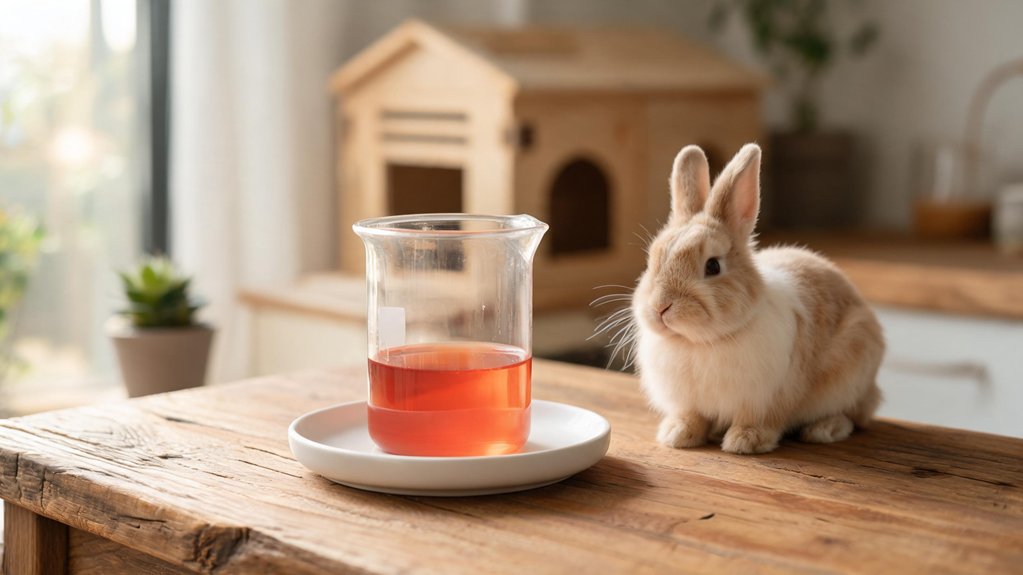
If your rabbit’s urine appears red or pink, it’s crucial to determine whether the coloration is due to pigmented compounds or actual blood (hematuria). Pigmenturia typically manifests as a uniform pink or red hue in clear or slightly cloudy urine and is often linked to recent dietary changes, environmental factors, or pigment-rich foods that can temporarily color the urine without indicating a health problem. not always blood. In contrast, hematuria usually presents with noticeable specks, streaks, or small blood clots within the urine, often concentrated near the end of urination. You may also observe blood at the vulva or penis, indicating more serious underlying issues such as urinary tract infections, bladder stones, or other health concerns requiring prompt veterinary intervention.
To accurately diagnose, use a urine dipstick test designed for blood detection, which provides a quick and reliable initial assessment. For definitive results, consult with a rabbit-experienced exotic veterinarian who can perform microscopic sediment analysis to directly identify red blood cells. This laboratory testing helps you distinguish between benign pigmentation and serious bleeding.
If your rabbit exhibits additional signs such as loss of appetite, decreased urination, or if your rabbit hasn’t eaten or pooped for over 12 hours, consider this an emergency. Immediate veterinary consultation is essential to prevent potential complications and ensure your rabbit receives appropriate treatment. Prioritize swift action and professional guidance to maintain your rabbit’s health and well-being.

VET-FORMULATED URINARY SUPPORT: Promote urinary tract health in rabbits, guinea pigs, and small pets with a veterinarian-developed blend of cranberry, astragalus root, pumpkin seed, and dandelion leaf for bladder and kidney wellness.

Low calcium content to support urinary health

URINARY SUPPORT SUPPLEMENT FOR SMALL PETS: Supports healthy urinary tract and kidney function for rabbits, guinea pigs, and chinchillas. Designed for easy doses and can be part of daily care routines.
Distinguish Pigment From Hematuria
Red or pink rabbit urine usually results from either pigmenturia—the presence of color pigments from food byproducts or environmental factors—or hematuria, which indicates actual blood originating from the urinary tract. To accurately diagnose your rabbit’s condition and prevent potential urine scald, it’s essential to evaluate the context carefully before taking action.
Start by ensuring your rabbit has a normal diet and observing for typical poops, as these can provide clues about overall health. Next, consult your exotic animal veterinarian who specializes in rabbit health for appropriate testing. A dipstick test can be used as an initial screening tool—it detects blood markers but may produce false positives, so don’t rely solely on its results. To confirm hematuria, microscopic analysis allows you to identify red blood cells within the urine sample, providing a definitive diagnosis.
Utilize centrifugation to differentiate between pigmenturia and hematuria effectively; red blood cells in the sediment indicate hematuria, whereas the pigment typically remains in the supernatant. Additionally, employing a Wood’s lamp can help detect porphyrins—urinary pigments that fluoresce under UV light—further clarifying the cause of urine discoloration.
Addressing these issues with accurate testing ensures tailored treatment options, promotes your rabbit’s wellbeing, and prevents unnecessary discomfort or complications.
Spotting Clots Vs Uniform Color
When examining your rabbit’s urine, the pattern and color can provide crucial clues about their health. Red or pink urine with a spotted or speckled appearance may indicate the presence of blood, known as hematuria, which could signal a urinary tract issue or injury.
Dark red flecks, streaks, or clots tend to be indicators of true blood contamination, especially if these spots cluster toward the end of urination. Recognizing these signs early allows for prompt treatment and can prevent more serious complications.
In contrast, if the entire stream of urine appears uniformly pink, red, orange, or brown without any strings, flecks, or clots, it often points to dietary pigments, such as food dyes or certain vegetables, impacting urine coloration.
Such discoloration is usually harmless but still warrants monitoring. However, persistent or unusual urinary changes—especially if your rabbit strains, skips pellets, or refuses to eat or poop for more than 12 hours—should prompt immediate consultation with a specialized exotics veterinarian.
Timely veterinary intervention is essential for diagnosing underlying issues, administering appropriate treatments, and ensuring your rabbit maintains optimal urinary and overall health.
Use Dipstick And Microscopy
So, you can’t always tell “blood versus pigment” just by looking—especially when observing red or pink rabbit urine. Using a dipstick test initially can provide valuable clues, but it shouldn’t be considered definitive proof.
The blood pad on the dipstick reacts to hemoglobin or myoglobin activity rather than intact red blood cells, so a positive result indicates the presence of these substances but doesn’t confirm bleeding.
To accurately diagnose the cause of the urine discoloration, follow up with urine sediment microscopy, which remains the gold standard for confirmation. After gentle centrifugation of the urine sample, examine the sediment for a red or brown pellet and the presence of intact red blood cells or ghost cells.
If microscopy reveals very few or no red cells, yet the urine appears red-orange in color, this likely indicates porphyrin or plant pigment contamination rather than true hemorrhage.
In cases where your rabbit exhibits anorexia or non-productive straining or pooping for more than 12 hours, treat the situation as an emergency. Immediate consultation with a rabbit-savvy exotic veterinarian is crucial to prevent severe complications.
Utilizing a combination of dipstick testing and urine microscopy ensures accurate diagnosis and enables targeted treatment, helping to improve outcomes for your rabbit.
Hematuria Vs Pigment: Dipstick Check Steps
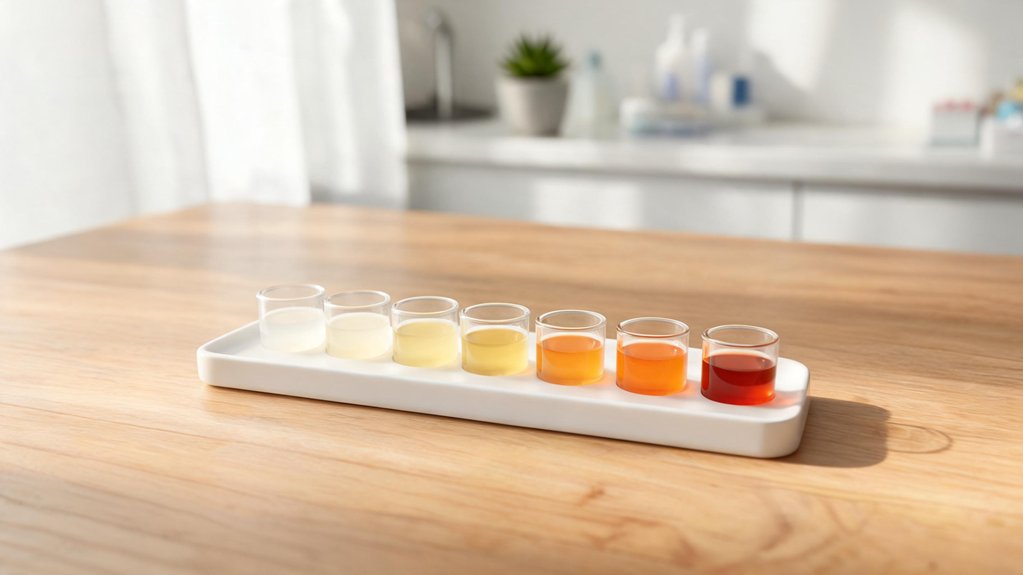
Before you panic about “hematuria,” which indicates the presence of blood in your rabbit’s urine, versus “pigmenturia,” where the discoloration results from plant or other pigment deposits, perform a quick, accurate dipstick analysis.
Start by collecting a fresh urine sample using a clean container, ensuring it’s free from contaminants such as litter, bedding, or disinfectants. Aim for approximately 1 milliliter of urine to sufficiently wet every pad of the dipstick test strip, providing reliable results.
Note the recent dietary intake, especially if your rabbit has eaten carrots, beets, or dark leafy greens, as these can influence urine color. When logging recent intake, also record any treats given, since Oxbow rabbit treats are meant to be safe occasional rewards rather than a regular part of the diet.
Once collected, immersively and swiftly dip the strip into the urine sample, holding it level to prevent runoff and excess. Immediately shake off any surplus liquid and read each designated pad precisely at the time indicated on the strip’s label to ensure accuracy.
A positive blood indicator on the test suggests the presence of heme, which may require urgent veterinary attention.
Conversely, a diffuse orange or red coloration on the strip, coupled with a negative blood pad, indicates pigmenturia originating from dietary pigments or environmental factors.
If your rabbit shows signs of reduced appetite, lethargy, or hasn’t urinated or defecated within 12 hours, it’s critical to contact a specialized exotics veterinarian promptly.
Accurate dipstick testing coupled with professional evaluation can help determine the underlying cause—whether hematuria or pigmenturia—and facilitate timely, targeted treatment for your pet’s health and recovery.

Specially processed to eliminate dust and wood debris found in other brands

COMPLETE NUTRITION IN EVERY BITE: Oxbow EVERYBite foods are thoughtfully formulated to deliver balanced, complete nutrition in every serving; Each bite ensures your rabbit receives the essential nutrients needed for long-term health and daily well-being

This formula uses whole natural ingredients and supplements to provide complete and balanced nutrition that covers all of your rabbits needs for a healthy and active lifestyle in every bite - no selective feeding of colorful treats.. This includes:
When Red/Brown Rabbit Urine Is An Emergency
Red or brown rabbit urine can be very concerning, but it should be treated as an emergency right away if you suspect it’s true blood (hematuria) rather than harmless food pigment.
Spotting persistent opaque red or brown urine, blood strands, or clots that last over multiple litter box visits indicates a serious issue requiring immediate veterinary attention.
If your rabbit’s urine remains visibly discolored, and you notice additional signs such as pain, loud teeth grinding, hunching, shallow breathing, straining, or only passing a few drops of urine, act promptly by contacting a rabbit-savvy exotic veterinarian.
These symptoms could point to critical conditions like bladder stones, severe urinary tract infections, or uterine disease, all of which demand urgent diagnosis and treatment.
Moreover, if your rabbit refuses to eat or hasn’t pooped for more than 12 hours, seek emergency veterinary care without delay.
Early intervention can prevent life-threatening complications and restore your rabbit’s health.
When managing potential urinary issues or reproductive system diseases in rabbits, prompt expert evaluation and targeted treatment options are essential for ensuring recovery and long-term well-being.
White Or Cloudy Rabbit Urine: Calcium Vs Sludge
White or cloudy rabbit urine is often just normal calcium carbonate sediment, which can appear creamy or chalky but remains easy for your rabbit to pass. This sediment is a common indicator of healthy calcium metabolism, but it’s essential to monitor any changes in urine appearance and consistency.
However, if you notice thick, paste-like white urine, gritty particles, or if your rabbit is straining, adopting a painful posture, or repeatedly checking the litter box, these signs may indicate bladder sludge. Bladder sludge is a serious condition that can irritate your rabbit’s bladder lining and potentially cause painful scalding.
Prompt diagnosis and treatment are crucial; if your rabbit stops eating or pooping for more than 12 hours, treat this as an emergency and contact a rabbit-savvy exotic veterinarian immediately. Investing in high-quality, specialized rabbit urinary health products, such as urine pH monitors or dietary supplements formulated to prevent sludge, can support your rabbit’s bladder health and prevent urinary complications.
Regular veterinary check-ups and appropriate hydration are key strategies in maintaining healthy, clear urine and avoiding costly health issues.

10-in-1 UTI Test Kit: Professionally analyze 10 vital parameters – leukocytes, nitrite, urobilinogen, protein, pH, blood, and more in the urine of most pets. Always provide quick, real-time measurements for routine health checks or diabetes management

Why PetTest - Our UTI Strips are specially formulated for accurate and early detection of a UTI in your dog or cat. They give you accurate results at home, fast, using urine test strips for infection detection. Then see your vet to treat early and help prevent health complications.

10-IN-1 Accurate Screening: Our 10-parameter pet urine test kit instantly detect ketones,glucose,nitrites, Leukocytes,Urobilinogen,Protein,Blood,Specific Gravity,Bilirubin and pH levels
Normal Calcium Cloudiness
Noticing a little cloudiness in your rabbit’s urine can seem concerning, but it’s often a normal occurrence related to calcium excretion. This cloudiness typically results from calcium carbonate crystals, which are common in rabbit urine because their urine remains alkaline. These tiny chalky crystals suspend easily, causing the urine to appear cloudy or milky and often leaving a white residue after drying.
If your rabbit passes urine easily and the urine isn’t thick, gritty, or paste-like, this calcium cloudiness generally indicates healthy calcium metabolism. To support consistent and healthy calcium excretion, ensure your rabbit’s diet includes high-quality, balanced grass hay, careful portions of leafy greens rich in calcium, and fresh, clean water.
Regular monitoring of your rabbit’s urinary health can prevent potential issues and promote overall well-being.
If you notice any other signs of distress or abnormal urine characteristics, such as persistent grit, thickening, or discomfort, contact a rabbit-savvy exotic veterinarian promptly.
Providing the right diet, hydration, and veterinary guidance ensures your rabbit’s urinary health remains optimal, reducing the risk of urinary tract problems and supporting a long, healthy life.
Signs Of Bladder Sludge
If your rabbit’s urine appears more than just slightly cloudy, you’ll quickly notice the difference—bladder sludge tends to look thick and paste-like, rather than watery. Look for gritty, sandy particles and gray-white chalky deposits drying on the fur or cage floors, which are common signs of bladder sludge buildup. Early detection of these symptoms is crucial to prevent further health complications.
Be vigilant for signs of discomfort or difficulty during urination, such as straining, passing only tiny, thick drops, or even dribbling urine that causes puddles. Visible flecks, blood in the urine, a strong foul odor, and wet, matted fur around the tail are additional indicators that your rabbit may be experiencing bladder issues.
Pay close attention to behavioral signs of pain, including tooth grinding, vocalization, a hunched posture, or a sudden decline in appetite.
If your rabbit stops eating or defecating for more than 12 hours, consider this an urgent medical emergency. Immediate consultation with an exotic or small-animal veterinarian is essential to diagnose and treat bladder sludge effectively. Prompt intervention, including dietary adjustments and potential medication, can prevent severe complications, improve your rabbit’s comfort, and restore healthy urinary function.
Chalky Residue On Fur: Calcium Salts Or Blockage?
Have you noticed a dry, chalky-looking residue on your rabbit’s fur, particularly on the inner thighs, tail base, or hocks? That “chalk” often results from dried calcium salts present in normal, calcium-rich urine. When urine dries, it leaves behind a thin crust that can appear white, beige, or gray, signaling potential dehydration or high calcium levels in your rabbit’s diet. During heavy molting, loose fur can trap urine residue, so check the coat often, and ask your vet whether coat health supplements are appropriate during shedding season.
However, if you observe thick, grainy, pasty urine, or notice your rabbit straining to urinate, experiencing urinary leakage, or developing matted, wet fur around the urinary area, these are signs of bladder sludge. Bladder sludge occurs when calcium crystals accumulate and sit in the bladder for extended periods, increasing the risk of stone formation and urinary blockages.
Promptly address these symptoms by consulting a rabbit-savvy exotic veterinarian who specializes in small mammals. If your rabbit refuses to eat or defecate for more than 12 hours, treat it as an emergency.
To prevent recurrence and promote urinary health, consider dietary adjustments such as reducing calcium-rich greens and providing fresh, plenty of water, alongside routine veterinary checkups. Implementing these solutions can help manage calcium buildup, prevent urinary obstructions, and ensure your rabbit’s optimal health and comfort.

Ships in random colors magenta, lime green, and orange

Spend Less Time Refilling: Refill water directly from the top without removing the bottle from the crate. Keep fresh water available while making daily care faster and easier.
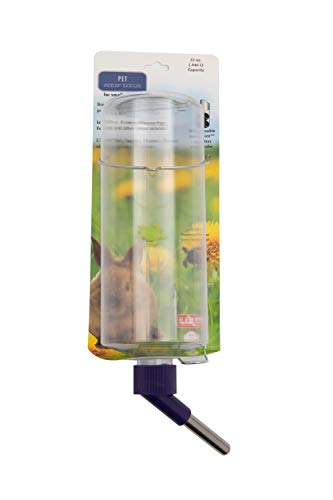
PREMIUM QUALITY: Lixit water bottles have been a standard for over 35 years. It features a thick high quality water bottle that is BPA free.
Dehydration: How It Shifts Rabbit Urine Yellow
Dehydration can cause your rabbit’s urine to shift from pale yellow toward darker yellow, amber, and sometimes orange hues.
When your rabbit doesn’t receive adequate water intake, their urine becomes more concentrated, intensifying the usual yellow pigments and making the color deeper and more alarming.
You’ll notice less urine in the litter box as well, which is a clear indicator of dehydration.
Hot weather conditions or limited access to fresh water can accelerate this dehydration process rapidly.
If the urine turns a very dark brown, it should be treated as an urgent sign of potential health issues.
To prevent severe dehydration, ensure your rabbit always has access to clean, fresh water.
Monitoring your rabbit’s hydration levels is essential, and addressing early signs of dehydration with proper hydration solutions and vet-approved hydration solutions can make a significant difference.
If your rabbit isn’t eating, drinking, or pooping for 12 hours, this is an emergency.
Contact a rabbit-savvy exotic veterinarian immediately for professional care and to prevent serious health complications.

SUPPORTS DIGESTIVE HEALTH IN RABBITS & GUINEA PIGS: Helps maintain healthy digestion in rabbits & guinea pigs; ideal for pets with sensitive stomachs or prone to GI stasis, promoting better gut motility, nutrient absorption, & overall digestive wellness

Promotes a Balanced Gut Microbiome – Infused with probiotics, prebiotic fiber (oat + inulin), and soothing herbs like fennel & mint to naturally support regular, comfortable digestion — all in a tasty banana chew your small pet will actually want to eat!
Bladder Sludge & Calcium Stones: Key Signs
Bladder sludge and calcium stones can cause your rabbit’s urine to shift from a normal yellow hue into a gritty, sandy, thick, or even bloody consistency. Watch for warning signs such as a strong, pungent odor, darker urine, and visible suspended grit, which indicates the presence of sludge—a thick, pasty, cloudy urine that signals urinary tract issues. Recognizing these symptoms early is crucial for prompt intervention to prevent worsening health problems.
Dense, beige-to-brown or beige-to-white cream-like deposits in the urine suggest calcium buildup, often manifesting as cloudy urine due to calcium carbonate crystals.
The appearance of red, blood-tinged urine, known as hematuria, typically points to larger bladder or urethral stones that may require immediate veterinary attention.
You might also observe urine dribbling on the back legs, matted fur around the genital area, and signs of urine scald like red, inflamed, or ulcerated skin.
Additional behavioral or physical signs include straining during urination, frequent small peeing episodes, a hunched posture, teeth grinding, and a wet, chalky stain around the genital area.
These symptoms indicate intense discomfort and possible urinary blockage. It’s vital to seek a rabbit-savvy exotic veterinarian urgently for an accurate diagnosis and effective treatment plan.
If your rabbit stops eating or pooping for more than 12 hours, treat the situation as a medical emergency to prevent life-threatening complications.
Early detection combined with professional intervention can significantly improve your rabbit’s recovery and overall well-being.

Superior Absorbency for Better Odor Control: The high-density pine pellets provide enhanced absorbency, ensuring superior control of odors while reducing the frequency of bedding changes. These pellets absorb more moisture per pellet compared to traditional bedding materials, making them an effective choice for keeping your pet's space fresh and clean for longer periods of time.

Top rabbit food of choice by local veterinarians and caring rabbit owners across the country

NUTRIENT DENSE FOR ALL: Crafted to meet the dietary needs of all your furry friends, our rabbit pellets are packed with essential nutrients, perfect for bunnies of all ages. From baby bunnies to mature rabbits, we've got their nutrition covered!
How To Collect A Rabbit Urine Sample For Testing
When your rabbit’s urine needs testing, you can often collect a sample at home first, as it’s quicker and gentler than going directly to the veterinary clinic. This proactive approach allows you to provide timely information to your exotic veterinarian, helping to diagnose potential health issues such as urinary tract infections, kidney problems, or bladder stones.
Begin with a free catch sample during spontaneous urination in a clean, dry enclosure or tray. Remove any absorbent bedding materials to prevent contamination.
Instead, use a non-absorbent liner like bare plastic, plastic wrap, or an incontinence pad with the non-absorbent side facing up to facilitate urine collection.
Immediately after your rabbit voids, transfer the urine using a sterile syringe or dropper into a clean, sealable container.
Keep the sample refrigerated if you plan to deliver it to your exotic veterinarian for testing, ensuring the sample remains uncontaminated and viable.
Since home-collected samples aren’t sterile, always consult a rabbit-savvy, exotics veterinarian for accurate interpretation and further testing.
Important: If your rabbit stops eating or pooping for more than 12 hours, this is a veterinary emergency requiring immediate professional intervention to prevent severe health complications.
Diet Causes Of Orange, Red, And Cloudy Rabbit Urine
Diet often explains a significant portion of the unusual urine colors observed in rabbits, and it’s the first factor to evaluate before panicking.
Plant pigments from vegetables, herbs, and even specific types of hay can tint your rabbit’s urine in shades of orange, rust, brown, or red, without indicating blood presence.
For example, carrots and dandelion greens are known to produce bright orange hues, while spinach, cabbage, and broccoli contain plant pigments that break down into red “porphyrin” colorants, leading to red or brown urine.
Monitoring your rabbit’s urine color can be a helpful diagnostic tool.
If you notice cloudy, white, or milky urine, this often results from excess dietary calcium, often associated with alfalfa hay and pellet feeds high in calcium content.
Ensuring a balanced diet with appropriate hay and fresh greens can help prevent calcium buildup and reduce cloudy urine.
In addition to diet adjustments, it’s crucial to observe your rabbit’s overall health.
If your rabbit stops eating or pooping for more than 12 hours, it’s vital to seek prompt veterinary care from a rabbit-savvy exotic vet.
Addressing potential dietary causes and seeking early intervention can prevent serious health issues and promote your rabbit’s well-being and longevity.
Always tailor your rabbit’s diet to support optimal urinary health, and consult a veterinarian for personalized dietary recommendations.
Prevent Repeat Rabbit Urine Color Changes With Hydration
Keep fresh, clean water within your rabbit’s reach throughout the day to promote steady hydration. Pale-colored urine is a reliable indicator that your rabbit is well-hydrated, supporting overall urinary health.
If you’ve noticed dark orange, red, cloudy, or gritty urine, it’s essential to encourage consistent water intake, which should be approximately 50 to 150 mL per kilogram of body weight daily. Regularly refreshing the water supply prevents it from becoming dirty or stale, which can discourage your pet from drinking.
Maintaining optimal hydration not only helps improve urine clarity but also aids in flushing out excess pigments and salts that can lead to problematic urine color spikes. Adequate water intake and hydration support your rabbit’s urinary system health, reducing the risk of pain and heat scalding caused by concentrated urine.
Investing in high-quality, easy-to-access water bottles or bowls and ensuring daily water changes are effective steps to prevent recurrent urine discoloration and promote your rabbit’s comfort and well-being.
Encourage Consistent Water Intake
Consistent water intake is one of the most effective strategies to maintain healthy urine color and promote optimal hydration for your pet rabbit. Aim for approximately 1–2 ounces of fresh, room-temperature water per pound of your rabbit’s body weight daily, which translates to roughly 50–150 milliliters per kilogram. Ensuring your rabbit’s urine remains pale yellow or clear is a key indicator of proper hydration. If the urine appears amber or orange, it’s essential to offer fresh water immediately to prevent dehydration and potential health issues.
To encourage more water consumption, use a sturdy, heavy ceramic bowl placed on the floor, as rabbits tend to drink more from bowls than from water bottles. Position multiple water sources in high-traffic areas to make drinking convenient and accessible. Refresh the water at least once or twice daily to keep it clean and appealing.
Additionally, rinse leafy greens thoroughly before serving them moist to promote hydration from natural sources.
If your rabbit stops eating or pooping for 12 hours, treat it as an urgent medical emergency. Prompt veterinary attention is crucial to address potential underlying health issues such as gastrointestinal stasis or dehydration.
Flush Out Pigments And Salts
When your rabbit’s urine color fluctuates, it typically indicates that the pigment and salt load isn’t being effectively diluted and flushed out. To address this, ensure your rabbit remains well-hydrated by providing a steady supply of clean, fresh water.
Maintaining consistent hydration helps keep urine a pale yellow, preventing alarming discolorations such as intense orange, bright red, or cloudy white, which can signal underlying issues.
Enhance urinary health by offering your rabbit ample amounts of high-quality, hay-rich diets and moisture-dense leafy greens.
Regular daily water changes are essential to promote optimal flushing and prevent the buildup of harmful salts and pigments.
Be vigilant for thick, sandy, or creamy white urates, which often indicate calcium carbonate crystals and increase sludge formation risk.
Incorporate safe, stimulating play to encourage movement, which naturally aids in flushing out excess salts, and keep environmental and social stressors minimal to support overall urinary wellness.
If your rabbit stops eating or pooping for more than 12 hours, treat this situation as an urgent medical emergency.
Immediate consultation with a rabbit-savvy exotic veterinarian is critical to prevent life-threatening complications.
Implementing these proactive, hydration-focused strategies ensures your pet’s urinary health remains optimal, reducing the risk of serious conditions and supporting their overall well-being.
What Tests Might Vets Run If Rabbit Urine Won’t Normalize?
If your rabbit’s urine color or cloudiness won’t normalize, a rabbit-savvy exotic veterinarian typically follows a comprehensive diagnostic protocol rather than guessing. This step-by-step workup is essential to accurately identify underlying health issues affecting bladder and urinary tract health.
Initially, the veterinarian will gather a detailed medical history and conduct a thorough physical exam, focusing on hydration status, diet, and behavior.
They’ll perform a rapid urinalysis using dipsticks to assess specific gravity, pH, protein, and presence of blood or bacteria.
To further investigate, they may examine urine sediment under a microscope for blood cells, crystals, or infectious agents, which can indicate urinary infections or stones.
In cases where infection or blockages are suspected, the vet might collect urine via sterile cystocentesis to obtain a clean sample, confirming or ruling out urinary tract infections.
Blood tests are also crucial; they evaluate kidney function, detect inflammation, and measure calcium levels to identify metabolic or systemic causes of urinary issues.
Advanced imaging techniques, such as abdominal x-rays or ultrasound, play a vital role in visualizing sludge, calculi, or reproductive abnormalities that could cause persistent urinary problems.
These diagnostics help in formulating targeted treatment plans, whether that involves medication, dietary adjustments, or specialized procedures.
If your rabbit shows signs of not eating or pooping within 12 hours, it’s crucial to treat it as an emergency, seeking immediate veterinary intervention to prevent life-threatening complications.
For persistent urinary abnormalities, timely testing and diagnosis are key to restoring your rabbit’s health and ensuring long-term well-being.
Frequently Asked Questions
Why Does My Rabbit Get Urine Scald From Orange or Cloudy Pee?
You get urine scald when orange or cloudy urine keeps your rabbit’s perineum wet, which allows urine to irritate the skin then break it down into raw sores. The sludge from the urine clings to the rabbit’s fur longer, increasing the risk of skin damage and discomfort.
To prevent urine scald, it’s essential to maintain a clean, dry environment and regularly monitor your rabbit’s urination. If your rabbit refuses to eat or defecate for more than 12 hours, seek veterinary care from an exotic animal specialist immediately to address potential underlying health issues and prevent worsening of the condition. Using specialized cleaning products and protective ointments recommended by your veterinarian can also help protect your rabbit’s delicate skin and promote healing.
Should I Change My Rabbit’s Diet if Urine Color Keeps Returning?
Yes, consider changing your rabbit’s diet if the discolored urine persists. It’s essential to address potential dietary causes promptly to prevent aggravating urinary issues. Switch to primarily grass hay, such as timothy or orchard grass, which promotes proper digestion and urinary health.
Reduce the intake of alfalfa pellets and high-calcium vegetables like spinach or kale, as excessive calcium can contribute to urinary sludge or scald. Instead, increase the proportion of water-rich greens like romaine lettuce or cilantro to encourage hydration. Consulting a rabbit-savvy exotic veterinarian is recommended for persistent urinary problems, especially if signs of urinary scald or sludge are present, to ensure proper diagnosis and targeted treatment. Prioritize these dietary modifications to help maintain your rabbit’s urinary health and overall well-being.
How Can I Tell Urine Scald From Normal Skin Staining?
You’ll easily identify urine scald by observing specific signs such as red, moist, shiny, or oozy skin, along with fur loss, discomfort, foul odor, and expanding irritated patches around the genital and anal areas. These symptoms indicate ongoing skin irritation and rawness caused by prolonged exposure to urine.
In contrast, normal urine staining typically appears as dry fur discoloration on intact skin, without any associated soreness, raw spots, or signs of infection. To effectively prevent and treat urine scald, consider utilizing high-quality protective products such as specialized pet skin ointments, absorbent pads, or barrier creams designed to guard vulnerable skin areas.
Implementing targeted solutions like frequent cleaning, maintaining dry, hygienic conditions, and consulting with a veterinarian for advanced treatments can significantly reduce discomfort and promote skin healing. Recognizing the distinction between urine scald and normal staining allows you to choose the most appropriate, safe, and effective skin protection and care products, ensuring your pet’s well-being and comfort.
What Does “Urine Volume” Look Like in a Healthy Rabbit?
Funny how “normal” varies, but you can still spot it. In a healthy rabbit, observing urine volume and output frequency provides valuable insight into their well-being. Typically, a rabbit will produce urine about 2 to 8 times daily, with the volume closely matching their baseline hydration levels and water intake.
Monitoring these urine output patterns is essential for early detection of potential health issues. Consistent, normal urine volume indicates proper hydration and kidney function, whereas a sudden decrease or cessation of urination warrants immediate veterinary attention. Ensuring your rabbit has access to fresh water and using reliable, high-quality hydration products can help maintain optimal urine output and overall health. If urine output stops unexpectedly, seek emergency veterinary care to prevent complications and promote quick recovery.
My Rabbit Stopped Eating—Could Urine Color Changes Signal Obstruction?
Yes, if your rabbit stops eating, changes in urine color—such as orange-red, very cloudy, white-chalky, or gritty urine—can indicate bladder sludge or the formation of urinary stones, which pose a risk of urinary obstruction. Recognizing these signs early is crucial for prompt intervention.
If your pet rabbit goes 12 hours without eating or pooping, treat this as a veterinary emergency. Immediate consultation with a rabbit-savvy exotic veterinarian is essential to diagnose and address potential urinary blockages or underlying health issues.
Investing in specialized rabbit urinary health products and scheduling regular preventative checkups can help prevent urinary tract problems, ensuring your rabbit remains happy and healthy. Don’t delay—seek professional guidance now to maintain your rabbit’s well-being and avoid costly emergencies.