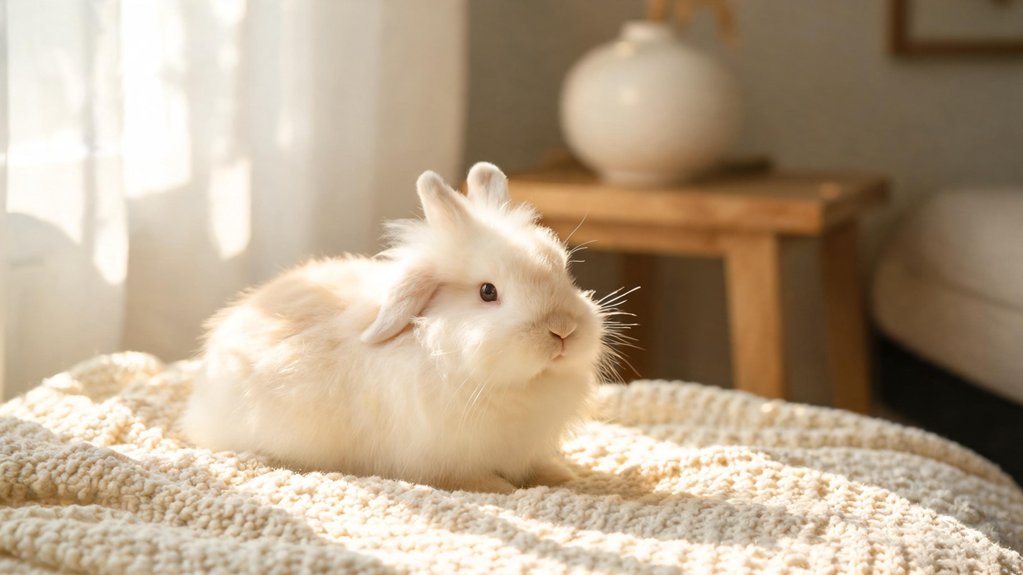
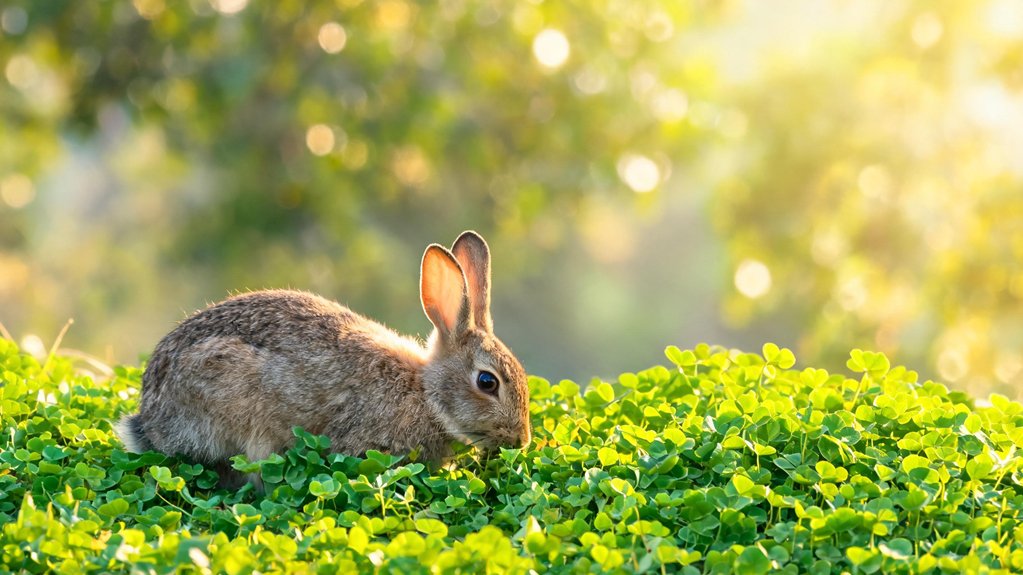
You can tell normal, rex, satin, and wool coats quickly. Normal fur has a dense undercoat plus longer guard hairs, so it lays down and then “flies back” after a gentle stroke.
Rex feels plush and velvety, with short hairs standing at about a 90° angle. It springs upright but flattens if you press it. Satin has a bright, glassy sheen from translucent guard hairs.
Wool or Angora grows long and airy, but it mats fast unless you brush often. Keep going for more tips.
Swift Summary
- Normal fur has dense undercoat plus longer, coarser guard hairs, creating a more variable texture and visible “fall back” after stroking.
- Rex fur features shortened guard hairs standing near a right-angle pile, giving a plush, velvety, uniformly consistent feel.
- Rex handling requires gentle brushing to avoid flattening; monitor for sore hocks on hard or wire floors.
- Satin fur shows a bright, glassy sheen from translucent guard hairs caused by the satin gene’s “light-pipe” effect.
- Wool/Angora fur grows longest and remains fluffy for fiber production, but needs regular grooming to prevent knots and matting.
What Each Rabbit Fur Type Looks and Feels Like
When you’re trying to picture a “fluffy rabbit,” the specific fur type is the key clue because each variety presents a distinct look and feel, which can significantly enhance your understanding of rabbit coat characteristics.
First, examine the different types of rabbit fur available. Normal fur features a dense undercoat combined with longer, coarser guard hairs. This type of coat typically stands upright, then either rolls back or snaps depending on the coat style, providing a versatile and resilient texture ideal for various uses. Recognizing this fur type is essential for selecting rabbits with durable, easy-to-maintain coats suited for both aesthetic appeal and practicality.
Normal rabbit fur has a dense undercoat and longer guard hairs, standing upright for a versatile, resilient, easy-to-maintain coat.
Next, consider Rex fur, which offers a plush, velvety texture. The guard hairs in Rex rabbits are notably shortened and stand close to a 90-degree angle from the body, giving the coat a smooth, consistent feel that’s soft to the touch. This specific genetic mutation that causes rexed fur is deliberately bred for in Rex rabbit lines. This fur type is highly sought after for its luxurious appearance and tactile quality, making Rex rabbits a popular choice for breeders and pet owners who prioritize high-quality, velvety fur.
Additionally, Satin fur is distinguished by its luminous, slightly translucent guard hairs that create a shining, glossy appearance. This radiant quality adds a dramatic visual effect, making Satin-coated rabbits an excellent option for display, photography, or high-end pet markets that value striking visual characteristics.
Finally, Wool or Angora fur grows the longest among rabbit coats and remains loose and fluffy. Its soft, airy texture makes it a prime candidate for fiber production, offering premium, high-quality wool used in luxury textiles. Understanding this fur type allows you to select rabbits for fiber harvesting, craft projects, or specialty markets.
It’s important to note that rabbit fur differs significantly from cat fur in both texture and length, ensuring you choose the appropriate breed and fur type for your specific needs. Whether you’re aiming for a luxurious plush coat, durable everyday fur, or high-gloss fiber, understanding these distinct rabbit fur types helps you make informed purchasing or breeding decisions, ultimately supporting your goal of acquiring high-quality, desirable rabbit coats for commercial or personal use.

Clean Pets, Clean House: Depets cat & dog brush for shedding can easily remove loose hair, shedding mats, dander and dirt of your pet, which not only keep your pet clean, but also provide you with a clean and hygienic home environment

Cat Hair Remover: Quickly and easily detangles fur, removes loose hair and smoothes the coat

SLICKER BRUSH FOR CAT DOG - Gently removes loose undercoat, eliminates tangles, knots, dander and trapped dirt, perfect cat dog deshedding brush, fits long and short hair coat
Normal vs Rex Fur: Key Differences and Traits
When you compare normal versus rex fur, the most noticeable initial indicator is the difference in guard hairs. Normal fur features longer, varying-length guard hairs that provide a natural, layered appearance. In contrast, rex fur has shortened or nearly absent guard hairs, resulting in a more uniform, plush coat that’s softer to the touch. This key difference is essential for pet owners and breeders seeking specific coat textures for aesthetics, comfort, or maintenance. rex fur
Next, examine the fur stand after gentle stroking. Normal fur tends to “fall back” more visibly, indicating a looser, less dense coat. Rex fur, however, exhibits a denser, right-angle appearance with a springy, tighter texture, making it particularly desirable for those seeking a more compact and resilient coat. Understanding these characteristics allows pet owners and breeders to choose the right fur type based on their specific needs, whether for easier grooming, enhanced comfort, or unique breed standards.
When handling rex fur, it’s important to proceed slowly with light strokes lasting about 5–10 seconds. Rex’s thicker, plush feel can be tempting to touch extensively, but it also provides less natural protection on sensitive areas such as the feet. This makes it crucial to monitor for potential sore hocks, especially on hard or wire floors, to ensure the health and well-being of your pet.
Selecting a coat type that aligns with your pet’s lifestyle and flooring environment can help optimize comfort, grooming, and overall health—making rex fur an excellent choice for those prioritizing a plush, low-maintenance coat.

SPECIALIZED DOG GROOMING COMB expertly crafted with both long and short metal teeth to brush your pet's top coat and undercoat simultaneously. The Long pins eff ectively tackle tangles & straighten fur, while shorter pins remove & condition undercoat!

PROFESSIONAL DOG & CAT GROOMING COMB specially designed long and short metal teeth groom your pet's top coat and undercoat at one time. Long pins separate tangles and straighten fur, while the short pins remove and condition undercoat!

EASY DEMATTING & DETANGLING: Our dog grooming comb features extra-long stainless-steel teeth that glide through tough knots, mats, and tangles with ease, making grooming faster, smoother, and more comfortable for your pet
Guard Hair Length Uniformity
If you’re searching for a “fluffy rabbit,” one of the most noticeable differences is the uniformity of how guard hairs, the longer and stiffer outer hairs, grow across the animal’s body. In a typical coat, guard hairs are distinctly longer than the awn and down hairs, creating a layered texture that protrudes unevenly. This uneven growth results in a variable sheen and tactile experience as you stroke the fur, which may not meet the expectations for a plush, velvety feel. In contrast, the Rex fur breed features a unique genetic trait where the fur gene shortens guard hairs to nearly the same height as the undercoat. This shortens guard hairs genetic modification leads to a highly uniform guard hair length, producing a smooth, velvety surface with consistent texture and sheen. This even hair growth not only enhances the plush appearance of the fur but also offers a more comfortable and cushioned feel on the body spots, making Rex rabbits an ideal choice for those seeking a premium, soft, and uniform coat for breeding, show, or pet purposes. During shedding, loose hair can be easily removed from a Rex coat with a Hair Buster-style rabbit comb.
Plush Right-Angle Fur Stand
Rex fur stands out for one major reason: it grows outward in a near right-angle pile, causing the hairs to rise from the skin instead of lying flat. This distinctive upright stand effectively traps air close to the body, delivering consistent warmth while maintaining a dense, plush appearance.
When you pet Rex, the coat often springs back after bumps or brushing, ensuring the surface remains even, full, and visually appealing.
In contrast, normal fur behaves differently. Its longer outer hairs tend to follow the contours of the body and lie more along the coat surface. This results in more visible parting, track lines, and flatter patches after handling or brushing, which can detract from a sleek, plush look.
For pet owners and breeders aiming to enhance the coat’s density, insulation, and overall aesthetic appeal, investing in products or grooming solutions that support Rex fur’s unique growth pattern is essential. Understanding these differences highlights the importance of selecting tailored grooming tools and premium fur care treatments designed specifically for Rex fur’s upright, plush structure.
Because cat fur varies by breed and coat type, choosing the right solutions ensures your feline’s coat remains gorgeous, soft, and resilient.
Texture And Handling Differences
Normal rabbit fur features a layered coat composed of a soft, dense underfur complemented by longer guard hairs.
This layered structure provides a resilient bounce-back effect when stroked, giving it that characteristic “flyback” feel that helps the coat lie neatly and maintains its aesthetic appeal.
To properly maintain normal rabbit fur, regular brushing with a gentle slicker brush is recommended—typically once a week. During molting periods, increasing brushing frequency to every few days ensures the coat remains healthy, reduces shedding, and prevents matting. Choosing the right rabbit brush for loose-fur removal makes routine grooming easier and more effective.
Conversely, Rex rabbit fur originates mainly from shorter guard hairs, resulting in an ultra-dense, plush, velvet-like pile that offers a luxurious feel and appearance.
Handling Rex fur requires a gentle touch; pressing too firmly can flatten the soft surface, diminishing its plush quality.
To preserve the integrity of Rex rabbit fur, use more delicate grooming techniques, such as brushing with gentle strokes and handling with care to avoid flattening or damaging the dense, velvety coat.
Implementing these tailored grooming practices ensures both types of rabbit fur remain in optimal condition, enhancing the appearance, comfort, and overall health of your rabbits.
This comprehensive understanding of the texture and handling differences helps pet owners and breeders provide expert care, leading to a happier, healthier, and more visually appealing rabbit.
Spotting Satin Rabbit Fur: Sheen, Translucence, and Length
When spotting Satin rabbit fur, begin by examining the fur for that bright, glassy sheen. This characteristic is caused by the reflective properties of the guard hairs, which enhance the fur’s silky, polished appearance and indicate high-quality, luxurious material ideal for premium textile products.
Next, assess the fur for its nearly see-through, translucent quality. Light should pass into the hair shaft and reflect back, creating a rich and deeper color depth within the coat. This translucence not only signifies superior clarity and fine fiber quality but also contributes to a more vibrant and luxurious visual appeal perfect for upscale clothing, accessories, and home décor items.
Finally, feel for the fur to ensure it has normal-length, uniform fibers. Avoid areas with very short, plush “velvet” Rex-like textures or longer, wooly fibers typical of lower-grade wool types. Consistent fiber length and coverage are crucial for achieving a smooth, even appearance, making Satin rabbit fur an excellent choice for cutting-edge fashion, elegant fur accents, and high-end upholstery.
Focus on these key traits to select the best Satin rabbit fur that guarantees sophistication, durability, and premium aesthetic qualities in your finished product.

【GENTLE GROOMING & MASSAGE】 Turn everyday petting into a relaxing grooming routine with the DELOMO pet hair removal glove. Featuring 255 soft silicone tips, this cat grooming glove gently lifts loose fur while providing a soothing massage for dogs and cats, making regular brushing more enjoyable

UPGRADE VERSION: Tailio grooming gloves feature 255 flexible silicone tips that gently remove loose hair, dirt, and tangles. Designed to mimic your touch, they provide a soothing massage while grooming your pet
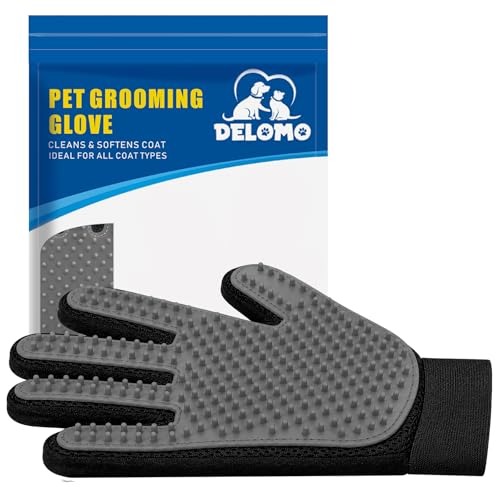
Gentle Grooming Massage – Brush away mats, light tangles and loose undercoat with a soft, flexible groomer that turns petting into an effective deshedding tool
Bright Sheen From Translucent Guard Hairs
If you’re aiming to achieve that stunning “wow” factor in a satin rabbit’s luxurious coat, focus on enhancing its distinctive sheen. This isn’t just about a shiny surface—you’re exploring the intricate internal light reflection within altered guard hairs, which are longer, protective hairs crucial to the coat’s appearance.
In satin-furred rabbits, the satin gene plays a pivotal role by making these guard hairs translucent. This translucency allows light to pass through the pigmented shaft and reflect back, functioning like miniature light pipes that create an irresistible luster.
The result is a coat that appears deeper, richer, and more vibrant due to the hair’s narrower structure, which effectively scatters light to amplify its glow.
This remarkable sheen is observable on normal-length satin coats and isn’t limited to underfur or grooming products alone. Unlike cat fur, rabbit fur benefits from this unique genetic trait, making it an ideal choice for breeders and pet owners seeking a coat with extraordinary visual appeal.
To maximize this effect, selecting rabbits with the satin gene and high-quality guard hairs ensures your rabbit’s coat radiates health, depth, and an enhanced, mirror-like shine—perfect for premium show standards and luxurious pet aesthetics.
Nearly See-Through Hair Appearance
The stunning mirror-like “satiny glow” you observe in certain rabbit fur comes from nearly transparent, see-through hair, not just from surface shine. This effect is primarily due to the satin gene in the fur, which causes the cuticle layer of the hair to thin significantly.
As a result, light penetrates the shaft more effectively, creating a sleek, glass-like appearance that enhances the overall visual allure.
Moreover, satin gene hair tends to feel lighter and more delicate because of the reduced fiber diameter, which diminishes scattering and enhances the fur’s clarity.
You may also notice fewer or no opaque cores, often described as hollow or semi-hollow structures, contributing to the transparent effect.
When evaluating your rabbit’s fur, check for deeper coloration and how light interacts with the coat.
Light passing through the fur can reveal intricate markings and patterns more vividly, emphasizing the quality of satin gene hair.
If your rabbit isn’t covered in Satin or Mini Satin fur, this luminous, see-through look typically won’t be visible.
Remember, rabbit fur possesses distinctive characteristics and isn’t comparable to cat fur.
For rabbit owners and enthusiasts seeking a distinctly luminous, refined coat that reflects light beautifully, choosing Satin or Mini Satin genetics offers a luxurious, eye-catching appearance that sets your pet apart.
Normal-Length Fiber Uniform Luster
Once you recognize what “normal” fiber appearance looks like, identifying a Satin rabbit becomes much more straightforward. The key distinguishing feature isn’t just longer hair fibers; it’s the consistent, uniform luster throughout the coat. You’ll observe a deep, luminous glow from head to tail that intensifies the richness and vibrancy of the rabbit’s coat color, making it stand out.
In optimal condition with proper grooming, Satin rabbit fur appears almost glass-like and can shimmer brilliantly in light. This distinctive shine originates from within the hair shaft itself, not merely a glossy surface coating, emphasizing the health and quality of the coat.
The fur also feels exceptionally soft to the touch, with a smooth, satiny texture. To accurately assess a Satin rabbit’s coat quality, look for an even, glittering sheen rather than patchy or uneven shine—a true indicator of premium quality and excellent grooming.
This uniform luster not only highlights the rabbit’s beauty but also signals its overall health, making it an essential feature for discerning breeders and rabbit enthusiasts seeking top-tier specimens.
Understanding Wool Rabbit Fur: Growth, Matting, and Grooming
Wool rabbit fur, characterized by its constantly growing, long, silky, and fine fibers, requires a tailored grooming approach to maintain a healthy, mat-free coat. Because these fibers grow continuously without regular clipping, they’re prone to knotting and matting, especially in friction-prone areas.
To prevent discomfort and skin issues, implement gentle brushing sessions at least once a week, increasing frequency to every few days during peak shedding seasons in spring and autumn when fur loss intensifies.
Focus on key friction spots such as the base of the tail, belly, armpits, and behind the ears. Using high-quality grooming tools designed specifically for wool rabbit coats ensures thorough maintenance and minimizes the risk of mat formation.
When encountering mats, separate loose tangles gently with your fingers before carefully combing them out. For felt-like, tightly knotted mats, employ blunt scissors to carefully trim the affected areas, but always prioritize gentle handling to avoid skin irritation.
Investing in proper grooming techniques and tools maximizes your rabbit’s comfort, promotes a sleek coat, and reduces costly vet visits due to neglected fur health.
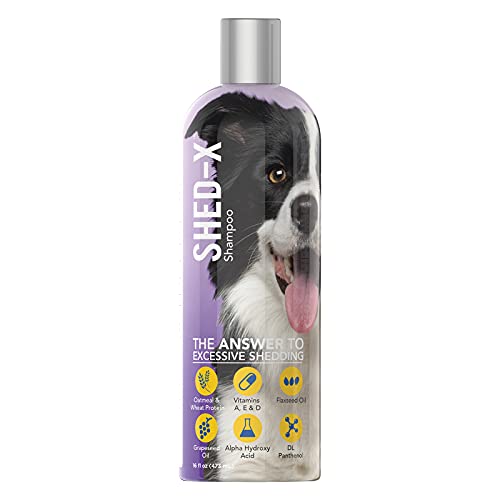
HELP CONTROL EXCESSIVE SHEDDING – Excessive shedding can result from unhealthy skin and coat. Shed-X Shed Control Shampoo for dogs gently cleans, releases excess hair and exfoliates to reduce shedding.

Gentle Clean - Achieves a excellent clean and adds moisture, dramatically reduces shedding when used on a regular basis. Gives hair a fresh start by deeply cleaning, purifying, conditioning, and deodorizing with our tried and true premium formula.

DESHEDDING DOG SHAMPOO: Gently cleanses while helping control shedding by removing loose fur and dander, so it helps reduce the amount your dog sheds. Liquid shampoo in a 16 fl oz (473 mL) silver bottle with red flip cap.
How to Tell Normal, Rex, Satin, and Wool at a Glance
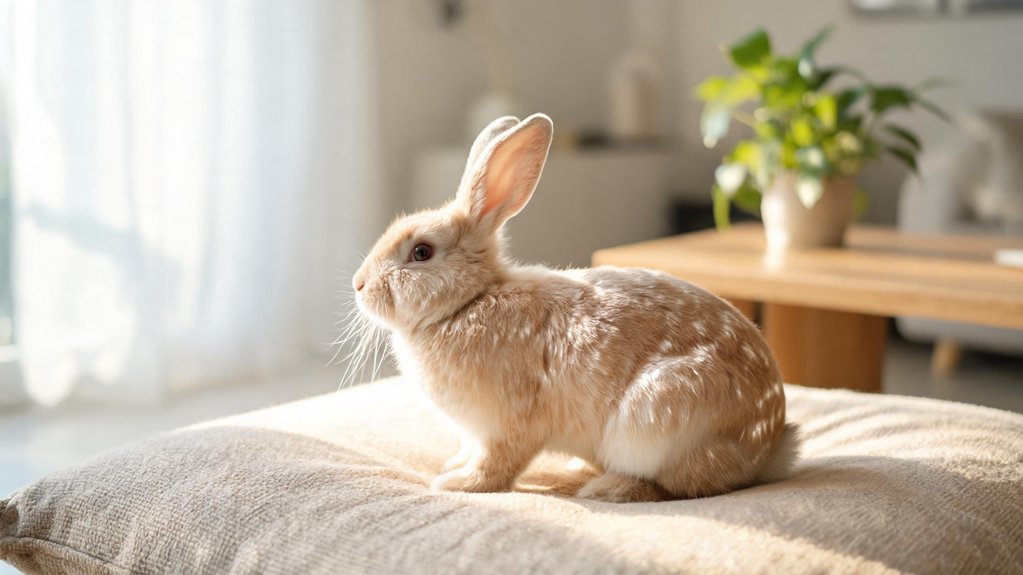
You can distinguish normal, rex, satin, and wool rabbit coats quickly and accurately by examining specific characteristics such as length, fur positioning, and light reflection. Recognizing these differences allows breeders, pet owners, and fur enthusiasts to make informed decisions about grooming, health, and breed-specific care needs.
Start by evaluating the overall shape and outline of the coat. Normal fur presents a smooth, neatly outlined appearance that reveals a sleek, natural silhouette.
Examine the coat’s silhouette: normal fur looks smooth and neatly outlined, revealing a sleek, natural shape.
Rex coats are distinctly short, plush, and rounded, resembling a dense cushion that emphasizes compactness and uniformity.
Satin fur shares a similar length but is characterized by a striking, glassy, wet-looking shine that adds a luxurious appeal.
Wool fur is longer, fluffier, and often obscures the underlying body shape, giving the rabbit a soft, voluminous appearance.
Next, check the texture by gently running your fingers through the fur. Normal fur consists of softer, yet slightly coarser hairs, providing a balanced feel between softness and resilience.
Rex fur feels velvety and springy, making it easily distinguishable by its plush, dense texture.
Satin fur is notably smooth and slightly slick to the touch, reflecting light uniquely due to its fine, glossy surface.
Wool fur feels fibrous and lofty, with a fluffy quality that adds to its density and warmth.
Finally, observe the way the fur moves and lies against the body. Wool coats tend to puff out and stand away from the skin, offering a plush, voluminous look, which is ideal for breeds requiring extra insulation.
In contrast, normal, rex, and satin coats generally lie close to the body, making them easier to maintain and pose.
Understanding these key differences enhances your ability to identify, select, and care for various rabbit breeds with confidence, ensuring optimal fur health and maintained breed standards.
This knowledge is essential for anyone looking to improve their breeding practices, provide proper grooming, or simply better appreciate the unique qualities of each coat type.

7-in-1 Rabbit Grooming Kit: Not only gentle and safe for small animals, such as rabbit, hamster, guinea pig, and chinchilla; but also work great for larger animals like cats and dogs. Soft silicone small animal massage comb can help you protect your pet's skin and effectively keep their fur clean, healthly.

【8 Pieces Pet Grooming Kit】 The set contains pet nail clipper and file, flea comb*2, pet shampoo bath brush , pet shedding slicker brush, bath massage glove, small cleaning comb.

7-in-1 Rabbit Grooming Kit: Not only gentle and safe for small animals, such as rabbit, hamster, guinea pig, and chinchilla; but also work great for larger animals like cats and dogs. Soft silicone small animal massage comb can help you protect your pet's skin and effectively keep their fur clean, healthly.
Choosing the Right Fur Type for Apparel, Fiber, or Pets
When selecting a rabbit fur type for apparel, fiber production, or pet care, prioritize understanding how the fur will perform in real-world conditions, not just its appearance. For budget-friendly warmth that may experience more wear over time, choose normal rabbit fur. If your goal is to craft luxurious outerwear with a soft, evenly draping quality, opt for rex rabbit fur, which offers a smooth and plush texture suitable for high-end garments.
For delicate fiber work or specialized pet grooming, consider angora or satin wool rabbit fur. These options require careful management due to their fine, shedding fibers that loosen during the spinning process. When selecting fur for your pet, prioritize comfort and grooming ease. Regular brushing is essential to prevent matting and excessive shedding, ensuring your pet remains healthy and content.
If you plan to harvest fiber from your angora rabbit, schedule frequent fiber collection sessions to maintain the rabbit’s health and prevent overwhelming their routine. Making informed choices about rabbit fur types enhances your overall project quality, whether you’re creating premium apparel, high-value fiber products, or providing comfortable, well-cared-for pets.

ALL-IN-ONE PET GROOMING KIT: Contains Double-Layer Needle Slicker Brush, Rubber Tip Shampoo Bath Glove Brush with adjustable ring handle, Double-Tooth Stainless Steel Comb, Pet Nail Clipper & File, Small Cleaning Comb.

【Easy Desheding】: Swihauk self cleaning dog brush for long haired dogs with release bottom helps effortlessly reduce shedding. A must have dog brush for short haired dogs, cat brush for indoor cats, cat brush for shedding, slicker brush for dogs.

💖UPGRADED Easy Desheding Brush💖: our cat massage pet brush Upgraded durable 304 stainless steel for better deshedding brush experience for cats dogs rabbits and furry small animals.Whether you're a pet owner or groomer,You deserve to have this undercoat shedding dog cats grooming BRUSH. Your lovely pets enjoy ur brushing! Cat brush for shedding indoor cats, slicker brush for dogs cats and horses rabbits .
Apparel Suitability And Drape
Choosing the right rabbit fur type for apparel is essential for achieving optimal comfort, aesthetic appeal, and functionality.
When selecting fur for cold-weather garments, Angora wool stands out due to its hollow fibers that effectively trap warm air, providing superior insulation without added bulk. This makes it an excellent choice for creating cozy sweaters, stylish shawls, and outer layers that demand warmth combined with lightweight comfort. Its distinctive halo and misty nap create an airy, luxurious drape that enhances the visual appeal and tactile experience of your apparel.
For a sleek, refined silhouette, Rex rabbit fur is highly recommended. Its dense, velvet-like pile offers a close, smooth finish that contours precisely to the body, creating a polished appearance ideal for high-end fashion items, tailored coats, and elegant trim accents.
Conversely, normal rabbit fur provides a crisp edge that’s perfect for collars, trims, and linings, offering a practical yet stylish solution with less floating loft and a more defined structure.
It is important to note that rabbit fur is distinctly different from cat fur in texture and performance, making it suitable for a variety of apparel applications. By understanding these specific qualities, you can select the most appropriate fur type to meet your design goals, enhance garment durability, and deliver a luxurious experience to end-users through tailored, high-quality apparel solutions.
Fiber Production And Spinning
Fiber production is a critical component for successful yarn spinning, and for most professional spinners, Angora remains the leading fiber choice. High-quality Angora fibers are characterized by their long, steady staple lengths, which are essential for producing smooth, durable yarns. Because Wool-coated Angora continuously grows, it ensures a reliable supply of fiber suitable for consistent spinning projects, making it a preferred option for commercial producers aiming for excellence.
The undercoat of Angora, known for its fine and soft texture, forms a fluffy halo that results in airy, lightweight knitwear. To achieve optimal results, harvest Angora fiber when the staple length reaches approximately 3–4 inches. For German Angora specifically, a harvesting interval of roughly 90 days helps ensure batch consistency and quality control, which is vital for large-scale production.
It’s important to note that breeds such as Normal, Rex, and short Satin coats typically produce shorter fibers. These fibers are better used in blending processes or felting applications, where their shorter length and texture can be optimized. Additionally, it’s worth clarifying that rabbit fur, despite the name, isn’t the same as cat fur—each type comes with its own unique properties and uses, and understanding these differences can enhance your fiber selection for specific commercial needs.
Pet Comfort And Grooming Needs
Rabbit fur may seem like a simple “fluffy” texture, but coat type significantly impacts overall comfort and grooming needs. For most short-coated rabbit breeds, such as dwarf or domestic rabbits with sleek fur, a light weekly or biweekly brushing with a gentle soft brush or damp hands effectively lifts shed hair, reduces hair ingestion during self-grooming, and maintains a healthy coat. Regular, minimal grooming sessions help prevent fur matting and hairball formation, promoting comfort and health.
Rex rabbits, known for their plush, velvety coats, shed less than other breeds and benefit most from weekly smoothing with a soft grooming tool. It’s important to regularly check their sensitive foot pads and provide supportive flooring to prevent soreness or injury, ensuring their mobility and overall well-being. Satin-coated rabbits can typically be groomed every two to three weeks; however, during periods of heavy shedding, more frequent brushing helps manage loose hair and maintains coat shine.
Wool-coated breeds, such as Angora rabbits, require more diligent and frequent grooming. Daily or every-other-day brushing is vital to prevent coat matting, wool block, and heat stress, especially in warmer climates. Regular grooming not only preserves the integrity and appearance of the coat but also significantly reduces discomfort and health risks associated with tangled fur. Using the right grooming tools and establishing a consistent routine ensures your rabbit remains comfortable, healthy, and stress-free, making grooming sessions a positive, bonding experience. A rabbit grooming kit gathers the tools needed for routine coat care, so owners can match brushing frequency to each fur type.
Care Tips by Fur Type: Brushing, Trimming, and Shedding
Grooming routines are crucial for maintaining your rabbit’s health and comfort, as regular brushing effectively removes loose fur before it can be ingested. Implementing a consistent grooming schedule tailored to your rabbit’s coat type ensures optimal results and minimizes discomfort or stress.
For short and normal coat rabbits, brush weekly using a soft-bristled brush or grooming mitt to gently lift away excess fur. Increase the frequency during heavy seasonal sheds to prevent fur buildup and reduce the risk of hair ingestion, which can lead to gastrointestinal issues. Keep your brushing gentle to promote a positive grooming experience and safeguard your rabbit’s skin integrity.
Trim nails as needed during grooming sessions, and take the opportunity to inspect the ears for cleanliness and signs of infection. Rex coats shed less, so a light brushing one to two times weekly is sufficient for maintaining their coat. During moulting periods, lift loose fur using a damp hand to effectively remove shedding hair without causing stress or skin irritation.
For Satin coats, brush every one to two weeks to keep the fur smooth and tangle-free. During spring and fall moults, increase brushing frequency to several times weekly with soft tools specially designed for delicate coats.
Wool or Angora rabbits require daily brushing to prevent mats and tangles, especially near sensitive areas such as ears, legs, and the belly, where mat formation is more common.
Implementing these tailored grooming solutions not only enhances your rabbit’s comfort but also reduces fur ingestion and hairball formation, leading to a healthier, happier pet. Proper grooming tools and techniques can make your routine more effective and enjoyable, ensuring your rabbit stays comfortable and looking their best year-round.

2-IN-1 DETANGLER COMB: Simplify the grooming process by using our dual length pet combs for dematting, detangling & combing. It features both long & short metal teeth, so it cuts time in HALF!

【Easy dematting and deshedding tools】: Our grooming brush and comb combo help effortlessly dematting and reduces shedding time.

Serrated Blades Cut Cleanly: This mat remover for dogs has serrated stainless steel blades to effectively cut through tangles and mats; this hair comb keeps your dog's hair clean and soft
Common Grooming Mistakes That Ruin Rex, Satin, and Wool Coats
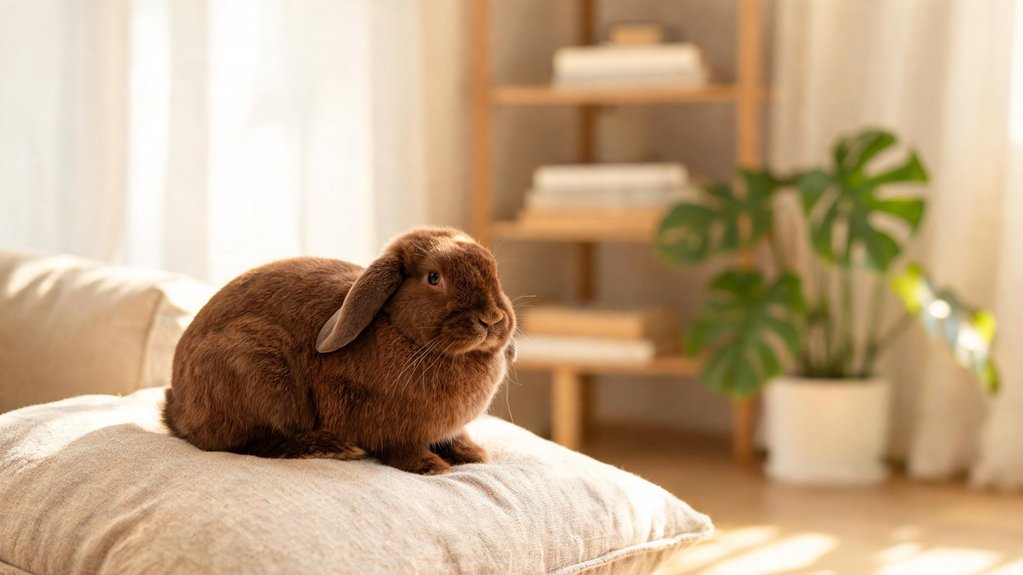
If you want your Rex, Satin, and Wool coats to stay soft, shiny, and comfortable, it’s essential to avoid common grooming mistakes that can damage these delicate fur types. Proper grooming is key to maintaining their luxurious appearance and ensuring your rabbits remain happy and healthy. Choosing the right coat tool for your rabbit’s specific coat type and shedding needs makes it easier to avoid these damaging habits.
For Rex rabbits, avoid over-brushing with hard or wire brushes, as these tools can strip the plush undercoat and flatten the pile, diminishing their signature velvety texture. Instead, opt for gentle hand-stroking techniques, especially during molts, to gently remove loose fur and promote healthy coat growth. Skip stiff bristle brushes that may break short hair, and choose soft grooming tools designed specifically for sensitive rabbit coats.
When caring for wool breeds, don’t delay addressing matting and tangled fibers. If mats develop, refrain from ripping or pulling at them, which can cause discomfort or skin injury. Instead, carefully start at the tips of the fibers, work gradually by sections, and consider clipping felted areas only with professional help from a veterinarian or a trained grooming expert to ensure safety.
Never bathe wool rabbits, as water stress can adversely affect their coat quality, and harsh shampoos can dull the satin-like sheen typical of Satin coats.
How Flyback and Standing Fur Affect Coat Quality
When you stroke your rabbit from the tail toward the head, observe how the fur responds. The way the fur “bounces back” provides valuable insight into coat quality, durability, and overall appearance. Flyback fur quickly returns to its original position uniformly across the body, indicating a dense, resilient, and glossy coat. This type of fur features prominent guard hairs—sturdy outer hairs that form a protective surface—resulting in a firm, springy feel and a visually appealing sheen.
Standing fur, such as that found in Silver Fox coats, remains upright instead of falling back after being stroked. These coats tend to be extremely dense and plush, offering greater body, insulation, and a luxurious tactile experience. When evaluating the quality of rabbit fur, always prioritize softness, thickness, and natural sheen to ensure you select materials that deliver both comfort and durability.
Keep in mind that rabbit fur differs significantly from cat fur in texture and growth pattern, making it essential to understand these differences for optimal selection. By focusing on flyback and standing fur characteristics, you can confidently choose high-quality rabbit furs for premium apparel, accessories, and crafting projects that meet your standards for excellence and longevity.

Helps Control Loose Fur & Flyaway Hair: Dog shampoo deshedding helps manage loose fur and flyaway hair during bath time, towel drying, blow-drying, and brushing. This dog shampoo for shedding helps loosen trapped fur and buildup from thick coats, making it easier for pet parents to rinse and remove loose hair during regular grooming. Champú para perros supports a cleaner coat feel and helps reduce the messy flying-fur look after washing.

Gentle Clean - Achieves a excellent clean and adds moisture, dramatically reduces shedding when used on a regular basis. Gives hair a fresh start by deeply cleaning, purifying, conditioning, and deodorizing with our tried and true premium formula.
HELP CONTROL EXCESSIVE SHEDDING – Cat grooming supplies like this shampoo to gently clean, release excess hair, and exfoliate to reduce shedding
Can Rabbit Fur Type Change With Age or Breeding?
You’ll love how consistent a rabbit’s fur type remains once it’s established because the genetic factors controlling fur texture and pattern don’t change with age. Fur begins developing before birth and continues throughout a rabbit’s life, allowing for variations in density and thickness but not in the fundamental fur type.
Molting, which renews hairs, doesn’t alter the genetic makeup of the coat structure, so a rabbit’s fur won’t transform into rex, satin, or wool varieties through natural shedding.
Molting renews hair but doesn’t change coat genetics, so a rabbit won’t shed into rex, satin, or wool fur naturally.
Age can influence when certain fur characteristics become prominent; for example, wavy coats may begin appearing around two years of age, indicating delayed expression of specific genetic traits.
Breeding practices, however, are the primary method by which different fur types can be introduced or passed on to offspring. Only through selective mating and the inheritance of recessive genes can offspring exhibit rex, satin, or wool fur qualities.
It is important to note that rabbit fur types are distinct from cat fur variations, emphasizing the uniqueness of each species’ genetic makeup.
For those seeking consistent, high-quality rabbit coats or aiming to produce specific fur types, understanding the genetic stability and inheritance patterns offers valuable insight. Proper breeding and genetic awareness ensure you can achieve desired fur characteristics, making your rabbit breeding projects more predictable and successful.

【Premium Material】This rabbit hair brush, made of silicone, is a great choice for your beloved rabbit grooming kit. This safe rabbit hair brush is designed to provide gentle yet effective grooming, protecting your pet's delicate skin while effectively keeping their fur clean and healthy. Cleaning is also very easy; simply rinse with water and air dry to maintain hygiene and ensure your pet's grooming tools are always clean and safe.
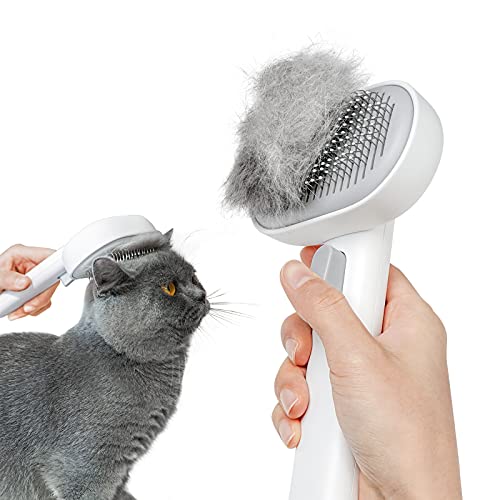
【Professional Cat Hair Brush】Perfect gift for pet owners, vets, and pet groomers. Using this cat brush for long haired cats on a regular basis can gently and effectively remove loose hair, tangles, knots, dander and trapped dirt. Suitable for short, medium or long, thick, thin or curly haired dogs/cats/rabbits, making your pets shiny and healthy.

【8 Pieces Pet Grooming Kit】 The set contains pet nail clipper and file, flea comb*2, pet shampoo bath brush , pet shedding slicker brush, bath massage glove, small cleaning comb.
Frequently Asked Questions
Is Rabbit Fur the Same as Cat Fur?
No, rabbit fur isn’t the same as cat fur. While both are natural animal fibers, they differ significantly in their structural properties, including follicle layout and fiber composition. Rabbit fur typically features finer, softer hair with a higher proportion of down fibers, making it highly insulating and lightweight.
In contrast, cat fur varies by breed but generally contains a mix of guard hairs and undercoat, which affects its texture, durability, and insulation qualities. Understanding these differences is crucial when selecting the appropriate animal fiber for high-quality clothing, luxury textiles, or insulation materials. By choosing specialized rabbit or cat fur fibers, you can optimize warmth, comfort, and durability for your specific applications, ensuring a premium product that meets your needs.
Do ARBA Breed Standards Mention Fur Type Differences?
Yes, ARBA breed standards explicitly specify differences in fur types, providing detailed criteria for judging various coat characteristics. The standards clearly categorize fur into distinct types such as normal, Rex, Satin, and wool, each with their own specific attributes and quality benchmarks. This detailed differentiation ensures that breeders and exhibitors can accurately assess and showcase their rabbits based on precise fur standards.
Can a Rabbit Shed More With Certain Fur Types?
Yes, you can observe increased shedding with certain rabbit coat types. Wool or Angora-style fur, known for their continuous hair growth, require regular trimming and fiber removal to manage shedding effectively. These specialized coats tend to release more loose hair during grooming sessions, which is typical for breeds with continuously growing fibers.
In contrast, Rex rabbits, characterized by their dense and short fur, generally shed less than rabbits with standard or long-haired coats. Understanding the differences in coat types allows pet owners and breeders to implement targeted grooming routines and shedding control solutions. Investing in appropriate grooming tools and adopting a regular grooming schedule tailored to each coat type can significantly reduce loose hair around your home, ensuring a cleaner environment and promoting healthier skin and fur for your rabbit.
How Long Do Rex, Satin, and Wool Coats Take to Grow In?
Rex coats, known for their dense and plush coverage, typically regrow their full coat within 2 to 3 weeks after a major molt. This rapid regrowth ensures your rabbit maintains optimal insulation and a sleek appearance, making Rex coats a practical choice for those seeking consistent aesthetic appeal. After this initial regrowth phase, Rex coats stabilize and reach full density in approximately 6 to 8 weeks, providing long-lasting coverage and reducing the need for frequent grooming.
Mini Satin coats, renowned for their glossy, shimmering finish, take about 5 to 6 months to reach their characteristic adult sheen and develop a smooth, silky texture. This gradual maturation process ensures the coat achieves the desirable luster that enhances your pet’s aesthetic appeal, making it an attractive option for owners interested in show-quality appearance.
Wool, Angora, and similar breeds require an estimated 3 to 4 months to grow enough spinnable fiber length. During this period, the coat develops the fine, fluffy, and soft qualities essential for those who wish to create high-quality yarns or maintain a luxurious, airy look. Proper care and targeted grooming during this growth phase will maximize fiber quality and overall coat health, offering a sustainable solution for fiber artisans and pet owners alike.
What’s the Safest Grooming Tool for Wool Vs Rex Coats?
To ensure the safest grooming practices for wool coats, it is recommended to first gently blow the coat on cool to remove loose debris and hair. Afterward, use your fingers to carefully loosen any tangles, followed by a wide-toothed comb designed specifically for delicate fur types. This gentle approach helps maintain the integrity of the wool fibers while minimizing stress or damage.
For Rex coats, prioritize using a soft bristle brush or a rubber grooming mitt, applying only light, gentle pressure during the brushing process. Avoid aggressive tools such as slicker brushes or hard combs, which can harm the delicate Rex fur. By following these gentle, specialized grooming techniques, you can effectively maintain your pet’s coat while prioritizing their comfort and safety, ensuring a healthy and well-maintained appearance.