Spot E. cuniculi fast in your pet rabbit by watching for key clues: sudden head tilt, wobbly balance, rolling, or nystagmus, which are flickering eyes. Also look for kidney and bladder signs, like extra thirst, more pee, urine scald or wet fur, sludgy urine, and soiling. Eye inflammation or cataracts can be part of it too.
Get rabbit-savvy vet testing, often ELISA blood titers. Treatment is usually fenbendazole once daily for 28 days, plus supportive care, and spore-cleaning at home. Keep going to learn more.
Swift Summary
- Watch for renal/urinary signs like polyuria, polydipsia, urine scald, wet fur, sludgy urine, and possible incontinence.
- Assess neurologic signs including sudden head tilt, nystagmus, ataxia, circling, seizures, or rapid worsening within 48 hours.
- Check ocular signs such as uveitis or phacoclastic uveitis, cataract development, watery/red eyes, and abnormal pupil constriction.
- Confirm infection with ELISA IgG/IgM serology (repeat titers in 2–4 weeks) and consider PCR on urine/CSF if needed.
- Treat with fenbendazole under rabbit-savvy veterinary guidance; note risks like potential bone-marrow suppression and manage reinfection hygiene.
Spot E. Cuniculi Symptoms in Pet Rabbits
Spotting E. cuniculi infection in pet rabbits involves recognizing the common clinical signs indicating that the parasite may have affected critical organs such as the kidneys, bladder, or eyes. Early detection of renal and urinary tract symptoms is essential for timely intervention—look for increased urine production (polyuria), excessive water intake (polydipsia), urinary accidents, wet fur, and urine scalding along the abdomen and hindquarters. These signs can be accompanied by dysuria (painful urination), sludge formation, cystitis, or noticeable weight loss due to compromised health. You should also monitor your rabbit for specific ocular signs that suggest E. cuniculi involvement, including phacoclastic uveitis, cloudy or opaque lenses, cataracts, or the presence of white, granulomatous masses within the lens. These eye symptoms often indicate systemic infection and require prompt veterinary attention.
If you suspect infection, remember that serological testing is the most reliable way to confirm E. cuniculi before complications fully develop. If your rabbit appears dull, lethargic, or refuses to eat and drink, these are urgent indicators of severe illness. A rabbit that stops eating or pooping for more than 12 hours needs immediate veterinary assessment from a rabbit-savvy exotics veterinarian to prevent rapid deterioration. Early diagnosis and targeted treatment, including antiparasitic medication and supportive care, can significantly improve your rabbit’s prognosis. Investing in regular health check-ups and considering preventative measures such as routine E. cuniculi testing can help protect your pet from severe complications associated with this common parasitic infection.
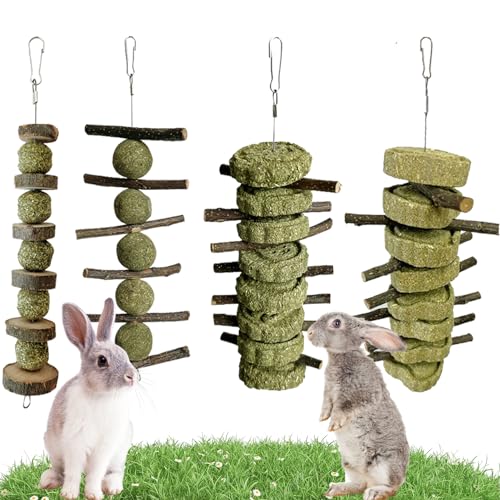
Packing List: Package weight 13.75 oz / 390 g.4 pack animals chewing toy, 1 package for each style. All chewing toys have a metal rings, you can hang chewing toys to keep them clean. This not only provides endless fun for small pets, but also strengthens the pet's body.

INTERACTIVE FORAGING FUN: Turn snack time into an engaging brain game! This 8.3" × 8.3" × 1.4" square tray features multiple foraging sections and includes 14 wooden balls, 1 mushroom-shaped piece, and 10 acorn-shaped pieces. Hide treats throughout the tray to encourage natural searching, nudging, and exploring

Interactive Foraging Fun: Turn meals into a brain game! This 9.5"x9.5"x2" tray with 29 wood balls and 10 mushrooms mimics natural hunting. It’s the ultimate bunny enrichment toy to stimulate instincts and keep your rabbit or guinea pig engaged, preventing mealtime boredom
Signs of Neurologic Disease in Rabbits
When you observe sudden behavior changes in your rabbit—such as rapid shifts over hours rather than days—consider neurologic disease, which can be caused by infections like *E. cuniculi*. Recognizing these signs early is crucial for prompt diagnosis and effective treatment. An *E. cuniculi* infection commonly affects the vestibular system, leading to sudden head tilt. An *E. cuniculi*-infected rabbit may tilt its head, known as torticollis, circle, roll, or display nystagmus—flickering eye movements that indicate neurological impairment. Additional symptoms include imbalance, ataxia (wobbly gait), or hind-limb weakness that can progress to paralysis if left untreated.
Sudden behavior changes in rabbits—especially within hours—may signal neurologic disease like *E. cuniculi*, making early veterinary care essential.
Monitor for changes in mentation, such as dullness, confusion, increased fearfulness, or clumsiness, as these are indicators of central nervous system involvement. Seizures, tremors, and sudden death may also occur in advanced cases. If you notice these concerning signs, it’s vital to seek immediate care from a rabbit-savvy exotic veterinarian to ensure accurate diagnosis, appropriate treatment, and the best possible outcome for your furry companion.
Understanding how *E. cuniculi* transmission occurs is essential, including routes of infection and preventative measures. Contact a qualified exotic vet promptly to discuss diagnostic options like serology or MRI, and to initiate preventive strategies such as appropriate medication and environmental controls. Early intervention can significantly improve your rabbit’s quality of life and prevent the progression of neurological damage.

The information below is per-pack only

Dewormer for Goats
Renal and Urinary E. Cuniculi Symptoms
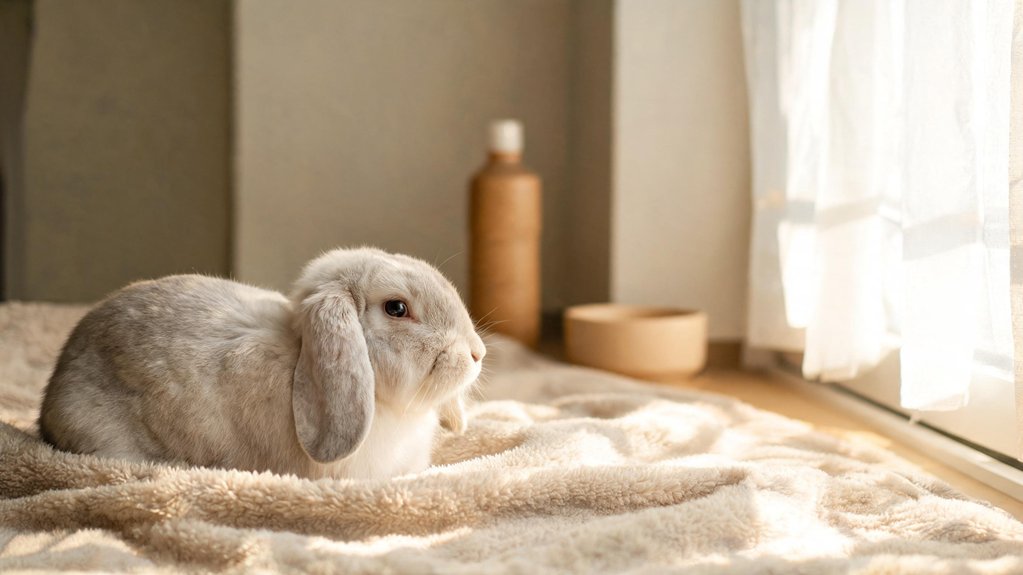
If your rabbit’s kidneys become affected by *Encephalitozoon cuniculi* (commonly referred to as E. cuniculi), you may observe increased urination, often accompanied by heightened thirst. These symptoms indicate potential renal involvement and should prompt immediate veterinary attention.
Additionally, you might notice pollakisuria, which refers to frequent urination in small quantities, along with signs like urine sludge, scalded or sore skin around the genital area, dysuria (painful urination), or even incontinence.
During acute stages of kidney impact, some rabbits may struggle to hold their urine due to bladder weakening. As the kidney function declines, other concerning symptoms may develop, including weight loss, dehydration, decreased appetite, and lethargy.
Recognizing these signs early is crucial for effective intervention. Prompt consultation with a rabbit-savvy exotic veterinarian is essential to manage these symptoms and preserve your rabbit’s health. Urine is where *E. cuniculi* spores are shed, which helps explain why urinary/renal signs may accompany kidney disease.
To prevent severe outcomes, consider comprehensive diagnostic testing and tailored treatment plans from a specialized exotic vet. If your rabbit stops eating or pooping for 12 hours, treat this as an emergency.
Early intervention options, such as targeted medications, supportive care, and hydration therapy, can significantly improve prognosis and quality of life. Don’t delay—seek expert veterinary care promptly to ensure your rabbit receives the most effective treatment for renal or urinary complications related to *E. cuniculi*.

Small Animal Cage Cleaning Wipes: Made for the little messes that show up between full cage cleanings. These wipes help lift food residue, droppings, litter dust, and everyday marks from small animal cage areas before they pile up

For Daily Cage Messes That Build Up Fast: Small animal cages can get messy quickly between full cleanings. These cage cleaning wipes are designed for everyday spot cleaning when food residue, droppings, or surface buildup starts making the habitat feel less fresh. A simple way to keep routine messes from piling up

Cage Cleaning Wipes: you will receive 1 bucket of pet cage cleaning wipes, 60 pieces per bucket, sufficient quantity to clean and deodorize small animal cages; Convenient wipes and deodorize small animal cages; The package includes plenty of wet wipes, providing good value and extended use
Eye Problems and Other Systemic Signs
When you suspect E. cuniculi infection in your rabbit, it’s crucial to monitor for specific ocular signs such as cataracts, which appear as cloudy lenses, and uveitis, characterized by inflammation inside the eye.
These signs often manifest together, indicating a potential systemic parasitic issue that requires prompt diagnosis and treatment with targeted antiparasitic medications.
Addressing these eye problems early can prevent further vision loss and reduce ocular discomfort.
In addition to eye symptoms, pay close attention to whole-body signs like weight loss, which signals systemic illness, or dehydration, evidenced by tacky gums or skin that fails to spring back when gently pinched.
These signs suggest that your rabbit’s health is compromised and that neurological and vestibular problems may develop if left untreated.
If your rabbit exhibits a sudden cessation of eating or bowel movements lasting more than 12 hours, it’s an emergency situation.
Immediate consultation with a rabbit-savvy exotic veterinarian is necessary for rapid diagnosis and intervention.
Early, solution-focused treatment can improve outcomes, alleviate suffering, and help restore your pet’s health.

Interactive Foraging‑Enrichment Ball: Cater to pets’natural foraging drive for long‑time fun. Fill the hollow cavity with hay, fresh vegetables or foliage greens. Working as an effective boredom reliever, it offers mental engagement and physical workout for reptiles and tiny furry pets.

SAFE, NATURAL CHEW RINGS: Made from 100% pet-safe, untreated fibers, Oxbow Twisty Rings are perfect rabbit toys, guinea pig toys, hamster toys, and chinchilla enrichment. These chewable rings encourage safe gnawing while supporting natural instincts.

INTERACTIVE SMALL PET PLAY WALL: Enrichment accessory designed for rabbits, guinea pigs, hamsters, chinchillas, and rats, encouraging climbing, chewing, and foraging behaviors to keep pets active, curious, and mentally stimulated every day.
Cataracts And Uveitis Symptoms
Cataracts and uveitis are common ocular conditions associated with E. cuniculi infection in rabbits, often presenting alongside systemic signs such as neurological or renal symptoms. Recognizing the early visual and physical indicators is crucial for timely and effective treatment.
You may notice a white or cloudy lens, or a small white spot near a lens capsule break, which are characteristic signs of cataracts.
In cases of phacoclastic uveitis, look for ocular inflammation, watery or reddened eyes, tiny pinpoint constrictions of the pupil, and decreased intraocular pressure.
Additionally, a yellow-white mass located in the anterior chamber or pale pink nodules on the iris near the pupil can indicate active uveitis.
These symptoms may affect one eye or both, so thorough examination is essential.
If you observe eye changes accompanied by neurological signs such as tremors or kidney issues like increased thirst or changes in urination, consulting a rabbit-savvy exotic veterinarian is highly recommended.
Early diagnosis and targeted treatment can help preserve vision and improve your rabbit’s overall health, ensuring rapid recovery and long-term ocular wellness.
Weight Loss And Dehydration
Weight loss and dehydration are two of the most concerning “non-eye” clinical signs associated with Encephalitozoon cuniculi infection in rabbits. These indicators often suggest underlying chronic kidney damage and a body-wide decline in health status.
When your rabbit’s kidneys begin to fail, they can cause azotemia, a dangerous buildup of nitrogenous waste products in the bloodstream, which may result in gradual, unexplained weight loss even if your rabbit continues to eat normally.
Early detection of these symptoms is crucial for effective treatment. Look for signs such as increased thirst, excessive urination, sludgy or abnormal urine, urine scald, and soiling around the perineal area.
If your pet exhibits any combination of these signs or if your rabbit hasn’t eaten or pooped for more than 12 hours, treat it as an emergency.
Immediate consultation with a rabbit-savvy exotic veterinarian is essential to initiate appropriate diagnostics and supportive care. Prompt intervention can help prevent irreversible kidney damage, improve quality of life, and potentially reverse the symptoms with targeted treatment strategies.
Treating E. Cuniculi: When It’s an Emergency
If your rabbit suddenly goes off balance, tilts their head, circles, has tremors, can’t rise, or stops peeing normally, treat it as an emergency and contact a rabbit-savvy exotic pet veterinarian immediately. Quick action is crucial, so start supportive nursing right away by keeping your rabbit warm, moist, and comfortable.
Offer assistance with feeding and hydration, because rabbits that aren’t eating or pooping for 12 hours can deteriorate rapidly and potentially experience life-threatening complications.
Before proceeding with any medical treatment, request that the veterinary clinic conduct diagnostic tests such as comprehensive bloodwork focused on kidney function and E. cuniculi testing. This ensures you receive a precise diagnosis and appropriate targeted therapies rather than relying on guesses during a crisis.
Investing in prompt, specialized veterinary care can significantly improve your rabbit’s chances of recovery, making it essential to consult an experienced exotic pet veterinarian trained in rabbit neurology and infectious diseases for optimal outcomes.
Recognize Sudden Neurologic Deterioration
When your rabbit suddenly goes off-balance, such as tilting their head, starting to circle, wobbling badly (ataxia), or rolling repeatedly, it’s critical to take immediate action. These signs indicate acute vestibular disease, which can develop rapidly within 48 hours, and require urgent veterinary evaluation.
Continuous or repeated rolling, seizures, fits, or convulsions may signify severe central nervous system (CNS) involvement and pose an imminent risk of sudden death; prompt diagnosis and intervention are essential.
If your rabbit stops eating for more than 12 hours accompanied by these neurological signs, treat it as an emergency.
Marked lethargy and loss of normal responsiveness further elevate the urgency for immediate veterinary attention.
The presence of hindlimb paralysis, urinary incontinence, or indications of kidney failure, such as changes in urination or hydration status, increase the severity and require swift, comprehensive assessment.
Additionally, torticollis, especially when preventing a normal posture or affecting the welfare of your rabbit, demands urgent care; contact an exotic pet veterinarian immediately to preserve your rabbit’s health and prevent irreversible damage.
Early diagnosis and targeted treatment are vital for improving outcomes in these critical neurological emergencies.
Start Immediate Supportive Nursing
So, Your rabbit suddenly wobbles, rolls, or can’t stand right, Now you don’t wait for it to “work itself out.” Use the same urgent mindset you’d use for other sudden neurologic emergencies because E. cuniculi, also called encephalitozoonosis, can flare fast and cause significant health problems quickly.
First, Calm the space by placing your rabbit in a quiet, dim, low-traffic room that’s padded on the sides to prevent injury. Keep essentials like high-quality food, fresh water, and clean litter within easy reach to support hydration and nutrition during this critical time.
Next, Push hydration and caloric intake urgently. If your rabbit hasn’t eaten or pooped in 12 hours, treat this as an emergency situation requiring immediate veterinary attention. Gently reposition your rabbit often to prevent sores and monitor urine output and belly comfort closely.
Do not delay—call an exotic animal veterinarian immediately for specialized diagnostics and targeted treatment options to ensure your rabbit recovers swiftly and comfortably. Prioritize rapid intervention to prevent permanent neurologic damage and improve prognosis with expert care.
Confirm Testing Before Medication
Before you start any antiparasitic medication, confirm that your rabbit is infected with *E. cuniculi*, especially if it exhibits sudden wobbling, rolling, inability to stand, or eye inflammation. Accurate diagnosis is crucial because many rabbits are asymptomatic carriers, and symptoms can easily mimic other conditions like ear disease, spinal problems, toxin exposure, or kidney issues. To ensure effective and safe treatment, consult a specialized exotic rabbit veterinarian immediately.
Request comprehensive diagnostic testing such as baseline ELISA serology, including IgG and IgM titers. This will help determine active infection versus past exposure. If the results are inconclusive, consider repeating the titers in two to four weeks or conducting additional testing through urine or ocular PCR. Remember, medications like fenbendazole carry significant risks, including bone marrow suppression, so avoid initiating a long course without professional guidance.
It is critical to monitor your rabbit closely. If your pet stops eating or pooping for more than 12 hours, treat the situation as a medical emergency and seek immediate veterinary intervention. Proper diagnosis and carefully monitored treatment protocols will maximize your rabbit’s chances of recovery while minimizing potential adverse effects from antiparasitic medications.
How Vets Test for Encephalitozoon Cuniculi
A rabbit veterinarian typically begins by assessing whether the clinical signs presented align with Encephalitozoon cuniculi infection. This diagnostic process involves a comprehensive physical examination combined with targeted laboratory testing to ensure accurate diagnosis and effective treatment planning.
Initially, the vet will rule out other potential causes of neurological signs, such as structural brain abnormalities, other infections, or toxicities. To confirm E. cuniculi infection, serological testing is essential—these are blood tests designed to detect antibodies.
Commonly, ELISA (Enzyme-Linked Immunosorbent Assay) and IFA (Immunofluorescent Antibody Test) are employed, often repeated over time to monitor antibody titers and assess disease progression or response to treatment.
In addition to serology, advanced imaging modalities like computed tomography (CT) scans or magnetic resonance imaging (MRI) are valuable. These imaging techniques can reveal characteristic lesions associated with E. cuniculi, including granulomas or areas of inflammation within the brain or eyes.
For definitive diagnosis, veterinarians may order PCR (Polymerase Chain Reaction) testing on samples such as urine, feces, cerebrospinal fluid (CSF), or, most conclusively, lens material obtained during surgical procedures or post-mortem examination.
When a rabbit succumbs to the disease, necropsy combined with histological tissue analysis confirms E. cuniculi presence, providing valuable information for ongoing treatment strategies.
It’s crucial to recognize that if your rabbit stops eating or pooping for 12 hours, prompt intervention is vital, and these signs should be treated as urgent to prevent serious complications or death.
This diagnostic approach ensures an accurate identification of E. cuniculi infections, allowing for targeted treatment options that can improve quality of life, reduce neurological discomfort, and prevent disease transmission within multi-pet environments.
Consulting with a qualified rabbit veterinarian and utilizing these comprehensive testing methodologies will optimize outcomes and promote long-term health for your rabbit.

8-Piece Bird Cage Cleaning Kit. Upon opening the package, you will receive: 1 fork, 1 scraper, 1 curved brush, 1 broom, 1 wire brush, 2 angled brushes, and 1 stainless steel brush.

Comprehensive 8-Piece Cleaning Set: This bird cage cleaning kit includes all the essential tools 1 cleaning fork, 1 long handled brush, 1 scraper, 2 brushes, 1 broom, 1 dustpan, and 2 angled brushes for birdcages, rabbit cages, hamster cages, and other small animal habitats

Powerful Cleaning Formula: This premium cage cleaner is specially designed to effectively remove tough stains, odors, and residue from guinea pig habitats, leaving a fresh, clean, and hygienic environment for your pet.
E. Cuniculi Rabbit Treatment Options and Timelines
When your veterinarian confirms an Encephalitozoon cuniculi (E. cuniculi) infection in your rabbit, a targeted antiparasitic treatment is essential to eliminate the organism and prevent progression. The primary medication used is a benzimidazole, most commonly fenbendazole, which effectively halts the parasite’s multiplication and supports your rabbit’s recovery.
For most cases, a standard protocol involves administering once-daily fenbendazole for 28 days, ensuring comprehensive parasitic suppression. If your rabbit is experiencing an acute or chronic case, your veterinarian may extend this treatment period to 30 to 60 days to achieve optimal results.
In more severe or flare-up situations, additional medications based on symptoms may be necessary. Meloxicam, a non-steroidal anti-inflammatory drug, is often prescribed alongside to reduce pain and inflammation, improving your rabbit’s comfort during recovery.
Furthermore, if bacterial signs are present, your veterinarian might prescribe specific antibiotics to address secondary infections and support overall health.
It’s critical to monitor your rabbit closely throughout treatment; if your rabbit stops eating or pooping for more than 12 hours, treat this as an emergency and seek immediate veterinary care to prevent further complications.
Implementing this comprehensive, solution-oriented treatment plan ensures the best chance for your rabbit’s full recovery from E. cuniculi.

STIMULATES NATURAL BEHAVIORS: The Apple Stick Bouquet encourages chewing, playing, and exploring, helping rabbits, guinea pigs, chinchillas, hamsters, and other small pets stay active, curious, and mentally enriched every day in their cage or play area.

100% Natural Materials: The rabbit toys include apple sticks, timothy hay balls, loofah, biscuits, Alfalfa cakes, raffia and FSC-Certified wood. The rabbit treat and chews are made from FSC-Certified wood, no glue, no additives, no added coloring, which can be hung from the side or top of the cage to keep them cleanm

Unique double-row design, more durable and more fun: Our bunny chew toys feature an exclusive double-row design, with one string of double grass cakes and one string of double grass balls. This provides double the chewing surface area compared to single-row alternatives, making the toys more durable and offering your pet extended playtime.
Preventing Reinfection and Supporting Recovery at Home
Once your veterinarian has prescribed a treatment plan, your role at home becomes equally critical in preventing reinfection and supporting your rabbit’s full recovery.
Preventing the spread of E. cuniculi spores, which are transmitted through contaminated urine and feces, is essential for safeguarding your rabbit’s health.
Immediate and thorough cleaning of affected areas helps minimize the risk of reinfection.
Ensure daily removal of wet litter and droppings to maintain a clean living environment.
Perform weekly deep-cleaning using a robust detergent followed by disinfection with a 0.1% bleach solution—apply the solution, then let it sit for 10 minutes—or use 70% ethanol for approximately 30 seconds for effective sterilization.
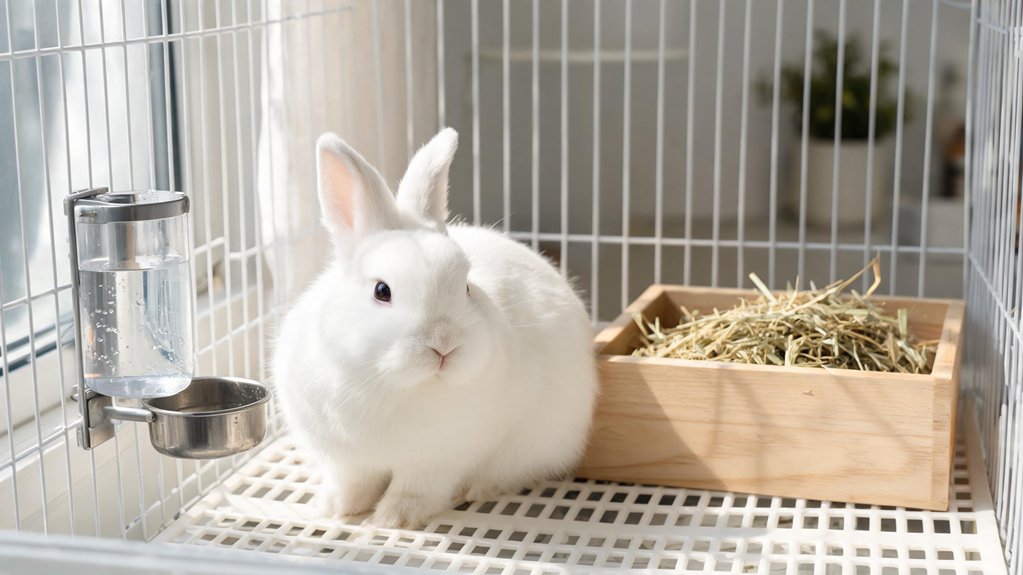
To prevent spore contact with food and water, utilize raised feeders that keep supplies off contaminated substrates.
Avoid sharing hutches, food bowls, or grooming tools between rabbits to reduce cross-contamination risks.
Maintain dry, well-ventilated housing to inhibit mold and bacterial growth, which can worsen health conditions.
Immediately bag and dispose of contaminated bedding to prevent lingering spores in your rabbit’s environment.
If your rabbit shows signs of not eating or defecating within 12 hours, seek emergency veterinary care immediately.
Implementing these targeted cleaning and sanitation strategies, along with prompt medical intervention, will significantly support your rabbit’s recovery while reducing the risk of reinfection.
Frequently Asked Questions
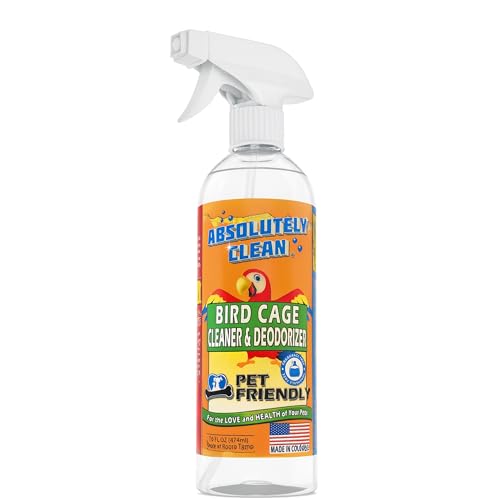
FAST-ACTING FORMULA: 16oz (Pack of 1) Bird Cag cleaner, using its natural enzymes, is incredibly fast-acting and easy to use. Just thoroughly spray the area with bird cage cleaner that has bird poop, let sit 3-5 minutes, use a wet cloth or cleaning brush to loosen and remove the bird poop. Fast-acting and effective stain and odor eliminator pet, no matter the pet's diet.
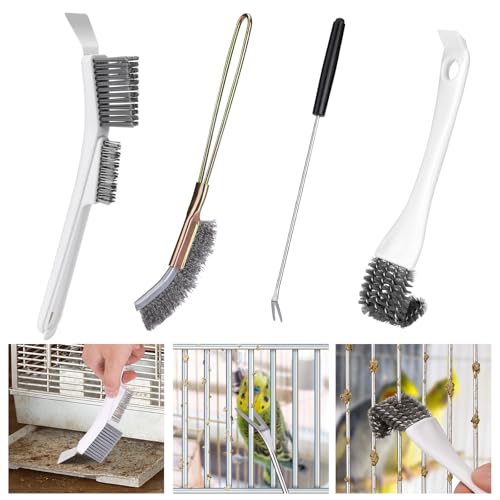
Bird Cage Cleaning Solutions, Complete Set: Dear bird friends, are you tired of running around to buy various tools to clean the bird cage? Our Bird Cage Cleaning Brush Set solves this trouble for you! The set includes cleaning forks, mesh brushes, multi-purpose brushes, and 3-in-1 wire brushes are in place at once, without purchasing any additional accessories. With it, you can easily deal with the full range of cleaning of the bird cage, allowing your love bird to live in a clean and tidy environment and enjoy a comfortable life.

2-in-1 Bird Cage Brush: Ingeniously curved bird cage cleaner brushes navigate every cage bar and corner with ease. The scraper ends effectively tackle dried waste on cage floors – one tool does double duty for smart cage maintenance
How Does a Pet Rabbit Get E. Cuniculi in the First Place?
Your pet rabbit becomes infected with E. Cuniculi primarily through the ingestion of microscopic spores that are present in the environment. These spores are commonly found in infected rabbit urine, which contaminates hay, pellets, fresh greens, water sources, and various surfaces within your rabbit’s habitat. Ensuring your rabbit’s living environment remains clean and free of urine contamination is crucial for prevention.
Additionally, E. Cuniculi can spread via inhalation of dust particles containing these spores, increasing the risk of airborne transmission. Critical to understanding is the fact that mother-to-kits transmission during pregnancy can also occur, potentially passing the infection from a mother rabbit to her offspring. Implementing rigorous hygiene practices, regular veterinary checkups, and considering preventative treatments can significantly reduce your rabbit’s risk of infection, promoting a healthier, disease-free life for your beloved pet.
Can E. Cuniculi Spread Between Rabbits at Home?
Yes, E. cuniculi can spread between rabbits at home, especially in environments with close contact and shared resources. Infected rabbits shed spores through their urine, contaminating common areas such as litter boxes, bedding materials, hay, and water dishes. When other rabbits ingest or come into contact with these contaminated substances, they can become infected, increasing the risk of transmission within multiple rabbit households.
To effectively prevent the spread of E. cuniculi in your home, it is essential to maintain strict hygiene practices. Regular cleaning and disinfection of all surfaces, including litter boxes and bedding, can significantly reduce contamination. Consider using commercial disinfectants specifically designed for zoonotic pathogens, and replace shared items frequently to minimize exposure. Implementing these proactive hygiene measures, coupled with routine veterinary checks and potential prophylactic treatments, can safeguard your rabbits’ health and prevent costly infections.
How Soon After Exposure Do Symptoms of E. Cuniculi Appear?
Like a seed waiting in soil, symptoms of *Encephalitozoon cuniculi* infection in rabbits typically appear weeks to months after initial exposure. Early immune response indicators often emerge within 3 to 9 weeks, providing a critical window for early detection and intervention. Neurological signs, which tend to develop later, can include head tilt, ataxia, and paralysis, signaling ongoing neuroinvasion.
Some rabbits remain asymptomatic, especially if external stressors or immune challenges do not exacerbate the underlying infection. To ensure timely diagnosis and effective treatment, it is essential for rabbit owners to be vigilant for subtle changes in behavior or health. Consulting a veterinarian for comprehensive testing and tailored antiparasitic protocols can significantly improve outcomes and long-term well-being, making proactive health management a key priority for dedicated rabbit guardians.
Is E. Cuniculi Contagious to Humans, Especially Immunocompromised People?
Yes, E. cuniculi can infect humans, including immunocompromised individuals. The primary risk occurs through the ingestion of spores present in contaminated urine, bedding, or other materials associated with infected rabbits. To effectively prevent transmission, it is crucial to maintain rigorous hygiene practices, such as regularly cleaning rabbit enclosures with disinfectants proven to kill E. cuniculi spores.
Practicing thorough handwashing after handling your rabbit or cleaning its habitat further reduces risk. Consulting a veterinarian specialized in exotic pets, particularly one experienced with rabbit health management, can provide tailored advice on preventative measures. These steps will help safeguard your health and ensure a safer environment for your pet, especially if you or someone in your household has a compromised immune system. Protecting your family and pet begins with proactive hygiene and expert veterinary guidance.
If My Rabbit Tests Positive, Does It Always Need Treatment?
No, a positive E. cuniculi test result for your rabbit doesn’t automatically require treatment. It’s essential to consult a qualified exotics veterinarian who can perform a thorough examination and review your rabbit’s antibody levels.
If your rabbit shows no symptoms such as head tilt, cataracts, or paralysis, the veterinarian may recommend close monitoring and implementing improvements in your rabbit’s environmental and nutritional care. This proactive approach can help manage the condition effectively and prevent potential complications, ensuring your rabbit remains healthy and comfortable without unnecessary medication.