You’ll find male German Shepherds are larger and need more room and two hours of exercise; they’re more territorial and test boundaries until their year. Female Shepherds are smaller, reach full size by twelve months, mature faster, and display gentler, child‑focused protection. Males excel in patrol or apprehension tasks, while females shine in agility and scent work. Consider your space, activity level, and family dynamics before deciding, and the next sections will guide you further.
Swift Summary
- Males are larger and need more space and at least 2 hours vigorous daily exercise; females are smaller and fit comfortably in moderate‑size homes.
- Females typically reach physical and emotional maturity faster, showing calmer, more maternal behavior; males mature later and retain high energy into adulthood.
- Female German Shepherds tend to be gentler and less dominant around children, while males are more territorial and may display stronger protective instincts.
- Males excel in physically demanding roles such as protection and patrol; females often outperform in agility, obedience, scent‑detection, and rescue tasks.
- Neutering/spaying reduces roaming and marking in both sexes, but it modestly lowers aggression without replacing consistent training and socialization.
Which Sex Fits Your Lifestyle? – Quick Decision Matrix
Space matters: german shepherd male vs female. Male german shepherd compared to female needs room, female german shepherd vs male size fits apartments. Because a larger male can easily get a collar caught on fences or brush, many owners choose a breakaway dog collar that releases when snagged.
A boy German Shepherd runs, a girl German Shepherd vs boy bursts calm.
Owners ask are male or female german shepherds better; a female german shepherd puppy is agreeable, a male may need.
Assess german shepherd temperament male vs female, ask what gender of german shepherd is better, decide which german shepherd is best male or female.
Use a chart to learn how to check german shepherd male or female.

【Premium Material】Tactical dog collars is made of 1000D high-quality nylon fabric,very durable,wear-resisting. Soft and comfortable padded inner won’t hurt dog’s fur and can protect dog’s neck well.

【PROFESSIONAL TACTICAL DESIGN】Upgrade your dog's gear with WhoseID thoughtfully engineered tactical dog collar. Featuring a heavy-duty metal buckle and robust webbing, it combines superior durability with a padded inner lining for all-day comfort and secure control during any activity

PERSONALIZED DOG COLLAR - No more dangling dog tags on the collar. Keep your pup identified! This premium nylon custom dog collar is a customized dog collar with your puppy's name and your phone number.
How Temperament Shapes Family Protection (Male Vs Female)
This can create nuisance in dense neighborhoods but strengthens perimeter security. Routine bathing and bedding washes keep a German Shepherd smelling fresh in close quarters. Female German Shepherds focus on the pack, staying close to you and your children. They assess situations before intervening, offering measured protection that reduces false alarms.
Their calm baseline and even bonding across the household produce consistent vigilance, especially around kids, while maintaining household harmony. Match the dog to your needs.

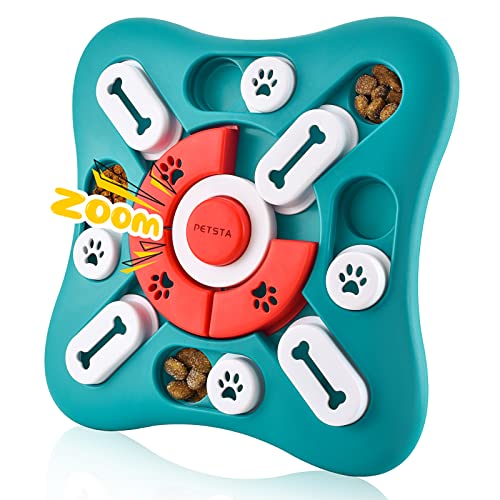
Four Challenges & Levels 1-3: Multiple games with a flip game and a linear track sliding game, all requiring dogs to learn steps and find treats. This puzzle is designed to be more fun and difficult, with more unique ways to play. It can enhance your dog's IQ and train their sense of smell

【Size】: L9.44" * W9.44"* H1.14" suitable for cats, puppies and small dogs.

3 LEVELS, BEGINNER TO ADVANCED — Adjustable difficulty: mix discs, doors, cups, and maze paths. Your dog never outgrows it.
What Size Means for Space, Exercise & Health
Although male German Shepherds usually stand taller and weigh more than females, their size directly influences the space, exercise, and health needs you’ll face. Larger males require a roomy indoor area and a secure, fenced yard; their broader frame and longer stride demand at least 2 hours of vigorous activity daily to control weight and reduce joint strain.
Smaller females fit comfortably in compact homes but still need ample outdoor time, though their energy expenditure is lower, allowing moderate intensity walks. Their smaller frame often fits within airline-approved dog carriers, which makes air travel considerably simpler.
Both sexes benefit from level, cushioned flooring to protect hips and elbows. Hip dysplasia affects up to 19% of German Shepherds, so early screening is advised. Consistent weight monitoring, balanced nutrition, and varied tasks—such as obedience drills or scent work—maintain musculoskeletal health and prevent obesity across size variations.
Regular veterinary check‑ups will further ensure their long‑term overall wellbeing.

No Pull, 2 Clips - With 2 sturdy metal hook loops for leash attachment. Use the front clip to create gentle redirection force, to reduce tugging during walks and training. While back clip is great for casual walks, jogging for well-behaved dogs

Large Dog Molle Vest: Neck Girth: 27.4” - 35.6” (70 - 90.4cm), Chest Girth: 34.5” - 42.3” (87.6 - 107.4cm), Belly Length: 13.3” - 17.7” (33.8 - 45cm), Back Length: 11.4” (29cm). Ideal for Large Breeds such as German Shepherds, Belgian Malinois, Golden Retrievers, Huskie, Labrador, Akita, etc. A professional working dog vest for service, police, or military dogs, but also suitable for hunting and all outdoor companion dogs

【Easy Adjustment - for Ultimate Comfort.】Slip into and out of our dog harness effortlessly with the help of 2 quick-release buckles. Experience Unmatched Mobility with 4 Fully Adjustable Meatl Rings, two on the shoulders and two on the chest, which ensure a snug fit that enables unrestricted movement.
When Do Males & Females Reach Full Maturity?
While male German Shepherds often keep growing beyond their first birthday, females typically hit their adult height by around 12 months. You’ll notice males fill out their musculoskeletal frame until roughly 24 months, while females usually finish growth a few months earlier. Growth‑plate closure occurs between 12–18 months, marking the end of vertical growth for both sexes.
Sexual maturity arrives sooner: males can sire as early as 6 months, reaching full fertility by 12–15 months; females experience their first heat between 6–15 months, commonly around 9–12 months.
Yet true emotional and behavioral maturity lags, often emerging between 18–36 months. Females generally settle into stable adult temperament by 18–24 months, whereas males may need up to 30 months. Reviewing a puppy’s pedigree background can also give you clues about how its temperament and size are likely to develop.

Professional Design Exclusively for German Shepherd: This premium German Shepherd brush is engineered for German Shepherds’ thick double coats. It deeply penetrates the dense undercoat and long topcoat, efficiently removing loose hair, tangles, and mats while keeping the coat neat and healthy

SAVE MONEY: Reduce expensive trips to the groomer. Our dog shedding brush works great as a dog brush for short haired dogs & dog brush for long haired dogs. It is an absolute essential for pet supplies, dog supplies, and a dog grooming kit.

【Easy Desheding】: Swihauk self cleaning dog brush for long haired dogs with release bottom helps effortlessly reduce shedding. A must have dog brush for short haired dogs, cat brush for indoor cats, cat brush for shedding, slicker brush for dogs.
How Sterilization Changes Sex‑Specific Behaviors
Because sterilization alters the hormonal landscape of German Shepherds, you’ll notice distinct shifts in sex‑specific behaviors. Neutering cuts roaming distance by up to 90% and reduces hormone‑driven wandering in both sexes, while castrated males show the greatest drop in mounting and urine marking, falling between 25% and 75% of pre‑surgery levels.
Spaying diminishes estrus‑related roaming and male interest, yet activity changes may be subtle.
Aggression toward other dogs declines in neutered males, sometimes halving hormone‑based attacks; however, owner‑directed biting can rise in both neutered males and spayed females.
Fear and anxiety trends are mixed: gonad removal heightens reactivity to strangers and unknown dogs, especially in females with low lifetime ovarian exposure.
Monitoring these patterns helps you tailor training and support for a balanced companion. Comfort matters during travel too, since a dog booster seat can raise smaller dogs for better visibility and comfort in the car.

WATERPROOF DESIGN - Laifug outdoor dog bed is made of waterproof oxford cloth cover and waterproof zipper, which can be used in various scenes both indoors and outdoors.

VET-RECOMMENDED ORTHOPEDIC SUPPORT: Does your large or senior dog seem stiff after long rest? Veterinarian-recommended high-density orthopedic egg-crate foam distributes weight evenly. It cushions pressure points on joints and spine—from a 15 lb dachshund to a 90 lb lab.

INDESTRUCTIBLE CHEW PROOF DOG BED: Crafted from heavy-duty high-density canvas with reinforced corner stitching, this dog bed delivers reliable tear and bite resistance. Far sturdier than standard pet mats, it holds up well against aggressive chewers, keeping your pup safe while extending the bed’s service life for both indoor and outdoor use.
Which Sex Is Best for Kids and Child Safety?
You’ll notice that a well‑socialized female German Shepherd often shows a gentler protective instinct toward children, while males may react more intensely to perceived threats.
If your family’s energy level is moderate, the generally calmer play style of a female can match better, reducing accidental knock‑downs.
Because females tend to respond more readily to training cues, you’ll find it easier to integrate them safely into daily routines.
German Shepherds are known for their loyal and protective nature, often forming close bonds with the family members they consider their own.
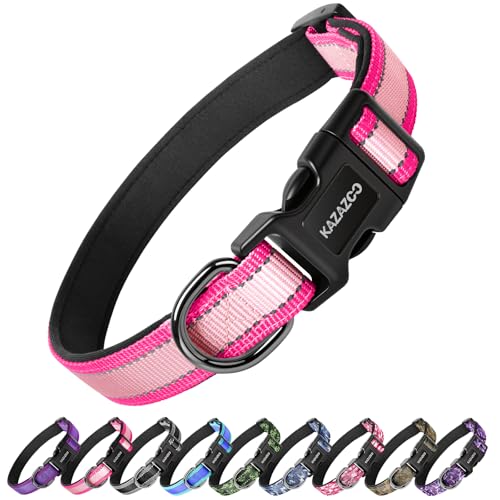
【Enhanced Comfort & Durability】 Designed with your pet's comfort in mind, this collar features an extra cushioning layer of thick neoprene padding on the back for superior softness and neck support. Paired with high-quality, skin-friendly nylon, it offers exceptional strength and water resistance while preventing irritation and slipping. This combination ensures a secure, chafe-free fit for all-day wear in any weather condition

【Enhanced Comfort & Durability】 Designed with your pet's comfort in mind, this collar features an extra cushioning layer of thick neoprene padding on the back for superior softness and neck support. Paired with high-quality, skin-friendly nylon, it offers exceptional strength and water resistance while preventing irritation and slipping. This combination ensures a secure, chafe-free fit for all-day wear in any weather condition

【Enhanced Comfort & Durability】 Designed with your pet's comfort in mind, this collar features an extra cushioning layer of thick neoprene padding on the back for superior softness and neck support. Paired with high-quality, skin-friendly nylon, it offers exceptional strength and water resistance while preventing irritation and slipping. This combination ensures a secure, chafe-free fit for all-day wear in any weather condition
Protective Instincts Toward Children
Although both male and female German Shepherds guard their families fiercely, the way they express that protection can differ noticeably. You’ll find that females often display maternal‑protective instincts, bonding closely with every child and preferring gentle, cuddling interactions. Their subtle alerts let you evaluate strangers before they act, which reduces false alarms around kids.
Males, by contrast, tend to emphasize territorial vigilance; they react quickly and visibly to intruders, offering a strong deterrent but sometimes reacting with rough play that can knock a small child. Both sexes rely heavily on breeding, early socialization, and consistent training; gender alone accounts for only a fraction of the overall safety profile.
Energy Level Compatibility
When you evaluate a German Shepherd’s energy level for a household with kids, the dog’s sex shapes both activity demands and safety considerations. Males tend to be bold, high‑energy, and physically playful; they crave intense exercise and often exhibit prolonged adolescent exuberance that can translate into rough, boisterous play.
Their larger, muscular build raises the risk of accidental knocks or bumps during vigorous games, especially with toddlers. Females usually display calmer, more adaptable energy, mature earlier, and prefer cooperative, task‑focused interaction.
Their slightly smaller stature lessens impact when jumping or running, and their gentler temperament promotes patient, nurturing play. Matching a family’s activity routine with a female’s moderate stamina or providing structured outlets for a male’s stamina helps maintain safe, balanced interactions for everyone involved.
Training Ease For Families
Because female German Shepherds usually hit behavioral maturity by 18–24 months, they exhibit impulse control earlier than males, which makes day‑to‑day training with children smoother and more predictable. You’ll notice that a female’s focused attention during short sessions allows you to instill basic manners—sit, stay, gentle play—within weeks, reducing the supervision load while your kids interact.
In contrast, a male often retains a prolonged adolescent phase, displaying boisterous jumps and testing boundaries until 30 months, which demands consistent structure and experienced handling to avoid accidental roughness.
Female dogs typically show lower dominance and gentler responses, lowering the risk of confrontations when a child’s noise spikes. Both sexes protect, but a female’s calm, child‑centered alertness aligns with safety goals for families committed to nurturing responsible guardians.
Which Sex Keeps a Calm, Low‑Stress Home?
When you consider a German Shepherd’s impact on household atmosphere, females typically bring a natural calmness that eases daily stress.
Conversely, males often require you to manage their energy through structured exercise and firm training to prevent heightened arousal.
Balancing these traits with consistent socialization will help you create a low‑stress home regardless of the dog’s sex. Packing a bag with familiar dog essentials before trips can also reduce stress, since a German Shepherd that feels comfortable on outings is less likely to become overaroused in unfamiliar settings.


RUBBER MATERIAL: HIPPIH treat dispensing dog ball is made of extra-tough rubber with good elasticity, good for your sweet dog grinding and fresh their teeth. ( Blue color-2.75 in, Green color-3.14 in, suitable for medium and large dogs. Not suitable for miniature small dogs, such as Yorkshire Maltese, etc) NOTE: The dog puzzle ball must be wider than your dog's mouth
Female’s Natural Calmness
Although individual temperament varies, female German Shepherds generally exhibit a gentler, more measured demeanor than males. When you invite a female into your household, you’ll notice her calm energy modulating daily rhythms.
She tends to rest between play bouts, offering predictable quiet periods that ease coworker or family stress. Her protective instinct focuses on specific members, especially children, delivering alertness that’s thoughtful rather than noisy.
This nurturing, cooperative attitude reduces overt dominance and lowers territorial disputes, fostering harmonious multi‑person and multi‑pet settings.
Faster behavioral maturation means she shifts from puppy impulsivity to stable adulthood sooner, so you spend less time managing high‑energy outbursts.
Male Energy Management
Since male German Shepherds naturally run at a high energy level, you’ll need to pair regular physical outlets with focused mental tasks to keep the household calm.
Research rates the breed 5/5 for energy, indicating at least ninety to one‑hundred‑twenty minutes of vigorous activity daily. Structured runs, hikes, or fetch satisfy their work‑driven drive, while obedience drills, scent puzzles, and task‑based games expend residual arousal.
Consistent schedules signal shift from “work mode” to relaxation, reducing pacing and excessive barking. Clear rules, firm leadership, and early socialization redirect bold, protective instincts into predictable behavior.
Neutering can modestly lower territorial aggression, but disciplined training remains primary for maintaining a low‑stress environment. Provide daily enrichment and monitor stress signals to ensure the dog remains engaged and tranquil.
Best Working & Sport Roles for Males Vs Females
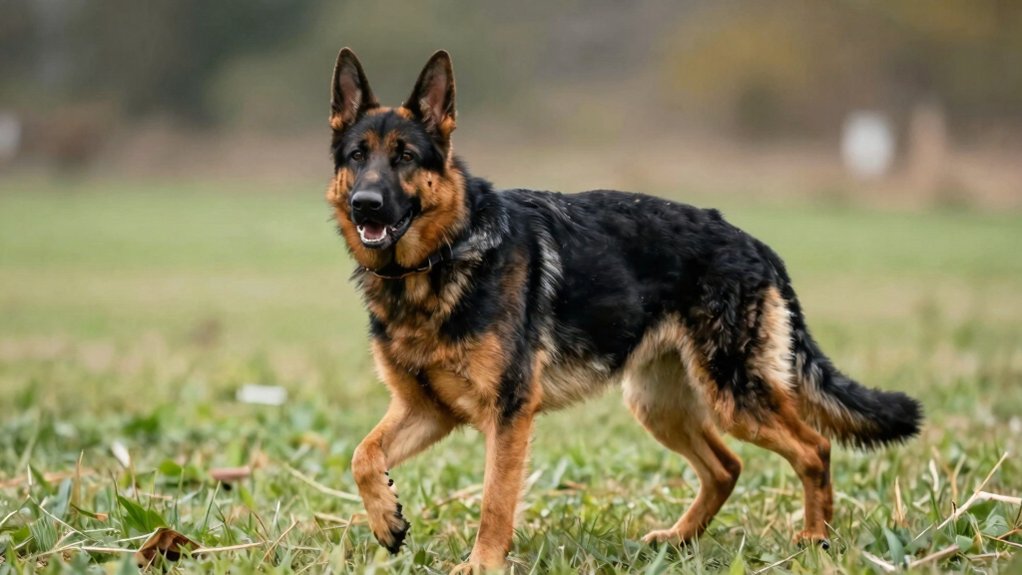
Because male German Shepherds tend to be larger and more assertive, they’re often the top choice for physically demanding protection, patrol, and apprehension work.
Whereas female German Shepherds, with their lighter frame and steadier temperament, frequently excel in agility, obedience, and scent‑based tasks.
You’ll find male dogs excel in police patrol, guard duty, and the protection phase of IGP/Schutzhund, where their size, bite force, and confident presence deter threats.
Assign them to heavy‑load search, tactical apprehension, or mountaineering tasks that demand stamina and muscular power.
Female dogs shine in detection, tracking, and search‑and‑rescue, leveraging their steady nerves and nimble bodies to maneuver rubble and locate scents.
They also dominate agility trials, obedience rings, and scent‑detection competitions, delivering remarkably consistent focus and rapid, precise movements.
A German Shepherd Doberman mix can inherit the strong guarding instincts of both parent breeds, so early and consistent training is essential for any dog assigned to protection work.

Design for Medium&Large Breed Dogs:Heavy duty dog harness is made of 1000D nylon materials,provide durability and comfort,with 2 shoulder metal buckles(Proof-load test:up to 1100 lbs),fits for medium and large dogs such as:German Shepherd, Belgian Malinois, Golden Retriever, Huskie, Labrador, Akita, etc. A professional working dog vest for service, police or military dogs.
Frequently Asked Questions

ROUNDED PIN : The long tooth undercoat rake brush has smooth rounded pins that make it easier for pets to accept grooming. The 0.94 foot long steel teeth of the rake penetrate deep into the dog's hair to remove loose fur and remove all mats, tangles and knots. Long tooth undercoat dog rake brush Not suitable for cats, puppies or short-haired pets.

Dual-Sided Design: Start with 9 teeth side for stubborn mats and tangles and finish with 17 teeth side for thinning and deshedding. Achieve faster and more professional dematting and grooming results

VERSATILE SHEDDING & DEMATTING COMB – Our dual-sided pet grooming tool combines a 12-blade dematting comb for dogs and cats to remove mats, knots, and tangles with a 23-blade deshedding tool for dogs that reduces loose fur, undercoat, and shedding. Works as a pet grooming brush, kitten brush, cat combs for indoor cats, dog brush short haired dogs, short hair dog brush for shedding, undercoat rake for dogs, and grooming brush for long-haired pets. A must-have for golden retrievers, huskies, doodles, poodles, and other thick double-coated breeds.
Do German Shepherds’ Coat Colors Differ Between Males and Females?
No, their coat colors don’t differ; both male and female German Shepherds share the same palette—from black‑and‑tan to sable, bi‑color, blue, and white—so you can choose based solely on temperament and personal service overall needs.
How Does Neutering Age Affect Joint Health in Each Sex?
You might think early neutering isn’t harmless, but neutering before 6‑12 months triples females’ joint‑disorder risk and doubles males’ cranial cruciate injury risk; waiting until 12‑24 months markedly reduces those hazards for your dog’s health.
Are There Differences in Lifespan Between Male and Female German Shepherds?
You’ll find that female German Shepherds generally outlive males by roughly one to one‑and‑a‑half years, thanks to slightly smaller size and hormonal factors; proper care can further narrow that gap and improve overall longevity markedly.
Can a Male German Shepherd Be a Good Therapy Dog?
Yes, you’ll find that a well‑selected, socialized male German Shepherd can become an excellent therapy dog, offering calm confidence, keen empathy, and reliable support for clients when trained and managed responsibly in diverse therapeutic settings.
Do Male and Female German Shepherds Require Different Grooming Routines?
Like twin rivers flowing side by by side, male and female German Shepherds need the same grooming routine; coat density may vary slightly, so you’ll brush longer on males, but the schedule stays still ultimately identical.