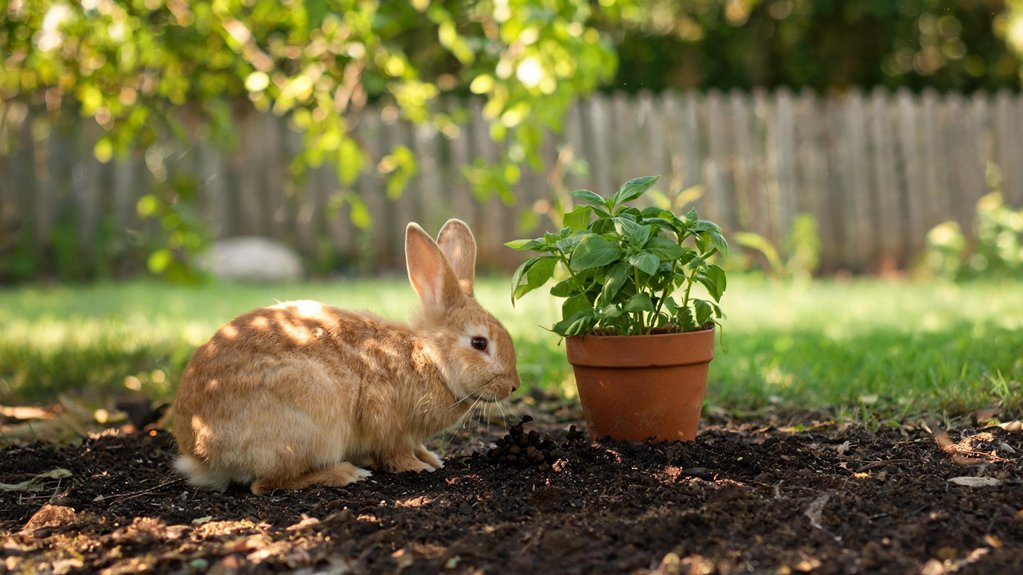
You’ll love Dutch rabbits: they’re compact, usually 3.5–5.5 lb, calm, gentle, and curious. Aim for a roomy setup, at least 4 sq ft, plus 3–4 hours of supervised play daily. Feed unlimited hay, then measure pellets (about 1/8–1/4 cup per 5 lb) and greens (about 1 cup per 2 lb). Watch color markings too, sharp white blaze, even “socks,” no muddy junctions. Budget for vet care and yearly supplies—you’ll get more solid tips next.
Swift Summary
- Dutch rabbits are compact, calm, and curious, weighing about 3.5–5.5 lb, with a gentle handling-friendly temperament.
- Their signature Dutch pattern needs sharp, even white markings: a symmetrical blaze, collar/chest band, and uniform white socks.
- ARBA-recognized solid color varieties include Black, Blue, Chocolate, Gray, Golden Yellow, Lilac, Chinchilla, Steel, and Tortoise.
- Use dilute-color expectations carefully: black turns blue, chocolate turns lilac, while markings stay steady under the Dutch white gene.
- Care includes weekly grooming, at least 4 sq ft space, and 3–4 hours of supervised daily play, plus early monitoring for teeth problems.
Dutch Rabbit Quick Facts: What to Expect
Before you bring home a dutch bunny, you’ll want to know what “typical” looks like. A dutch rabbit stays small to medium, usually 3.5–5.5 pounds for adults, with a compact, well-rounded body and short, dense coat. You’ll enjoy their calm, gentle temperament. Many dutch rabbits have a recognizable two-tone pattern with a white front half and darker back half, including the ears and around the eyes. They act curious, playful, and friendly, and many respond well to routine cues, plus litter training. Most live about 5–10 years, with hay, dental health, and gut movement depending on steady feeding. Plan weekly grooming, 3–4 hours of supervised play daily, and at least 4 square feet. Here’s the dutch rabbit pros and cons.

【Easy Eating】: Our hay feeder is perfect for small animals like rabbits, guinea pigs and chinchillas, making eating easy. Size:6.9 inches long x 4.7 inches wide x 6.6 inches high

【Easy Eating】: Our hay feeder is perfect for small animals like rabbits, guinea pigs and chinchillas, making eating easy. Big Size:6.9 inches long x 4.7 inches wide x 6.6 inches high,Small Size:6.2 inches long x 4.4 inches wide x 6.6 inches high

【 Easy to eating】 Hay and food two in one multifunctional feeder, with a hanging design, better saves space and can also be placed separately. In addition, it can also be split and placed, with an internal sloping design below the rear bumper, which pushes the hay forward and makes it easier for pets to eat
Dutch Rabbit Origins: The Dutch Connection and “Hollander” Name
You’ll trace the Dutch bunny back to Brabant, where Petite Brabançon meat rabbits in the Low Countries carried that classic white blaze-and-saddle look, and that’s also why you may see the name “Hollander.” Dutch rabbits are a In the 1830s, English fanciers got imported rabbits from Belgium’s Ostend, then carefully bred the ones with the most even markings until the Dutch pattern became a standardized show type by the 1860s.

Sifter Scoop for Better Feeding Experience: This rabbit food sifter spoon is designed to deal with powder in rabbit food, efficiently filtering out powders. It ensures rabbits, guinea pigs, and other small animals get cleaner pellet feed, reducing picky eating and waste. A great tool for traditional rabbit feeders

Precision Measurements: Our feed scoop is equipped with clear and accurate measurements, allowing you to dispense the perfect portions for your horses. come with Black Horse Measuring Tape as a gift.

The SureScoop is designed to measure both sweet and pellet feeds
Brabant Roots And Petite Brabançon
If you’re chasing the “dutch bunny” story, it helps to start with its roots in the Brabant region. You’ll find Brabant meat rabbits in the Low Countries, bred for food before fancy showing. From there, the Petit Brabançon—an old Brabant breed—steps in. You can even spot its blaze-and-saddle style in 15th-century art. These rabbits often carried the early white and colored markings you see today. These rabbits are known for signature blaze-and-saddle markings. Then, breeders in England imported Brabant stock and selected for even, symmetrical patterns, steadily fixing the look. Early names like Brabanter and Brabander fit that shared Brabant type.
Hollander” Name English Recognition
Ever wonder why “Dutch rabbit” sometimes shows up as “Hollander” in older books? Here’s the quick, helpful answer.
You’ll see “Hollander” and “Brabander” used as common names, and some antique prints even show rabbits identified in this Dutch/Hollander style.
In many European guides, “Hollander” directly equals the Dutch rabbit, and modern lists still list it as an alternative name.
And when Brabander-type rabbits arrived in England, people called the patterned ones Hollanders first, then “Dutch” later.
That name shift reflects show selection for crisp blaze and saddle markings.
Serve your rabbit well, learn the wording.
Breed Development In 1830s England
During the 1830s, English breeders took a rabbit type that already existed in the Low Countries and turned it into the foundation for what people later called the Dutch, or “Hollander,” rabbit. You can trace the roots to Petit Brabançon and Brabander meat rabbits from Brabant, shipped through ports like Ostend.
In England, traders brought rabbits with white blazes, white chests, and banded, piebald body markings. Then breeders selected the clearest, most even patterns first.
Over time, they fixed the famous facial blaze and saddle color split—so “miscellaneous” meat stock became a distinct fancy breed.
Dutch Rabbit Recognition: ARBA Status and Breed Standards
ARBA does recognize the Dutch rabbit as an official, show-eligible breed, and that status matters because it ties directly to the rules judges use.
ARBA recognizes the Dutch rabbit as official and show-eligible—meaning judges follow ARBA rules when evaluating them.
So you’ll want to follow ARBA’s Standard of Perfection, overseen by the ARBA Standards Committee.
Dutch show types sit in a compact breed category, and ARBA runs four classes, with junior and senior bucks and does.
Next, study approved Dutch colors and varieties: Black, Blue, Chocolate, Gray, Golden Yellow, Lilac, Chinchilla, Steel, Tortoise, plus white markings.
For pattern, aim for sharp symmetry: a clean, even blaze, a continuous white collar and chest band, and uniform white “socks.”
Disqualifying faults can include white spots in colored areas.

Clean Pets, Clean House: Depets cat & dog brush for shedding can easily remove loose hair, shedding mats, dander and dirt of your pet, which not only keep your pet clean, but also provide you with a clean and hygienic home environment

Cat Hair Remover: Quickly and easily detangles fur, removes loose hair and smoothes the coat

【2-Piece Design (Extra Large & Small) for Versatile Grooming】 Comes with 2 slicker brushes (1 extra large, 1 small). The extra large brush is suitable for large-area grooming of medium/large dogs and long-haired pets; the small brush is ideal for sensitive areas (face, ears) and small pets like cats and rabbits. One set meets all grooming needs.
Dutch Rabbit Size and Weight: Body Type Guidelines
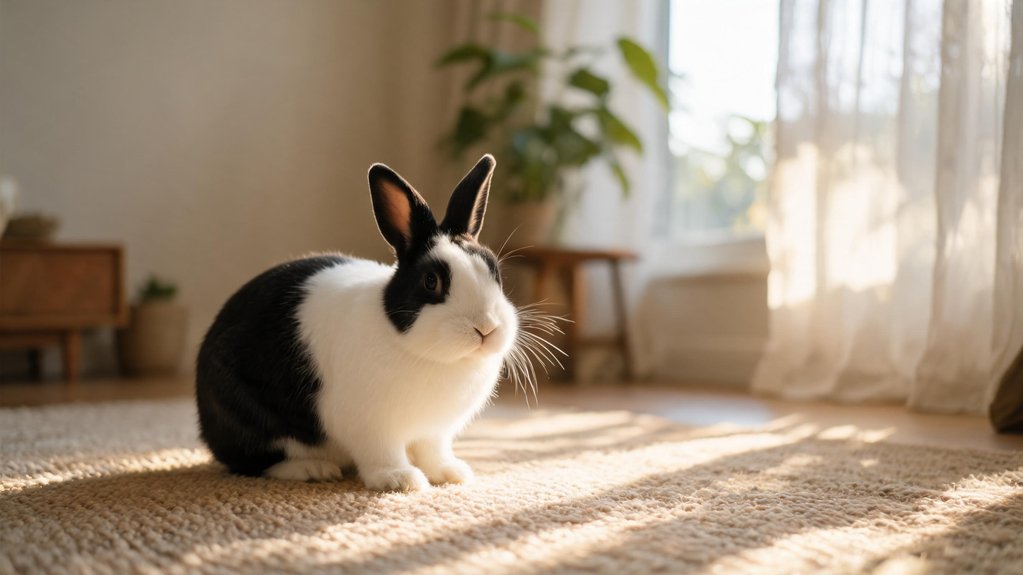
Once you know you’ve got a true Dutch, you can judge the size right away—because Dutch rabbits should look compact, cobby, and well-rounded, not long and fine.
Aim for a typical mature weight of about 3.5–5.5 lb, with an ideal near 4.5 lb.
Some seniors in show classes can start as low as 3.5 lb, but breeders also watch body condition, not just numbers.
You should expect full size around 6–7 months.
A good topline rises smoothly, then rounds over the hips, with short, stocky legs.

HIGHLY ABSORBENT LAYERS - Stop worrying about overflowing pet toilet training pads. These toilet training pads have an ultra-absorbent core that can hold up to 3 cups of liquid. A saturated training pad is a thing of the past as these pads utilize a moisture-locking technology that turns liquid into gel almost instantaneously.
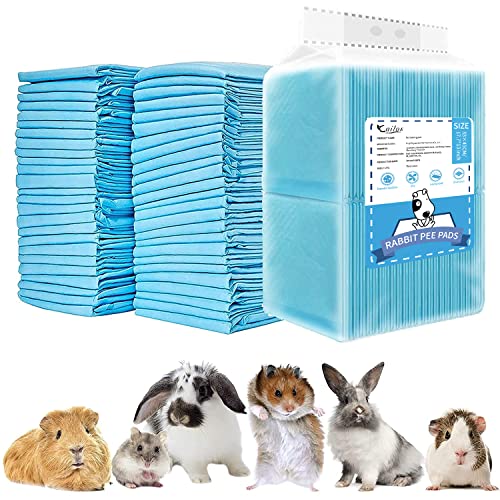
Small Animals Pee Pads - The pet training pads suitable for guinea pigs, hedgehog, hamsters, chinchillas, cats, rabbit and other small pets. whether you are potty training a puppy, taking care of an old dog or taking care of other small pets

Odor Suppression:Bamboo charcoal rabbit pee pad contains activated carbon, which can effectively suppress the odor emitted by pets during defecation and maintain fresh air in the environment,100 piece rabbit pee pads,cage black carbon liner
Dutch Rabbit Markings: Coat Pattern and Signature Dutch Look
When you’re picking or checking a Dutch bunny, focus first on the signature white blaze—an even, wedge-shaped blaze that runs up the face between the eyes, widening toward the nose.
Next, make sure the saddle color division is crisp: the straight line of color across the back just behind the shoulders should clearly separate the white front from the colored hindquarters, and the undercut should continue the divide across the belly.
Then keep those clean-cut markings looking sharp, too—trim and brush often, and watch for any “color drags” or stray hairs that blur the junctions where white meets color, especially on the saddle and the rear-foot stops.

16 ft² Spacious Space: Provides 16 square feet of living area for small animal. Ideal extension of our rabbit cage or independent use. Give small pets freedom to frolic indoors or outdoors

🏆【Good Guinea Pig Cages】Our small animal cage is made of high-quality coated steel, which is more durable and sturdy. The distance between the encrypted pet fence c&c grids is about 0.5 inches, which will not trap small animals. There is a small animal pet playpen with a door inside the set for easy management of your pet's entry and exit. Add a unique transparent panel design and place it at the top of the fence for easy observation of small pets. Assembled size can be 47.5" x 23.7" x 31.5".

🏆【Multiple Combinations】Our small animal cage is made of high-quality coated steel, which is more durable and sturdy. The distance between the encrypted fence iron mesh is about 0.5 inches, which will not trap small animals. You can customise the small animal pet playpen into various sizes according to your needs easily.
Signature White Blaze Pattern
You’ll spot a Dutch rabbit fast because of one standout feature—the signature white blaze. Think of it as an even wedge or triangle of white along the facial midline, starting near the nose region, then running toward the ear bases. You want medium width, with straight, symmetrical edges, and consistent spacing from the eyes and cheeks.
The blaze should include the nose and whisker bed, then taper as it approaches between the ears. Keep it clean, too—no drags, smears, or white invasion into colored fur.
Then watch for a linked hairline “bridge” to the neck collar.
Distinct Saddle Color Division
After you nail the signature white blaze, look to the back for the next “spot it right away” clue—the distinct saddle color division.
You’re checking the crisp line where white forequarters meet colored hindquarters, starting just behind the shoulders.
The saddle band should run straight and even, without drags, ragged edges, or breaks, and it mustn’t touch the elbow joint, because that’s a show disqualification.
Next, keep the contrast strong, with deep solid color like black, blue, or chocolate.
And remember, wavy saddles lower scores—so you’ll want symmetry.
Clean Cut Markings Maintenance
To keep your Dutch rabbit’s markings looking crisp, focus on clean, sharp boundaries, especially on the face. You’re aiming for razor-sharp edges where the white blaze meets the colored cheeks and ears, with no ragged or wavy lines.
Gently wipe the white facial fur with a damp cloth, don’t dunk or fully bathe. Then, check weekly for matting, discoloration, or offset lines.
Brush around the face and during molts to catch stray hairs that blur the wedge and cheek circles.
For the neck and collar, use a damp cloth, keep bedding dry and clean.
Trim nails every 3–8 weeks.
Dutch Rabbit Coat Colors: ARBA Solid Varieties
If you’re shopping for a dutch bunny, the coat colors you’ll see at ARBA shows fall into a neat set of solid Dutch varieties—not a random mix.
And those solid options include Black, Blue, Chinchilla, Chocolate, Golden Yellow, Gray, Lilac, Steel, and Tortoise.
ARBA expects these colors to show with classic Dutch white markings, not as plain “self-colored” fur.
For help serving others with smart choices, aim for quality basics: rich, even color that reaches toward the skin, and no white hairs, mealiness, or flecks in the solid shade.
Black should look glossy.
Blue should stay medium and non-rusty.

【HIGH QUALITY METAL MATERIALS】The BESNEW rabbit feeder and food box are crafted from high-quality metal materials,bite-resistant and durable.There is no need to replace it frequently,which would increase costs.

Less Wasted Hay: Say goodbye to wasted hay scattered all over the cage! our hay feeder rabbit design keeps the grass from falling and prevents your pets from trampling or soiling their food, ensuring they get only the freshest, cleanest hay every time.

1.【Durable Construction】: The metal frame rabbit hay feeder is made of heavy-duty metal that can withstand the wear and tear of daily use, ensuring long-lasting durability.
Understanding Dilute and Specialty Dutch Rabbit Colors

Dilute Dutch colors can feel like magic, but the magic has a simple cause: the dilute gene makes the dark pigment lighter.
You’ll see it most in black turning to blue, and chocolate turning to lilac.
Blue gives a slate or smoky tone, not deep black.
Lilac becomes a soft dove-gray, often with brownish hints.
Dilute also lightens self and patterned coats, yet keeps white Dutch markings steady, since the Du gene controls them.
And it interacts with agouti banding, tan (at), and extension (E/e), creating looks like dilute agouti or dilute orange/fawn.
When choosing, use ARBA guides.

FOOD-GRADE MATERIALS: The food spoon is made of food-grade PET and ABS materials and can be in full contact with food. The smooth surface is easy to clean, ensuring every bite your pet takes is safe, and it‘s durable and sturdy for several years uses!

2-Pack Value Set – Includes two durable plastic black scoops, perfect for keeping one in the pet food bin and another for travel or backup.

Embossed “1 Scoop” marking for consistent feeding – Clearly stamped for long-term visibility and repeatable portion control.
Choosing a Dutch Rabbit Temperament for Home Life
When you choose a Dutch rabbit, look for a lively, alert personality that still stays gentle—curious eye, quick little hops, and calm moments when you sit nearby.
Start handling from day one, keep sessions short (5–10 minutes), and always lift at floor level or support the whole body, because their spine is fragile and rough lifting hurts.
And if you’ve got a busy home, match that confidence level to your daily routine, give them supervised free-roam time, and you’ll set your family up for an easier, friendlier bond.

SLICKER BRUSH FOR CAT DOG - Gently removes loose undercoat, eliminates tangles, knots, dander and trapped dirt, perfect cat dog deshedding brush, fits long and short hair coat

【Easy Desheding】: Swihauk self cleaning dog brush for long haired dogs with release bottom helps effortlessly reduce shedding. A must have dog brush for short haired dogs, cat brush for indoor cats, cat brush for shedding, slicker brush for dogs.
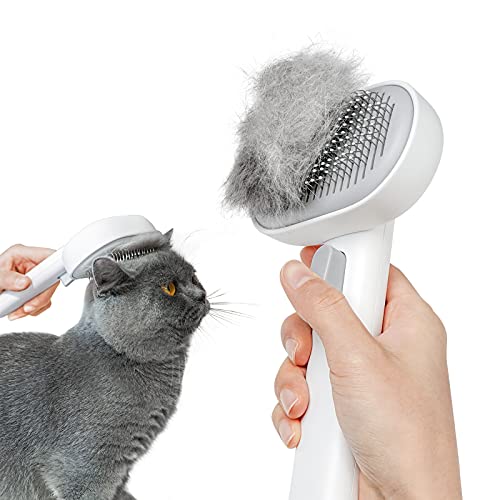
【Professional Cat Hair Brush】Perfect gift for pet owners, vets, and pet groomers. Using this cat brush for long haired cats on a regular basis can gently and effectively remove loose hair, tangles, knots, dander and trapped dirt. Suitable for short, medium or long, thick, thin or curly haired dogs/cats/rabbits, making your pets shiny and healthy.
Lively, Alert Personality Fit
With a Dutch bunny, you’re usually choosing a rabbit with a calm, gentle, easy-going temperament that fits right into everyday home life.
You’ll still notice lively, alert moments, because rabbits stay prey-aware.
At first, sudden noise or quick movement may make your Dutch bunny startle.
Keep routines steady, dim drama, and offer predictable play times.
Plan free-roam or supervised floor time near dawn and dusk, so they can explore safely.
Give tunnels, boxes, and foraging toys, because boredom can lead to chewing or digging.
You can train with short sessions, even litter training.
Gentle Handling From Youth
Gentle handling from youth is one of the best ways to shape a Dutch bunny that feels safe with you in everyday life.
Start around 10 days old, if you’re working with a breeder, and keep it consistent.
You do short, calm touch sessions daily.
Begin when the rabbit approaches, don’t rush.
Pet at ground level, so feet stay supported.
If you must lift, fully support the body, hold secure but gentle, and keep sessions brief.
Then pair touch with rewards and include grooming and health checks.
If handling is rough or inconsistent, your Dutch may fear you, hide more, and resist care.
Dutch Rabbit Lifespan: Realistic Year Ranges
For most pet Dutch rabbits, you can plan on a lifespan of about 5–9 years, with 6–9 years being the realistic “middle of the road” range that many breed guides and care sources point to.
For most pet Dutch rabbits, plan on about 5–9 years, with 6–9 years the realistic middle-of-the-road range.
That’s the range you should plan around when you’re being kind to your future self and your rabbit.
Many well-cared Dutch rabbits can reach 10–12 years, and rare cases may go toward 15 years.
Compared with general pet rabbits, which often average closer to the high single digits, you’re choosing a mid-to-high longevity small breed.
House indoors, support steady care.

[ SMALL SIZE ] - 13 in x 18 in (33 cm x 45 cm) 100 count. Perfect standard size for small breed animals including puppies, kittens, rabbits, gerbils, hamsters, birds and hedgehogs. INTENDED FOR SMALL BREED DOGS AND CATS UNDER FIVE (5) POUNDS, PLEASE MEASURE BEFORE ORDERING. This is the edge to edge measurement with the actual 6 layer absorption area about one inch inside these figures. These pads can also be used with small breed puppies and kittens or spread out in multiples for larger breeds crates and pet toilets. Also, they're great for placing under your feed and water bowls for easy clean-up and spill protection.

【Reduce Odor】Pet pee pads for rabbits contain activated carbon,The surface of small pee pads for rabbits is white,The interior of the rabbit training pads contains activated carbon adsorption molecules,Activated carbon can eliminate the odor in urine and make the home less smelly.

ODOR CONTROL - PeSandy pet pee pads are made with a blend of natural carbon fiber tissue to help control odors of pet‘s urine while keeping a natural and clean environment. Warm tips: totally baking soda free.
Common Dutch Rabbit Health Issues to Watch For Early
Spot health problems early, and you often prevent them from turning into emergencies for your Dutch bunny. Start with teeth. Malocclusion (misaligned bite) can overgrow molars, causing spurs that cut the tongue and cheeks.
Watch for less hay, wet chin, facial swelling, and fewer “self-cleaning” grooming habits. Next, GI stasis (gut slowing) is an emergency.
Look for sudden appetite loss, fewer or no pellets, lethargy, and a bloated belly. Also note sneezing, nasal discharge, noisy breathing, or eye crusting, because sinus infections can spread fast.
For females, consider early spaying to lower uterine cancer risk.
Grooming a Dutch Rabbit: Steps for a Sleek, Healthy Coat
Gather a safe grooming kit first—think a slicker brush or rubber grooming mitt, a wide-toothed comb, and a fine comb (for tiny tangles), plus cotton and pet-safe wipes.
Then brush your Dutch bunny once or twice a week, and during spring or fall molts go to daily or near-daily, using gentle pressure and stroke in the direction of hair growth, so you lift loose fur without hurting thin skin.
Finally, check nails and skin every day, trim nails about every 4–6 weeks, and look for dirt, wet spots, or weird redness before mats turn into a bigger problem.
Gather Safe Grooming Supplies
Before you start grooming your Dutch bunny, set out a few safe, rabbit-sized tools so you can work quickly and gently—your goal is a sleek coat without stressing delicate skin.
Gather a rabbit slicker brush for loose fur, a soft finishing brush for shine, and a fine-toothed comb for tiny tangles near sharp color lines. Add a rubber grooming mitt or massage glove.
For nails, get small-animal rabbit clippers, a file, and styptic powder.
Keep pet wipes and waterless foaming shampoo for spot cleaning.
Also grab vet-recommended ear cleaner, cotton pads, warm water, and paper towels.
Brush Weekly With Gentle Pressure
Once you’ve set up your safe grooming supplies, it’s time to brush your Dutch bunny the right way—so you get a sleek coat without fuss. For a Dutch rabbit’s short coat, brush about once weekly under normal conditions.
Use light, gentle pressure, because rabbit skin is thin, and it tears more easily than dog or cat skin. Glide the brush or comb through fur, don’t press.
Follow hair growth, neck toward tail, and keep all paws on a stable surface. Focus behind ears, under chin, around the dewlap, and over hindquarters.
Each pass, remove collected fur. During spring or fall molts, brush near-daily.
Check Nails And Skin Daily
After you brush, take a minute to check your Dutch bunny’s nails and skin every day. Look at each front and hind foot.
Nails keep growing, so watch for crooked growth, uneven wear, curling, or damage.
Dark nails are tricky, so stop snags early, before you accidentally clip into the quick (the living tissue).
Any broken, ripped, bleeding nail needs prompt vet advice.
And then check the skin, coat, and rear area too. Feel for damp fur, dirt, redness, scabs, or bald patches.
Keep skin clean and dry, and watch weight, body feel, and ear signs.
Nail Trimming and Shedding Management Without Stress
Getting your Dutch bunny’s nails and coat handled without stress gets easier when you treat it like a calm routine, not a wrestling match.
Check nails monthly, and trim every 4–6 weeks, sooner if they extend past fur or click on hard floors.
Use small animal or cat nail trimmers, not human clippers.
Keep styptic powder, corn starch, or flour ready for quick cuts.
For trims, swaddle in a towel, expose one paw, and support chest and hindquarters.
Clip short, then reward.
For shedding, brush weekly baseline, then daily during the big molting, about every 3 months.
Indoor Housing Setup: Space, Flooring, and Safety Basics
Setting up your Dutch bunny’s indoor home right—space, flooring, and safety—makes daily care feel so much easier. Plan for at least 10 ft x 6 ft ground space for a pair, with 3 ft height during daylight confinement. Add a run long enough for three straight hops, and include vertical levels for jumping, without risky falls.
Next, separate zones for rest, eating, toileting, and play. Put a corner litter box with high sides. Choose soft, non-slip flooring, like cotton mats with rubber backing, layered over fleece.
Avoid wire mesh and hard slick surfaces. Bunny-proof: cover cords, block stairs and hazards, and remove toxins and small choke risks.
Enrichment and Daily Exercise: Keeping Your Rabbit Engaged
And you’ll keep your dutch bunny busy by rotating toys and safe chews every few days, so boredom doesn’t set in, and by adding a fresh forage option like hay in a snuffle mat or paper-tube treat finder.
But don’t stop there—do rabbit-proofed daily outings in a secure area for at least 3 hours, with tunnels, cardboard hideouts, and room to sprint, hop, and stretch.
Finally, sprinkle small treats through the space during play, so your bunny has to search for them, which helps satisfy natural foraging (“food-hunting”) instincts.
Rotating Toys And Chews
Rotating your Dutch bunny’s toys and chews keeps her excited, curious, and out of trouble.
Aim for 6–8 total items, but only set out 2–3 at a time.
Make two or three toy “sets,” then switch sets every 1–2 weeks, so she stays interested without buying new stuff.
Each week, rearrange boxes, tunnels, and platforms.
Keep main routes and core hideouts steady to reduce stress.
Offer safe chews like grass hay, plain cardboard, untreated apple, willow, aspen, bamboo, seagrass, and straw.
Use wicker balls and paper-bag foraging.
Rotate chew types often, too.
Rabbit-Proofed Daily Outings
After breakfast, plan a daily rabbit-proofed outing so your Dutch bunny can stretch her legs, run, jump, and do some natural digging without getting into trouble.
Aim for at least three hours total daily, ideally more in daylight, and split it into a few shorter sessions.
Use a secure indoor zone with baby or pet gates, or a large, safe run.
Cover chewable electrical cords with cable wrap, split loom, or heavy plastic.
Block stairs and under-furniture spots.
Place shallow planters of soil or a digging box with hay or shredded paper.
Add tunnels and upturned containers for climbing.
Supervise, and celebrate her zoomies.
Treats For Foraging Enrichment
Wondering how to keep your Dutch bunny busy without overdoing treats? Start with hay-based, high-fiber treats: compressed timothy or mixed hay cubes. They act like chewing enrichment and reward time.
Next, scatter small leafy greens—about 10% of the diet alongside unlimited hay. Try romaine, spring greens, rocket, watercress, and carrot tops.
Add herbs like basil, dill, parsley, or mint in tiny daily bites for aroma.
Use non-starchy veggies for variety, like cucumber or bell pepper.
For sweet fruit, give a 1 cm cube or similar, once or twice weekly.
Introduce new treats slowly.
Use puzzle feeders, hide treats inside hay, and always watch stools.
Outdoor Hutch Planning: Weather Safety and Protection
When you plan an outdoor hutch, you’re really planning around the weather—so start with comfort and safety first.
Aim for 10–20°C, and only keep your Dutch rabbit outside when it’s at least about 10°C.
As temperatures approach 20°C or strong sun, add shade.
Below 10°C they’re uncomfortable, and damp wind can feel worse.
Above 27–29°C, especially if humidity tops 70%, you must cool fast.
Winterize: waterproof, draught-proof, damp-proof, raised 2–3 feet, kept dry, clean, insulated, and with fresh hay in the sleeping area. A weatherproof hutch with a sloped, overhanging roof and solid walls helps keep rain and wind off your rabbit.
Winterize your rabbit hutch with waterproof, draught- and damp-proof walls, raised 2–3 feet, dry insulation, and fresh hay for warmth.
For freeze or heatwaves, arrange quick indoor moves, and check for frozen water often.
Feeding Unlimited Hay: Gut and Teeth Health Essentials
Unlimited hay should be your Dutch bunny’s daily foundation, because it keeps both the gut and the teeth moving the way nature intended. Give free-choice, fresh grass hay every day, ideally timothy, orchard grass, meadow, or ryegrass. This high-fiber food makes frequent small meals, which supports gut motility, meaning steady movement through the digestive tract. It also helps prevent life-threatening gut stasis.
For teeth, remember rabbit teeth grow continuously. Chewing fibrous hay grinds them down naturally. Choose hay that looks green, smells sweet, and stays low-dust. Timothy hay is a well-suited grass hay for everyday feeding, making it a practical staple for daily meals.
Refill constantly within their living area.
Measuring Greens and Pellets: Weight Control Without Overfeeding
Now that you’re keeping hay on a true “all day” schedule, it’s time to measure the rest so your Dutch bunny stays trim—especially pellets, which pack more calories than hay.
For adult weight control, offer about 1/8–1/4 cup plain, high-fiber pellets per 5 lb (2.3kg) body weight daily, many rabbits doing well around 1/4 cup per 4–5 lb.
Leafy greens: aim for roughly 1 packed cup per 2 lb daily, and keep it steady.
Weigh pellets in grams if you can, split into two meals, and slow eating with puzzle feeders.
Treat Limits: Safe Options and Foods to Avoid
Treats should stay small, because rabbits’ guts and body weight both run best on steady hay, measured pellets, and leafy greens—treats are just “extra,” not a second meal.
Aim for treats at about 2–3% of daily ration, or up to roughly 5–10% total.
Offer only 1 heaping tablespoon combined per 5 lb body weight, and cut back the regular meals that day.
Offer just 1 heaping tablespoon total per 5 lb body weight—and reduce the usual meal that day to balance treats.
Choose leafy greens bonuses like romaine or parsley, plus tiny herb treats.
Fruit stays sweet: 1–2 times weekly, like a 1-inch apple cube.
Avoid avocado, chocolate, xylitol, seeds/pits, nightshade foliage, iceberg, onions, garlic, rhubarb leaves, and all meat, dairy, eggs.
Also skip yogurt drops, honey cereal bars, seed sticks, beans, peas, grains.
Clean Water Habits: How to Keep Access Reliable
Clean water isn’t a “nice to have” for your Dutch bunny—it’s part of how you keep everything else working.
Offer fresh water every day, continuously.
Adults often drink about 1/4–1/3 cup per 0.9 kg (2 lb) body weight daily, and they need direct drinking water most of all.
Use a heavy ceramic bowl first, then add a bottle backup for trips or if the bowl gets knocked over. Shallow, wide-based bowls are easier for rabbits to drink from and less likely to tip.
But keep both clean, bowls wash often, and refill daily.
Place water in shade on hot days.
Use room-temperature water, avoid ice-cold.
Watch for reduced appetite, dark urine, dry gums.
Dutch Rabbit Cost in the US: Purchase, Adoption, and Budgeting
Planning for a Dutch bunny in the US? Start by budgeting for more than a purchase price.
Planning for a Dutch bunny in the US? Budget beyond the purchase price—adoption, vet care, and supplies add up fast.
Adoption or rescue fees often run $20–$100 for singles, with bonded pairs $75–$175, and some include spay/neuter, a health exam, and even a microchip.
Pet store costs often land around $40–$75.
Hobby breeders may charge roughly $30 to a few hundred, while high-end reputable breeder reports run $885–$1,490.
Next, plan housing, hay, pellets, and an exotic vet.
Expect about $600–$1,500+ in your first year, and a few thousand over a lifetime.
Frequently Asked Questions
What’s the Most Common Dutch Rabbit Coat Pattern I Should Look For?
Look for the classic two-tone Dutch marking: a white facial blaze and collar, plus a white saddle front with colored ears, cheeks, and hindquarters. You’ll see the clean bicolor division on a compact, glossy coat.
Are Dutch Rabbits Good With Apartment Living and Daily Out-Of-Cage Time?
Yes—Dutch rabbits do well in apartments if you rabbit-proof your space, give a secure indoor enclosure, and provide several hours of supervised out-of-cage time daily. Their friendly, active temperament thrives on interaction, enrichment, and safe room to hop.
Which ARBA Dutch Colors Are Dilute or Specialty—Not Standard Solids?
“Don’t judge a book by its cover.” ARBA Dutch dilute/specialty colors include Beige, Cream, Gold, Lilac, Orange, Red Eyed Orange, Red, Golden Yellow, Silver Solid, Brindle, plus dilute pairs like Beige/Orange, Beige/Cream, Chocolate/White.
How Often Do Dutch Rabbits Need Nail Trimming if They’Re Indoors?
If they’re indoors, you should check your Dutch rabbit’s nails at least monthly and trim roughly every 4–6 weeks. Some do fine every 6–8 weeks, depending on growth and smooth flooring. Listen for clicking.
What Are the First Signs of Dental or GI Problems in Dutch Rabbits?
You’ll first notice subtle changes: your Dutch rabbit eats less hay, drops fewer smaller poops, sits hunched, and shows wet chin or dribbles. You may see quidding, watery eyes, grinding, or fewer caecotrophs—then get vet help fast.