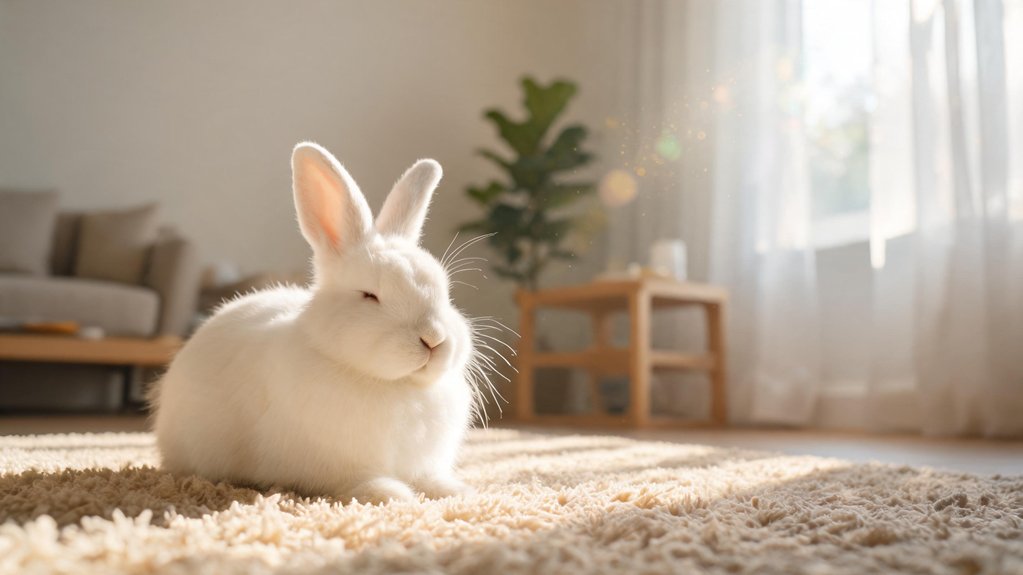
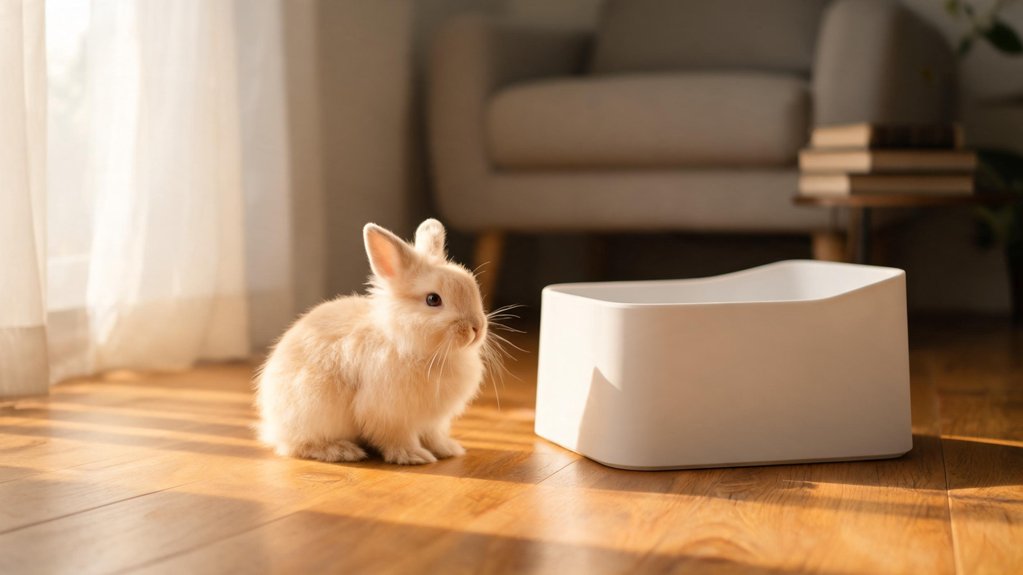
When you compare a wild rabbit to a domestic one, you’re looking at very different needs. Wild rabbits stay wild and stress fast when handled, often panicking and kicking, and it’s illegal in many US states to keep them. They’re about 3–4 lb, live ~1–2 years, and may carry worms. Domestic rabbits are calmer, live 8–12 years, eat mostly grass hay/greens, and need safe indoor housing plus a rabbit-savvy vet—keep going and you’ll see the key differences clearly.
Swift Summary
- Wild rabbits should not be kept as pets; handling triggers extreme panic and may be illegal in many U.S. states.
- Domestic rabbits often live 8–12 years, while wild rabbits typically survive about 1–2 years due to predation and harsh conditions.
- Diet differs: wild rabbits graze low-energy grasses and foraged plants, while domestic rabbits rely mainly on hay/grass plus greens.
- Health risks vary: wild rabbits can carry intestinal worms and Giardia, often requiring fecal testing and rabbit-savvy veterinary care.
- Housing and safety differ: wild rabbits use burrows with escape routes, while domestic rabbits need secure, ventilated indoor or supervised outdoor enclosures.
Which Rabbit Fits Your Life: Wild vs Domestic?
If you’re trying to build a happy home life, domestic rabbits are the safer, more practical choice. When you compare wild rabbit vs pet rabbit, you’ll see the difference fast.
A wild rabbit stays wild. You can’t really domesticate a wild rabbit, even if it’s raised from babyhood. It will stay shy, fearful, and unused to human touch.
Handling can trigger nonstop panic, kicking, and life-threatening stress. Also, domestic rabbits are more likely to show aggression when upset or threatened.
Also, keeping wild rabbits as pets is illegal in many US states. Instead, serve your community: leave it in place, and contact a licensed wildlife rehabilitator.

SIMPLE BUT PRACTICAL: The cage protection can effectively block rabbits from high peeing out of the cage, and it can also prevent scatter and mess from falling on the floor, reducing the cleaning work on the floor and walls. Reduces cleaning stress for the owner.

Easy to Use: Please remove the protective film from both sides before use, each piece of pet cage guard has 10 holes, you can easily attach them to the side of the cage with the included ties.

SIMPLE BUT PRACTICAL: The cage protection can effectively block rabbits from high peeing out of the cage, and it can also prevent scatter and mess from falling on the floor, reducing the cleaning work on the floor and walls. Reduces cleaning stress for the owner.In addition, The baffles can block guinea pigs from escaping through the gaps in the fence.
Wild vs Domestic Rabbit Size and Typical Lifespan
When you compare wild rabbit vs pet rabbit, size and lifespan tell the story fast.
Wild rabbits usually weigh about 1–2 kg, roughly 3–4 lb, and run around 30–40 cm long, 12–16 in. Their life in the wild is tougher, predation and harsh weather cut it down, so many survive only about 1–2 years.
Wild rabbits weigh about 1–2 kg (3–4 lb) and measure roughly 30–40 cm (12–16 in), built for fast runs.
In a wild rabbit vs domestic rabbit match, domestic rabbits often live 8–12 years with the right care. and some reach near 15.
Choose small breeds if you can, like Netherland Dwarfs, for the best odds.
Wild vs Domestic Rabbit Health: Parasites and Vet Care
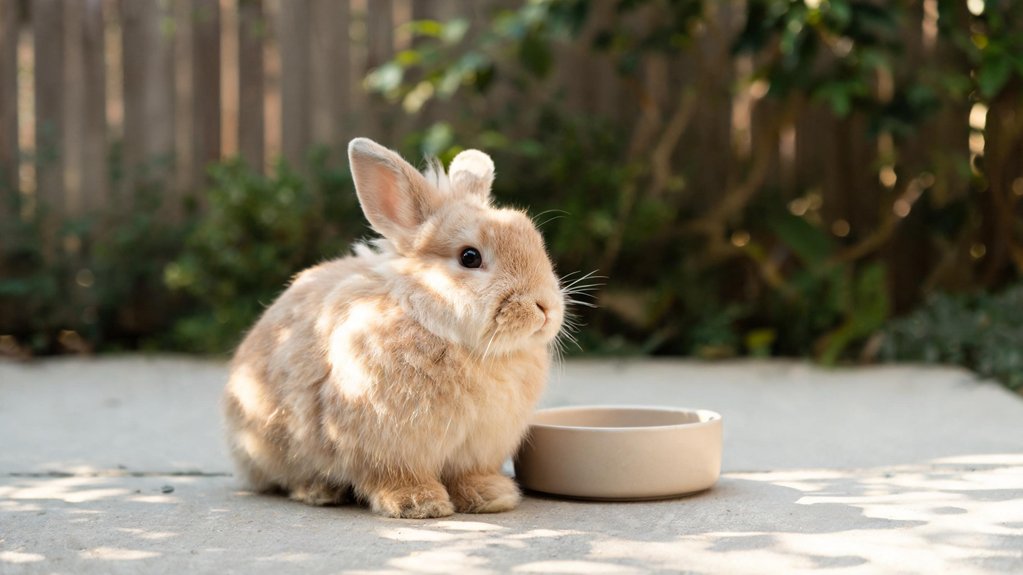
But when you’re thinking about wild rabbits, remember their parasite mix is often different—some wild rabbits carry intestinal worms and tapeworm larvae, and some can even carry organisms like Giardia, which can spread through dirty water. For domestics, you’ll usually rely on a rabbit-savvy vet for things like coccidia (a gut parasite), pinworms, and symptoms-checks, and you should schedule a fecal test when you first adopt or if you see diarrhea or weight loss. If you find a “wild” rabbit, don’t try to tame or keep it—contact a licensed wildlife rehabilitator, because in many US states it’s illegal to keep wild rabbits as pets.
Wild rabbits may also carry coccidiosis that can be missed without fecal testing.

Sherwood Pet Health

Kits are attractively packaged and have an unlimited shelf life

Common Parasites In Wild
Wild rabbits often carry more—and more different—parasites than domestic pet rabbits, so their health can look “okay” while parasites quietly work in the background.
When you ask can a wild rabbit be a pet, or weigh pet rabbit vs wild rabbit, focus on what you can’t easily see.
Common parasites in wild include gastrointestinal nematodes (worms in the gut), coccidia (tiny gut protozoa causing diarrhea), and tapeworm larvae (cyst stages on tissues).
You also risk ectoparasites like mites.
These infections can stay subclinical, yet still harm livers and intestines.
For humane help, contact a licensed wildlife rehabilitator.
Vet Care For Domestics
Because domestic rabbits get regular vet care, you can catch parasite and health problems early—before they quietly snowball.
Start with an initial exam, then yearly checkups, and help prevent issues that set the stage for parasites, like dental or tummy troubles.
You should also get RHDV-2 vaccines: two doses, 3 weeks apart, then boosters yearly, especially if you keep your rabbit outdoors.
For questions like can you keep a wild rabbit as a pet, know it’s often illegal, and wild rabbits don’t get routine parasite plans, so vets can’t step in early.
Wild vs Domestic Rabbit Food: Grazing vs Hay, Greens, and Pellets
When you compare wild rabbits to domestic rabbits, food habits stand out fast—because each one evolved a different “daily menu.” Wild rabbits graze for about 6–8 hours a day, nibbling low-energy grasses, clover, wildflowers, and weeds in small bites all day long, and they even switch to bark, buds, twigs, or conifer needles when fresh plants are scarce.
That’s your wild rabbit vs bunny clue: constant foraging, low-starch fiber.
For domestic rabbits, you lean on grass hay or fresh grass, about 75–90% of intake. Offer leafy greens daily, about 1/2 cup per 2 lb, plus small measured pellets, roughly 5%.
Keep pellets capped, or digestion suffers.

INSPIRED BY WILD FORAGING HABITS with hand-selected timothy hay, carrot, marigold, rose petal & spinach

VARIETY WITH COMPLETE NUTRITION: Oxbow Forage Wise Adult Rabbit Food offers the variety and texture of a mix diet without the drawbacks. Every piece is fortified, ensuring balanced vitamins, minerals, and fiber for daily rabbit health.

DAILY BUNNY PELLETS: Formulated with 100% of your pet’s daily recommended vitamins and minerals, this balanced rabbit food supports whole-body health, including strong immunity, healthy growth, and vibrant energy levels for rabbits
Wild vs Domestic Rabbit Housing: Burrows vs Indoor Setup
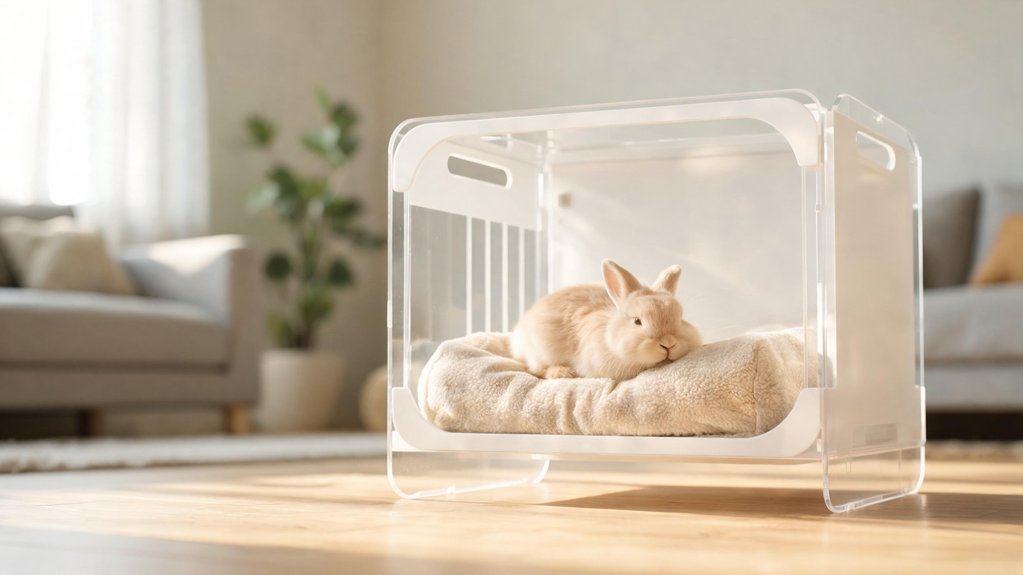
When you picture a wild rabbit’s home, think burrows or warrens—underground tunnels with nesting chambers, where the temperature stays steadier and the rain and sun can’t hit as hard.
But with indoor housing, you set up a secure pen or cage plus supervised runs in a well-ventilated, draft-free spot, so your rabbit stays safe without escaping through hidden exits.
If you’re wondering “can you keep a wild rabbit as a pet,” the humane answer is usually no—laws vary by state, and you’ll want a licensed wildlife rehabilitator to help.

3 DEEP removable tray can pull out from back or front, Better plastic quality, easy to clean !

STURDY & CHEW-RESISTANT: This rabbit hutch is built with solid wood and reinforced aluminum alloy framing—tough enough to stand up to chewing (perfect for active rabbits, guinea pigs, and small pets), weather damage, and daily wear. It won’t warp, crack, or break easily, ensuring long-lasting protection and a safe space for your furry friends, indoors or outdoors
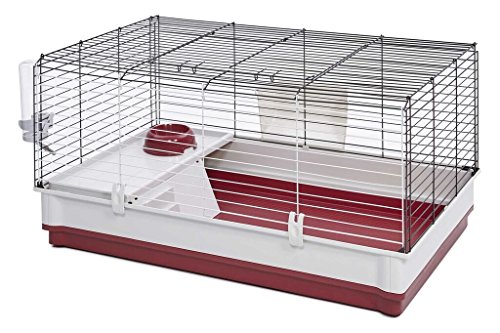
Rabbit Cage includes FREE hay feeder, water bottle, feeding bowl & elevated feeding area | Ideal for Rabbits, Guinea Pigs & Chinchillas
Burrows Vs Warrens Sheltering
Wild rabbits don’t just “hide” in a corner, they build burrows and warrens—real underground shelters with tunnel networks and multiple entrances that help them escape fast and stay protected.
Each tunnel is narrow, about 15 cm wide, with nesting chambers 3–6 ft down, so predators can’t reach easily.
Separate nursery burrows get sealed between nursing visits.
Now compare that domestic rabbit vs wild.
Domestic rabbits still dig, but you control it with secure hutches, climate-stable shelter, and safe digging spots, like deep straw or boxes.
Can you domesticate a wild rabbit?
It’s illegal in many states, so please contact a licensed wildlife rehabilitator.
Indoor Enclosures And Runs
Instead of “just giving them a cage,” think in terms of space, routes, and movement.
If you ask, are rabbits domestic or wild?
Wild rabbits pace in home ranges, about 150–200 m, and they rush back to cover.
You can’t replicate that outdoors, but you can mimic it indoors.
For a pair, aim for at least 3 m x 2 m x 1 m, and for a run, give 240 cm x 180 cm x 90 cm so they can sprint and stretch upright.
Add tunnels, platforms, hidey holes, solid floor for feet, and a sheltered area.
Never keep a wild rabbit as a pet—contact licensed wildlife rehabilitators.
Wild vs Domestic Rabbit Temperament: Handling and Fear Levels
Because they’re prey animals, wild rabbits live with intense, on-alert fear, and that shows up fast when you try to get close.
You’ll see rapid flight, and they often don’t initiate contact.
If you wonder, “can a wild rabbit be tamed,” the humane answer is no—at least not as a safe pet.
When restrained, wild rabbits may kick, bite, scream, and struggle hard.
Domestic rabbits, especially well socialized ones, show slower panic, more tolerance for gentle handling, and steadier reactions.
But even domestics can suddenly spook, so keep sessions brief, calm, and hands-off.
Contact a licensed rehabilitator.
Which One Should You Choose by Owner Type and Goals?
When you’re choosing between a wild rabbit and a domestic rabbit, think about your life, your time, and what you truly want the rabbit to have.
For most people, you should choose a domestic rabbit vs cottontail, because wild rabbit “pets” are often illegal to keep without permits, and risks go beyond cages.
If you’re a first-time owner, go for a socialized domestic rabbit from a shelter or rescue, plan for vet visits, and offer roomy housing, like 2’ x 2’ x 4’ plus safe exercise time.
For wildlife goals, observe outside, and support licensed rehabilitators instead.

Weight: One pack of 250g apple sticks for pet rodents includes premium hamster chew sticks. Dimensions are controlled within a reasonable range, with each stick having a length of about 4.5 inches and a diameter no more than half an inch

Extra-Large Rabbit Playhouse — Dimensions: 16“ x 12” x 11", suitable for adult rabbits, domestic rabbits, guinea pigs, chinchillas, ferrets, kittens, hamsters, and other small pets

This index card holder attaches to your small animal cage door via tabs for identification
Frequently Asked Questions
Can You Domesticate a Wild Rabbit Successfully?
No—you can’t domesticate a wild rabbit successfully. You may tame a single animal briefly, but you won’t change its fear-driven behavior. Keep it wild and contact a licensed wildlife rehabilitator, since it’s often illegal to keep them.
Is It Legal to Keep a Wild Rabbit as a Pet in Your State?
Yes—maybe, but mostly no: keeping a wild rabbit as a pet is illegal in many U.S. states without permits. Check your state wildlife agency first, and contact licensed wildlife rehabilitators for humane, legal help.
Can You Tame or Socialize a Wild Rabbit Safely?
Yes, but safely? You shouldn’t tame or “socialize” wild rabbits. They’re flighty, stressed by people, and laws often forbid keeping them. If one’s injured or seems orphaned, contact a licensed wildlife rehabilitator instead.
Are Rabbits Domestic or Wild—What’s the Common Difference?
Wild rabbits are wild; domestic rabbits are domestic. You’ll notice domestic ones are bred for people and live dependently, while wild ones survive independently outdoors as prey. If you find one, contact a licensed wildlife rehabilitator.
What Should You Do if You Find an Injured Wild Rabbit?
If you find an injured wild rabbit, keep pets away, avoid handling, place it in a warm, dark, quiet box, and call a licensed wildlife rehabilitator right away. Don’t feed or give water; quick, gentle transport helps.