Spot mites and ticks quickly by watching for scratching, overgrooming, restlessness, and rubbing the cage. Look for dry “walking dandruff” flakes, patchy fur loss, or a rounded parasite on the head or neck.
For ear mites, expect head shaking and dark, reddish-brown crusts in the ear canal. Treating Psoroptes usually requires vet-guided ivermectin, often repeated every 10 to 21 days, or consider using selamectin spot-on.
Remove ticks within 24 hours, and observe any signs of “stop eating or pooping” for more than 12 hours. Keep monitoring your rabbit and seek veterinary advice for proper treatment.
Swift Summary
- Watch for mites/ticks: scratching, overgrooming, restlessness, rubbing cage surfaces, and dry “walking dandruff” flakes.
- Look for skin signs: patchy fur loss or bald spots, tiny mite debris, and firm parasite attachment on head/neck requiring prompt vet care.
- For ear mites (“ear canker”), note ear scratching, head shaking, and dark crusting or creamy exudate in the ear canal.
- Treat urgently if pain worsens, discharge increases, or eating/pooping stops for over 12 hours due to gut-stasis risk.
- Use vet-guided deworming and parasite-specific treatment; never self-dose (e.g., ivermectin/Panacur), and remove ticks within 24 hours.
Spot Mites and Ticks in Rabbits Fast From Symptoms
If your rabbit’s skin suddenly appears abnormal or “off,” it’s crucial to promptly identify the signs of mite or tick infestations to ensure swift treatment. Look for increased scratching, frequent overgrooming, and rubbing against the cage surfaces, which are common behavioral signs.
If your rabbit’s skin looks “off,” watch for scratching, overgrooming, and rubbing—common signs of mites or ticks needing quick care.
Additionally, observe for signs of discomfort such as restlessness, decreased lounging behavior, and reluctance to move normally.
You may notice dry white “walking dandruff” flakes, which are tiny mites or their debris, along the rabbit’s back, shoulders, and tail base—these are key indicators of an infestation.
Patchy fur loss or bald spots may also appear, signaling the need for immediate veterinary intervention.
If you find a firm, rounded parasite attached to the skin, particularly on the head or neck, it could be a tick.
To effectively address these issues, learn how to carefully remove ticks from your rabbit to prevent further health complications.
Consulting with a knowledgeable exotic veterinarian who specializes in rabbits for accurate diagnosis and tailored treatment options is essential.
They can guide you on appropriate deworming protocols and the correct use of medications such as ivermectin—never attempt self-dosing without professional guidance.
If your rabbit stops eating or pooping for more than 12 hours, treat this situation as an emergency.
Prompt veterinary attention can prevent serious health consequences and help you restore your rabbit’s well-being efficiently.
Prioritize early detection and professional care to ensure swift recovery and long-term health.

Ear & Skin Care: Specially formulated for rabbits, guinea pigs, hamsters, ferrets, and all exotics. This solution quickly and effectively relieves ear and skin infections, soothes itching and significantly speeds up wound healing
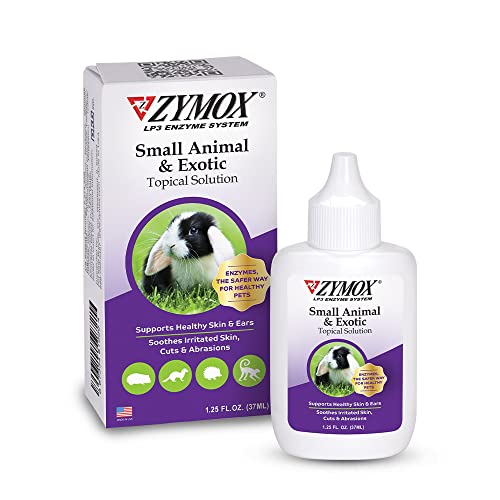
ZYMOX Small Animal & Exotic Topical Solution supports healthy skin & ears while soothing dry skin

【Clean Up Ear Mites for Fast Relief】Our ear mites treatment for dogs and cats starts working instantly to help clear infestations. Formulated to target mites directly in the ear canal, helping your pet find comfort quickly.
Recognize Early Ear Mite Signs and “Ear Canker
If your rabbit begins scratching at its ears more frequently than usual or you notice sudden head shaking, these behaviors can be early indicators of ear mite infestation. Promptly recognizing these signs is crucial, as early detection allows for faster intervention before the situation worsens. One of the earliest clues is intense inflammatory reaction caused by mite saliva and feces within the ear. Keep a close eye on your rabbit’s ear condition, especially if you observe reddish-brown to dark crusting within the ear canal or any wet-looking exudate or discharge. These symptoms signal that irritation is progressing toward “ear canker,” a severe form of otitis externa characterized by intense itchiness and pain that can significantly impact your rabbit’s well-being.
When irritation advances into ear canker, immediate veterinary consultation with an exotics or rabbit-savvy veterinarian becomes essential. Recognized for their expertise in diagnosing and treating small animal ear conditions, these specialists can provide effective treatment options to eradicate mites and manage inflammation.
If you notice signs of worsening pain, increased discharge, your rabbit acting head-shy, flinching, or ceasing to eat or defecate normally, don’t delay—schedule an urgent appointment.
Fast, targeted treatment not only alleviates pain but also prevents the development of serious complications like head tilt or secondary infections, ensuring your rabbit’s comfort and health are protected through professional intervention.

PARASITE CONTROL: Durvet liquid ivermectin helps to control a broad range of internal and external parasites in cattle, including worms, grubs, lice, flies, mites.

POUR-ON DEWORMER: Ivermectin liquid is a convenient topical solution, simple to apply directly to cattle, making deworming hassle-free.

POUR-ON DEWORMER: Ivermectin liquid is a convenient topical solution, simple to apply directly to cattle, making deworming hassle-free.
Early Itching And Head Shaking
Often, the first sign of rabbit ear mites is intense itching, known as pruritus, occurring in and around the sensitive ear canal. You may notice your rabbit scratching with its hind feet, vigorously rubbing its ears against bars or other surfaces, and displaying restlessness as it tries to alleviate the discomfort through excessive grooming of the head and ears. Thick crusts inside the ear are a classic sign, and they often worsen as the infestation progresses.
Head shaking is another prominent symptom that may initially be intermittent but can quickly become frequent as inflammation develops, leading to painful otitis externa. Watch for signs such as drooping or sideways ear holding, subtle head tilt, or flinching when touching the pinna or base of the ear—these are indications your rabbit needs prompt veterinary attention to prevent further complications.
If your rabbit refuses to eat or defecate for more than 12 hours, treat this as an emergency and seek urgent veterinary care. For questions regarding deworming protocols for rabbits, consult an experienced exotic vet. Ask specifically about the use of Panacur, a proven dewormer, which can effectively treat parasitic infestations associated with ear mites and improve your rabbit’s comfort and overall health.
Early diagnosis and targeted treatment are essential for relieving discomfort, preventing secondary infections, and restoring your rabbit’s well-being.
Crusts And Ear Canal Exudate
Brown, red-brown, or even dark crusts inside your rabbit’s ear can indicate a progression from early itching and head shaking. These crusts often appear as thick, crumbly, layered material, resembling brown discharge mixed with debris, signaling potential ear health issues.
Before the situation becomes severe, you might notice the skin peeling and forming scabs, which are signs that prompt immediate attention.
Deeper within the ear canal, you may also find creamy white exudate, further suggesting an underlying infection or parasitic infestation.
Crusting can extend onto the underside of the pinna and even toward the ear base, making it a visible and concerning symptom.
This crusting is often a strong indicator of ear mites, commonly referred to as “ear canker,” which require prompt and effective treatment.
To ensure your rabbit’s ear health is properly restored, consult a rabbit-savvy exotic veterinarian without delay.
They can diagnose the underlying cause accurately and recommend targeted treatments such as medicated ear drops, antiparasitic medications, or professional cleaning procedures.
Acting quickly with professional intervention is essential to prevent further discomfort, damage, or chronic issues related to ear mites or infections.
Ear Canker” And Otitis Risk
Spotting ear mites early in your rabbit can prevent significant discomfort and help you avoid the development of “ear canker,” which is an advanced, mite-related ear disease often requiring intensive treatment.
Recognizing the initial signs of mite infestation, such as sudden head shaking, wobbling, increased ear scratching, and hind-foot grooming of the ear base, can be critical for prompt intervention.
Early symptoms may also include redness, mild swelling in the ear canal, dark wax buildup, and a foul smell.
Additionally, watch for signs of early otitis, which involves inflammation of the ear, such as head tilt, ear-touch sensitivity, or a “head-shy” response when handling the ears.
These indicators can signal that the infestation is progressing and that immediate treatment is necessary to prevent further complications.
If otitis worsens, pain can spread throughout the ear structures, leading to symptoms like inappetence, lethargy, or torticollis (twisted neck).
To protect your rabbit’s health, it’s crucial to seek prompt veterinary care from a specialized, rabbit-savvy exotics veterinarian.
In case your rabbit exhibits severe symptoms such as refusing to eat or defecate for more than 12 hours, consider it an emergency and contact your vet immediately to prevent serious health consequences.
Treat Psoroptes With Vet-Verified Ivermectin Plans
If your rabbit exhibits symptoms such as crusty ears, intense scratching, or thickened skin, and your veterinarian suspects Psoroptes cuniculi, the causative mite of rabbit ear mange, it’s crucial to consult a highly experienced, rabbit-savvy exotics veterinarian. They’ll develop a verified ivermectin treatment plan tailored specifically to your rabbit’s condition and the precise type of mite involved.
Ivermectin is most commonly administered via subcutaneous injections or, in some cases, oral formulations, depending on the approved veterinary products. A professional veterinarian will determine the appropriate dosing schedule, which typically involves repeated treatments spaced approximately every 10 to 21 days or every two weeks.
Your veterinarian will choose whether ivermectin is given by injection or orally and set a dosing interval, often every 10–21 days.
This treatment cycle often includes 2 to 3 doses to effectively target and eliminate all developmental stages of the mite.
It is essential to follow the veterinarian’s prescribed plan meticulously, and never attempt self-dosing. Prompt intervention is critical—if your rabbit stops eating or has no bowel movements for 12 hours, treat this as an emergency and seek urgent veterinary care.
Properly managed ivermectin therapy under professional guidance ensures your rabbit’s quick recovery and long-term mite eradication.

【Compact and Smooth】: The tick remover kit is made of high-quality stainless steel with a layer of spray paint, waterproof, anti-rust and anti-corrosion, small and light

✓ SAFER THAN TWEEZERS – TRUSTED METHOD FOR COMPLETE TICK REMOVAL - Designed to remove the full tick head and body without squeezing or breaking. Helps reduce risk of infection and avoids leaving mouthparts behind. A safer tick remover tool for dogs, cats, and humans.

✔️ EASY & AFFORDABLE TICK REMOVAL - The hook tip is designed to safely and easily remove ticks from humans or pets, and can be easier to use on a thick-furred, feisty dog or cat than a pair of tweezers.
Use Selamectin Spot-On Schedules for Mites and Skin

Ivermectin may be the go-to treatment for some ear-mange cases in rabbits, but when your rabbit has mite problems involving the skin or fur, a vet might choose selamectin spot-on instead. This topical medication is applied directly to the dorsal neck to minimize grooming ingestion and maximize absorption. Follow your veterinarian’s precise schedule for effective mite and skin condition management.
For rabbit mite infestations and dermatological issues such as cheyletiellosis, veterinarians typically recommend a treatment dosage ranging from 6 to 18 mg/kg, depending on the severity and specific condition. For cheyletiellosis, treatment plans may involve administering 1 to 3 doses every 2 to 4 weeks, or a single dose of approximately 12 mg/kg to ensure complete eradication of mites. If flea infestation is also suspected, a repeat treatment around day 30 is often advised to prevent reinfestation.
Always consult a rabbit-savvy exotic veterinarian for a tailored treatment plan, as dosing and scheduling can vary based on individual health status and infestations. Be vigilant for signs of distress, such as a loss of appetite or abnormal bowel movements, and seek emergency veterinary care immediately if these occur.
Using a comprehensive, solution-focused approach with prescribed selamectin spot-on regimens ensures optimal mite control and improves your rabbit’s skin health effectively.

7-in-1 Rabbit Grooming Kit: Not only gentle and safe for small animals, such as rabbit, hamster, guinea pig, and chinchilla; but also work great for larger animals like cats and dogs. Soft silicone small animal massage comb can help you protect your pet's skin and effectively keep their fur clean, healthly.

【Premium Material】This rabbit hair brush, made of silicone, is a great choice for your beloved rabbit grooming kit. This safe rabbit hair brush is designed to provide gentle yet effective grooming, protecting your pet's delicate skin while effectively keeping their fur clean and healthy. Cleaning is also very easy; simply rinse with water and air dry to maintain hygiene and ensure your pet's grooming tools are always clean and safe.

Clean Pets, Clean House: Depets cat & dog brush for shedding can easily remove loose hair, shedding mats, dander and dirt of your pet, which not only keep your pet clean, but also provide you with a clean and hygienic home environment
Handle Tick Bites Safely and Prevent Reinfestation
Once you suspect a tick bite on your rabbit, act quickly and gently to prevent infection or reinfestation. Carefully examine your rabbit’s sensitive areas, including the head, ears, neck, armpits, groin, and tail base, and remove any attached tick within 24 hours using specialized tools like fine-tipped tweezers or a dedicated tick removal device. Grasp the tick as close to the skin as possible, then pull upward with steady, gentle pressure—avoid twisting, squeezing, or performing harmful home remedies such as applying oil, glue, vinegar, alcohol, heat, or matches, which can increase discomfort or health risks.
After removing the tick, thoroughly clean the affected skin area with mild soap and water or a veterinary-approved disinfectant such as dilute chlorhexidine or povidone-iodine, then pat dry. Monitor the site closely for signs of swelling, crusting, discharge, or a non-healing wound, which may indicate infection. Keep a detailed record of the bite location and date to assist your veterinarian with further assessment.
For optimal rabbit health management, contact a veterinary professional experienced in exotic and rabbit care immediately after tick removal. Prompt veterinary consultation ensures appropriate diagnosis and treatment to prevent secondary infections or tick-borne illnesses.
If your rabbit shows symptoms such as loss of appetite or inability to defecate within 12 hours post-removal, treat this as an urgent medical emergency. Prioritizing quick action and professional guidance helps safeguard your rabbit’s health and prevent reinfestation with ticks or related parasites.

★ HIGH QUALITY! – With improved ergonomic handle and high quality pins. These dog and cat flea comb are quality controlled during the process of manufacturing; the hardness of the bristles is tested and controlled to lower the risk of harming your pet, yet optimize the effect catch and brushing off the fleas in your dog and cat.

Helps Result in a Well-cared-for Scalp and Hair --- With specially designed fine teeth and structure, Hair Comb by SunGrow is your reliable ally to combat “unwelcome visitors”. It can detect and take away dander. Caring for your scalp is easier with this grooming tool as it helps with blood circulation, encouraging hair growth.

【Material】Our cat flea comb is made of high-quality plastic materials, and the smoothness of the tooth comb prevents skin scratches.
Identify Intestinal Worm Signs From Droppings and Weight
When you notice droppings that soften, become mucoid or mucus-y, or turn watery—especially if they contain mucus or tiny worm bits—immediate attention is crucial. These symptoms can indicate a parasitic infection, such as intestinal worms, which require prompt diagnosis and treatment to prevent further health complications.
Additionally, monitor your rabbit for signs like weight loss, poor growth, and a dull or rough coat, as these often signal intestinal worm infestation rather than a simple dietary issue.
If your rabbit stops eating or pooping for more than 12 hours, treat it as an emergency.
Contact a rabbit-savvy exotic veterinarian without delay to ensure accurate diagnosis and effective anti-parasitic treatment.
Early intervention with the right vet-recommended deworming products can restore your rabbit’s health and prevent long-term health issues.
【Ear Mite Treatment for Dogs】 Pets that have ear mites will typically shake their heads and scratch their ears frequently. This Aloe Ear Mite Treatment offers relief for pets suffering from ear mites.

Designed Especially for Rabbits. Created with the unique needs of rabbits in mind, this gentle ear and skin care solution helps make routine grooming simple, comfortable and stress-free while supporting a clean, healthy-looking appearance. Suitable for daily care at home.

KILLS EAR MITES: Kills ear mites on contact and is suitable for dogs and cats 12 weeks and older.
Droppings Changes And Softening
But don’t confuse diarrhea with normal cecotropes, which typically appear soft, sticky, dark, and resemble grapes. Recognizing the difference is crucial to maintaining your rabbit’s health.
Real diarrhea in rabbits manifests as unformed, wetter stool that may stain the fur around the rear area, indicating a potentially serious health issue.
It can progress rapidly, leading to dehydration and other complications if not addressed promptly.
If your rabbit exhibits these symptoms, urgently contact a rabbit-savvy exotics veterinarian.
Early intervention is key, so seek professional advice immediately if your rabbit hasn’t eaten or pooped for more than 12 hours.
Utilizing specialized pet health solutions and preventive care measures can help prevent complications associated with gastrointestinal disturbances in rabbits.
Weight Loss And Dull Coat
Notice weight loss and a dull, rough coat in your rabbit, as these are key early indicators of intestinal parasites such as pinworms or coccidia, even if you don’t observe dramatic diarrhea. Monitoring these changes closely can help detect health issues before they become more severe.
Adult rabbits showing slight weight decline, lethargy, and a lackluster, unthrifty coat should raise concern, as these signs often indicate intestinal parasitic infections leading to malabsorption and nutrient depletion.
Young rabbits that grow poorly, gain minimal weight, or appear “woolly” or rough may also be suffering from underlying parasitic infestations, which hinder proper digestion and growth.
Chronic worm infections or coccidia, a protozoan parasite affecting the gut, can cause significant nutrient loss, wasting, and overall poor health.
Regularly check your rabbit’s body condition daily, and be vigilant for tiny white thread-like pinworms or dirty hindquarters, which are common external signs of internal parasitic burden.
If your rabbit halts eating or pooping for more than 12 hours, treat the situation as a medical emergency.
Immediate consultation with a rabbit-savvy exotic veterinarian is essential to prevent serious health deterioration and to initiate effective parasite treatment, which can include deworming medications and supportive care to restore your rabbit’s vitality.
Early detection and professional intervention are key to maintaining a healthy, thriving rabbit.
Choose the Right Rabbit Dewormer After Fecal Testing
After you receive the results of a comprehensive fecal test, selecting the appropriate rabbit dewormer becomes a precise and effective process—because a one-size-fits-all approach is ineffective for rabbit parasite control.
After comprehensive fecal test results, choosing the right rabbit dewormer becomes precise—because one-size-fits-all parasite control doesn’t work.
A qualified veterinarian will examine your rabbit’s fecal sample under a microscope, allowing for accurate identification of the specific parasite present. This step is critical to ensure you match the right medication to the parasite, optimizing treatment outcomes.
If the fecal analysis reveals pinworms, consider asking your veterinarian about potent dewormers like pyrantel pamoate or fenbendazole, known for their effectiveness against these parasites.
In the case of roundworm eggs, fenbendazole or ivermectin may be recommended to eradicate the infection thoroughly.
For tapeworm infestations, praziquantel provides targeted treatment that effectively eliminates these common parasites.
When coccidia are detected, anticoccidial medications such as sulfonamides or toltrazuril are the preferred choice, as fenbendazole isn’t effective for this parasite.
For infections involving Encephalitozoon cuniculi, a longer course of fenbendazole is typically necessary to manage the microsporidian infection and protect your rabbit’s health.
Always remember to perform a follow-up fecal test after completing treatment to ensure the parasites have been fully eradicated and to maintain your rabbit’s overall health and well-being.

PARASITE CONTROL - Durvet liquid ivermectin helps to control a broad range of internal and external parasites in cattle, including worms, grubs, lice, flies, mites. POUR-ON...
Know When Mites or Worms Are an Emergency
You have selected the appropriate rabbit dewormer after fecal testing, but it’s crucial to recognize when “parasites” require immediate veterinary intervention rather than waiting at home. Monitoring your rabbit’s behavior and health closely is essential to identify signs of an emergency.
If your rabbit stops eating for more than 12 hours or shows a marked decrease or absence of fecal pellets, treat it as a critical situation—gut stasis can escalate quickly and become life-threatening. Persistent diarrhea accompanied by lethargy, or diarrhea that fails to improve within 12 hours, also demands urgent veterinary care.
Additionally, sudden bloating, rapid weight loss, pale gums, or rapid collapse are serious symptoms that require immediate attention.
In the case of ear mites, act swiftly if you notice head tilt, circling, seizures, or labored breathing. These symptoms signal severe mite infestations that can escalate rapidly.
Contact a vet specializing in exotic or rabbit medicine without delay to ensure prompt diagnosis and effective treatment. Prioritizing fast action with trusted veterinary professionals and proven parasitic treatments can prevent serious health complications and safeguard your rabbit’s well-being.

SAFE & COMPLETE REMOVAL - Tick removal tools are specifically designed to extract the entire tick—including the head and mouthparts—without squeezing the body, these tools help ensure proper removal technique. Unlike bare fingers or nails, these tools are designed for safe tick removal.

Complete Tick Removal Kit: You will get 1 pack of the AKOSN tick removal tool kit, including a tick puller and fine-tipped tweezers for removing ticks from pets and people

Best thick remover kit for cats and dogs: Kit includes one double-ended tweezer, one single ended hook tool and one specially shaped super-fine-tip tweezer. Tiicks removal kit that allows you to be safe and effective to remove any sizes tiicks from pets, people, and other animals.
Prevent Recurrence With Hygiene, Timing, and Herd Checks
Now that your rabbit has started treatment, it’s essential to maintain a clean and hygienic environment to prevent the recurrence of mite and worm infestations. Regularly clean all hutches, cages, and designated toilet areas daily, removing droppings and damp bedding, as these attract and sustain mites and parasite stages.
A clean, dry, and well-ventilated habitat minimizes reinfection risks and promotes overall health.
Perform a comprehensive enclosure cleaning weekly using a veterinarian-approved disinfectant safe for mites and eggs, ensuring surfaces are thoroughly disinfected and allowed to dry completely before reintroducing your rabbit. Promptly remove soiled bedding and keep animal housing dry to inhibit parasite development.
Avoid direct contact with soil outdoors by using elevated flooring or proper bedding materials, which significantly reduces environmental contamination. Reusable cloths used for cleaning should be washed at temperatures above 60°C to eliminate any residual mites or eggs and ensure optimal hygiene.
Follow your exotic veterinarian’s recommended parasite treatment schedule diligently, aligning all cleaning routines with medication protocols for maximum effectiveness.
Regularly monitor all rabbits and exposed animals—checking ears, skin, fecal matter, and grooming status—especially during late summer months when parasite activity peaks.
Implementing these integrated hygiene practices, timely treatments, and herd health checks is critical to preventing reinfection, ensuring your rabbit’s ongoing health, and reducing the need for repeat treatments.

7-in-1 Rabbit Grooming Kit: Not only gentle and safe for small animals, such as rabbit, hamster, guinea pig, and chinchilla; but also work great for larger animals like cats and dogs. Soft silicone small animal massage comb can help you protect your pet's skin and effectively keep their fur clean, healthly.

ALL-IN-ONE PET GROOMING KIT: Contains Double-Layer Needle Slicker Brush, Rubber Tip Shampoo Bath Glove Brush with adjustable ring handle, Double-Tooth Stainless Steel Comb, Pet Nail Clipper & File, Small Cleaning Comb.

Soft Rubber for Gentle Grooming: Crafted from high-quality soft rubber, this grooming brush is safe and gentle on your pet’s skin. Unlike metal brushes, it won’t cause irritation, making it perfect for sensitive pets or those who dislike traditional brushes
Frequently Asked Questions

【Package Included】: You will get 3 pcs flea lice combs double sided 3.5 x 2 inches, 3 pcs removal dandruff comb with metal teeth 3.54 x 1.57 inches, it can be used for different kinds of pets, such as dogs, cats and rabbits, etc.

【Package included】: 2 double sided teeth combs and 2 metal teeth combs in 2 different colors. The SKYPIA Pet Lice Combs are made of high quality material with narrow toothed and smooth edge to prevent scratch or damage to the skin.

EASY DETECTION AND REMOVAL: Easily glide through your pet's coat. Our double-sided flea comb has been precisely engineered to identify and remove fleas and debris from both cats and dogs, resulting in a happy, healthy companion.
Can I Use Panacur (Fenbendazole) for My Rabbit’s Worms Without a Fecal Test?
Yes, you can sometimes use Panacur (fenbendazole) for rabbit intestinal parasites without a fecal test, but it is crucial to first consult with a veterinarian experienced in rabbit exotic medicine. An exotic vet can accurately diagnose the specific type of parasite affecting your rabbit and recommend the most effective treatment plan to ensure safe and targeted deworming.
Self-medicating your rabbit with Panacur without proper diagnosis can be risky, as different parasites require different treatment protocols and dosages. Administering the wrong medication may not only be ineffective but could also cause adverse health effects.
If your rabbit stops eating, stops pooping, or exhibits lethargy within 12 hours of treatment, seek urgent veterinary attention. Prompt intervention can be vital to address potential complications and ensure your rabbit’s swift recovery. Using a veterinarian-approved deworming solution tailored to your rabbit’s needs guarantees safer, more effective parasite control.
How Do I Give Ivermectin Safely to Rabbits if My Vet Approves It?
Give ivermectin only after your experienced, rabbit-savvy veterinarian approves and carefully calculates the correct dosage based on your rabbit’s weight. It is essential to measure precisely using a calibrated syringe or dropper, ensuring you administer the exact concentration of the commercial ivermectin product recommended for rabbits. Following your vet’s prescribed schedule is crucial to ensure safety and effectiveness, so strictly adhere to the dosing timetable.
Monitor your rabbit closely for any changes in eating habits or bowel movements during treatment. If your rabbit stops eating or pooping for more than 12 hours, seek emergency veterinary care immediately. Using high-quality veterinary-approved ivermectin solution and consulting with your veterinarian will help you safely manage parasite treatment and promote your rabbit’s health and well-being.
When Should I Remove a Tick, and What’s the Safest Method for Rabbits?
Remove ticks from your rabbit as soon as you identify them to minimize health risks and ensure prompt protection. Early removal is essential for preventing the transmission of tick-borne diseases, which can be particularly dangerous for small mammals like rabbits.
Use a fine-tipped pair of tweezers or a specialized tick removal hook designed for sensitive skin. Grasp the tick as close to the rabbit’s skin surface as possible and pull straight out with steady, gentle pressure—avoid twisting or squeezing, which can cause parts of the tick to break off and remain embedded. After successfully removing the tick, thoroughly clean the bite site with an antiseptic suitable for rabbits to reduce infection risk.
For optimal safety and peace of mind, consult a rabbit-savvy exotic veterinarian immediately after removal to assess your pet’s health and receive tailored advice. Investing in professional guidance ensures your rabbit’s well-being is maintained and helps identify any potential health concerns early.
Do Rabbits Need Routine Deworming, or Only When Symptoms Appear?
You usually don’t need routine deworming for healthy pet rabbits. Instead, schedule annual fecal checks with a rabbit-savvy exotic veterinarian to ensure your bunny’s gastrointestinal health. Only consider deworming if diagnostics—such as fecal tests—or strong clinical signs, like weight loss or abnormal fecal matter, indicate a parasitic infection.
If your rabbit stops eating or pooping for 12 hours, seek emergency veterinary care immediately. Regular health assessments, combined with targeted deworming based on veterinary advice, help maintain optimal digestive health and prevent potential complications. This proactive approach ensures your rabbit remains lively, healthy, and free of parasitic burdens.
What’s the Emergency Threshold if My Rabbit Stops Eating or Pooping?
If your rabbit stops eating or poops, treat it like a red alarm. No food or no feces for 12 hours is an emergency—immediately contact a rabbit-savvy exotic veterinarian who specializes in small mammal health. Timely intervention is crucial to prevent life-threatening complications such as gastrointestinal stasis or dehydration.
Don’t wait—urgent medical attention from a qualified exotic pet veterinarian can significantly improve your rabbit’s chances of recovery. Keep a list of experienced rabbit vets in your area, and seek same-day emergency care when these symptoms occur. Acting swiftly ensures your rabbit receives the vital treatment needed to restore digestive health and prevent further health deterioration.