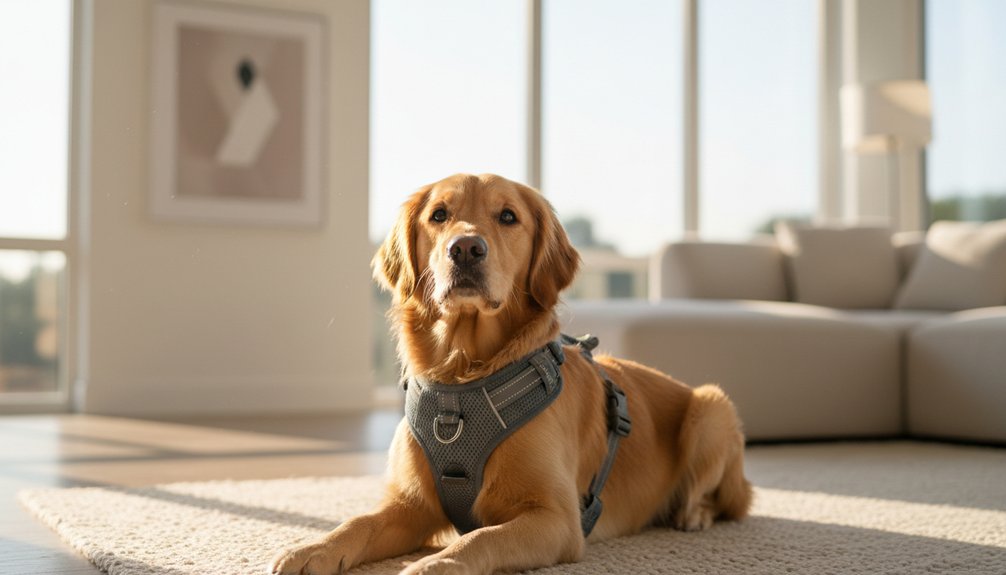
You’ll pay $50 to $800 and complete background checks, reference verification, and a home visit. You must meet eligibility rules like age, fencing, and income proof. The process takes a few weeks. You’ll learn how applications work, what the meet-and-greet involves, and how to prepare your home. You’ll also discover post-adoption care tips and foster-to-adopt options if you continue.
Swift Summary
- Complete an online application and verify eligibility with ID, references, and proof of income or landlord permission.
- Expect adoption fees ranging from $50 to $600, often covering vaccinations, spay or neuter, and microchipping services.
- Undergo a home assessment to ensure secure fencing and a safe environment suitable for a high-energy breed.
- Schedule an immediate veterinary exam to establish a health baseline, review records, and update necessary vaccinations or preventatives.
- Adhere to adoption contracts that may include trial periods, specific care obligations, and return policies for unexpected behavioral issues.
German Shepherd Rescue Adoption Process Explained
How does the German Shepherd rescue adoption process actually unfold? You begin by finding where to adopt german shepherd through a list of german shepherd rescues.
When you seek german shepherd dogs for adoption or gsd puppies for adoption, a no kill german shepherd rescue verifies your eligibility first. You undergo interviews and reference checks to make certain you can handle a special needs german shepherd or retired german shepherds for adoption.
They also screen those needing german shepherd rehoming or asking how to get rid of a german shepherd. Every german shepherd needing a home, including ex police german shepherds, requires a safe environment. Adopters are also advised that a well-fitted collar supports daily comfort and control and should display identification tags at all times.
You follow tips for adopting a german shepherd, knowing what’re the steps to adopt a german shepherd. This guarantees every sad german shepherd adoption or broken arrow german shepherd rescue ranch placement succeeds long-term.
The adoption timeline ensures dogs remain in foster care for at least 14 days minimum.
How To Apply For German Shepherd Adoption
Where do you begin when applying to adopt a German Shepherd? You start by locating online forms on rescue sites like gsrescue1.org or downloading PDFs sent via email.
Many rescues require an acknowledgement page before you access the full application, which you submit through web forms or after paying fees via PayPal. Expect confirmation within 24 to 72 hours; some keep your file active for 90 days.
Confirm you meet eligibility criteria, including minimum age requirements and fencing standards—typically 1,000 square feet with a five-foot fence. If you rent, secure written landlord permission.
Be ready to provide veterinary references and personal contacts to verify your history. Rescues prioritize homes where you can demonstrate responsible ownership and a safe environment tailored to these active dogs’ needs. Rescues also look for adopters who plan for daily exercise, so having a well-fitted everyday walking leash ready for regular outings shows you are prepared.
Contact the rescue directly if you do not receive a confirmation email within 72 hours.
How Long Does German Shepherd Adoption Take?
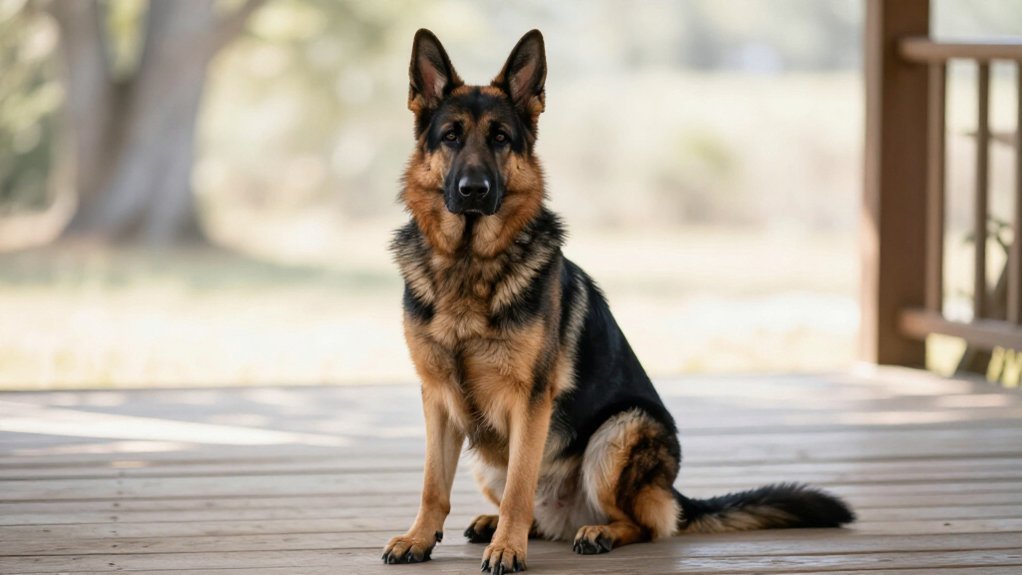
While German Shepherd adoption timelines vary widely, most applicants should expect the process to take anywhere from a few days to several months. You might find same-day placements at open-admission shelters where screenings move quickly. However, breed-specific rescues often require deeper evaluation.
Expect typical timelines spanning two to eight weeks from your initial contact to finalization. You should anticipate that thorough background checks, vet reference verification, and home visits will extend this duration. High demand for specific dogs can slow matching significantly.
Some German Shepherds must stay in foster care at least fourteen days before eligibility. If you request a particular dog with specific needs, expect processing up to four weeks. Busy periods or limited availability might stretch your wait to six or eight weeks. Once you are cleared, plan ahead by choosing a heavy-duty dog leash suited to a strong, powerful German Shepherd.
The process often spans from a few days to several months depending on the organization type and specific circumstances.
Patience ensures you serve the dog’s welfare and find the best possible fit for your home.
Eligibility Requirements For Adopting A German Shepherd
Before you apply, you must meet minimum age and identification rules set by each rescue. Just as buyers evaluate a German Shepherd puppy’s health and background, rescues typically review a dog’s medical history and temperament before placement.
You’ll also need to show you have stable housing that fits the breed’s needs. These requirements ensure your new dog will thrive in a safe environment. Some rescues may also require you to provide proof of income to confirm you can afford the costs of care.
Minimum Age And Identification
Because you must be of legal contracting age to sign an adoption agreement, most shelters and rescues require you to be at least 18 years old, with many setting the bar at 21 to guarantee financial and housing stability. Some breed-specific groups even ask for adopters aged 23 or older.
You can’t adopt if you’re a minor since contracts won’t hold.
To prove who you are, bring a valid government photo ID like a driver’s license, passport, or state ID. Make sure your documents aren’t expired or you face delays.
Also, provide proof of address such as a recent utility bill or lease. If you rent, you’ll need landlord permission allowing dogs.
Your name must match across all papers submitted for approval.
The application procedure requires applicants to be at least 18 to ensure they can legally enter into binding adoption contracts.
Secure Housing And Space Requirements
Secure housing and space requirements form the next major eligibility step after confirming your age and identity. You need a safe, fenced area attached to your home, not just a kennel. Most rescues demand a fence at least five feet high, though six feet better prevents agile German Shepherds from jumping. Make sure gates are lockable to keep your dog safe and prevent escapes.
Your yard should offer about 1,000 square feet for exercise, featuring shade, shelter, and fresh water. Clear out poisonous plants and avoid placing structures near fences that aid climbing.
If you rent, verify your landlord permits large breeds and get written approval. Apartments are often discouraged unless you prove substantial daily exercise plans.
A home visit will confirm these safety standards before adoption.
What To Expect During The Screening Process?

When you apply to adopt a German Shepherd, expect the rescue to conduct a thorough screening process designed to guarantee a safe and lasting match. You’ll submit a detailed application covering your home, prior pet care, and lifestyle.
The team checks eligibility rules like age minimums and rental permissions. They contact your veterinarian to confirm past animal care standards and verify responsibility.
Personal references help them assess your stability and commitment to serving a dog’s needs. You’ll discuss daily routines, training plans, and energy management in an interview.
A home visit—virtual or physical—lets them inspect your living space for safety. They evaluate fencing, gates, and how your household fits a high-drive breed. Interviewers also look for applicants who plan to maintain close control during everyday walks, especially in busy areas.
This careful review ensures you’re truly ready to serve a German Shepherd well.
German Shepherd Adoption Fees And Costs Breakdown
When you adopt a German Shepherd, you can expect adoption fees ranging from $50 to $600.
With puppies and breed-specific rescues, the costs are often higher.
These fees typically cover essential medical services like vaccinations, spay or neuter surgery, and microchipping.
Understanding this breakdown helps you budget for the initial costs of bringing your new companion home.
Beyond these one-time fees, you should also plan for ongoing expenses such as food, routine veterinary care, grooming, and training, which can add up to a significant yearly cost.
Adoption Fee Range
As you explore German Shepherd adoption, expect fees ranging from $50 to $1,000 depending on the organization. Municipal shelters often charge $50–$500, while breed-specific rescues typically ask $200–$800.
You’ll see higher fees for puppies, usually $400–$550, and standard adults often fall between $350–$450. Senior dogs frequently cost less, around $200–$250, with some programs offering even deeper discounts like $150 for senior adopters taking seniors.
Many rescues frame these fees as recovering boarding, food, and transport costs. Some even require small administrative surcharges or out-of-state fees around $25.
These fees represent just a small part of your overall ownership budget, which spans thousands over the dog’s life. Understanding these ranges helps you prepare financially while serving these dogs.
Included Medical Services
Once you adopt a German Shepherd, you’ll receive core veterinary services bundled into your fee, including an intake exam, vaccinations, spay or neuter surgery, microchipping, and parasite control.
You won’t pay for initial checkups or major surgeries since rescues handle these essentials beforehand. Your adopted dog arrives with updated core vaccines like DHPP and rabies, saving you hundreds.
The organization documents every treatment, giving you clear records for future care. You might even get short-term access to their clinic if issues arise soon after bringing your companion home.
This all-encompassing care ensures you start your journey together with a healthy, protected dog. You focus on love and training, knowing their medical needs are already met.
Your fee directly supports these crucial services, helping rescues save more lives efficiently.
Preparing Your Home For A Rescue German Shepherd

Before you bring your rescue German Shepherd home, make safety your top priority by locking away hazardous items like medications and cleaning products, securing electrical cords, and removing breakable decor that could cause injury or choking.
Create a quiet retreat where your new family member can decompress during those first few days. Place their bed, food, and water in the same spot to build predictability. Limit visitors and noise to help them settle.
Gather essential supplies: a sturdy harness, ID tags, proper food, and mental stimulation toys. Agree on house rules with everyone in the home. Consider a protective car cover to keep your seats clean from dog hair, dirt, and mess on the trip home.
Secure your yard thoroughly to prevent escapes. Prepare for a slow introduction if you have other pets, ensuring everyone stays safe and calm while you begin this journey of service together.
Understanding Adoption Contracts And Legal Terms
Before you sign, you’ll need to understand the contract’s key legal provisions that define your obligations as an adopter.
Most rescues also include home visit inspection terms to make sure your living space meets their standards. Many rescues also ask how you plan to exercise and train your dog, and a long dog leash is a practical tool for recall practice that gives your dog more freedom while keeping it safe.
Finally, read the post-adoption return policies carefully so you know the exact steps if you can no longer keep the dog.
Contract Key Legal Provisions
When you adopt a German Shepherd, the contract acts as a legally binding agreement that transfers ownership from the rescue to you under specific conditions. It clearly defines parties, the dog’s background, and your care obligations.
You must provide adequate food, water, shelter, and a safe environment.
The contract often includes health guarantees for pre-existing conditions discovered shortly after adoption, but it typically states the dog is adopted “as is” regarding future health or behavior.
Significantly, liability provisions release the rescue from responsibility for any damage, injury, or illness the dog causes after adoption. You agree to indemnify them against related claims.
This document guarantees you understand your duties to serve the animal well, protecting both the rescue’s mission and the dog’s future welfare through clear, enforceable standards.
Post Adoption Return Policies
Beyond outlining your daily care duties and liability, your adoption contract also dictates the specific rules for returning a German Shepherd to the rescue.
You usually have a short trial period, like 14 days, for a partial or full fee refund. After that, the fee typically becomes a non-refundable donation. Some contracts require written explanations or specific drop-off locations for returns.
You must surrender the dog directly to the rescue, never rehome or sell them independently. Most agreements demand advance notice, such as 14 days, before surrender.
You retain custody and cover all transportation costs until transfer. Breach-of-contract fees may apply for behavioral returns without prior trainer documentation.
These clauses guarantee the rescue maintains control over every adopted animal’s placement.
Home Visit Inspection Terms
While most adoption processes include reference and vet checks, the home visit inspection serves as the final screening step where coordinators evaluate whether your environment meets the rescue’s safety and suitability standards.
You must verify your yard has a secure, five-foot fence with ample space for safe turnout. Indirectly, show you have crates or gates to keep your dog safe.
All household members and pets should be present during the visit to demonstrate healthy family dynamics. You’ll need written permission if you rent.
Expect volunteers to observe cleanliness and check for hazards like toxic plants or unsecured pools. They may bring a sociable dog to test compatibility.
Your commitment to humane care, ongoing vet visits, and proper adjustment time will be documented in a formal report that directly influences the final approval decision.
Matching Your Lifestyle With A Rescue German Shepherd
Because German Shepherds are high-energy working dogs, you must match your daily activity level to their need for 1.5 to 2 hours of vigorous exercise and mental enrichment.
You’ll want to commit to structured walks, play, or sports that channel their stamina. Without consistent outdoor access like a fenced yard, frustration and destructive behavior often arise.
Your home needs safe off-leash running areas or nearby parks for daily outlets. Since they’re highly intelligent, you should invest time in obedience, agility, or scent work to prevent boredom.
A confident, consistent handler aligns best with their drive. If you have children or other pets, guarantee slow, supervised introductions. Homes with cats or small animals also need careful management, since a German Shepherd with strong prey drive may chase smaller animals without proper training.
Your household structure should support clear rules and ongoing training. Busy, chaotic environments rarely suit this breed.
Choose a lifestyle ready to serve their active, working needs daily.
Dog Health Checklists And Vaccination Records

As you bring your German Shepherd home, start by scheduling an immediate veterinary exam to establish a baseline health status and review their vaccination history. Collect all patient records, including shelter certificates and past treatments.
Your vet will perform a full physical exam, checking essential signs and testing for parasites like roundworms. Inspect their skin, coat, and mobility while evaluating oral health. Undiagnosed pain can be one of the triggers of aggression in German Shepherds, so report any sensitivity to touch during the exam.
Make sure they receive necessary parasite preventatives against fleas and heartworms. Review core vaccination schedules for distemper and rabies, updating records as needed.
If their history is unknown, start a booster series immediately. Document every screening and treatment in their medical file for future reference.
Maintaining these health checks ensures your rescue remains happy and safe for others to enjoy alongside you.
Training Needs And Common Behavioral Challenges
Once your German Shepherd is settled and healthy, their training needs become the next priority for a well-adjusted companion. You should provide 1.5–2 hours of daily physical exercise and mental work like scent games to prevent destructive behaviors.
Keep training sessions short, around 5–15 minutes, but frequent to maintain their attention.
Socialize them aggressively between 8–14 weeks with varied people and environments to build confidence and reduce suspicion.
Use consistent, positive reinforcement for core obedience skills like sit, recall, and loose-lead walking.
Since these dogs often jump, bark excessively, or develop separation anxiety, establish clear boundaries early.
Regularly practice impulse control and expose them to different surfaces to increase resilience.
What To Expect During The Meet-And-Greet?

Before you meet your potential German Shepherd companion, the rescue will schedule a supervised session after reviewing your application and screening your lifestyle.
You’ll observe calm interactions first, letting staff guide your approach as the dog comes out on leash. They’ll watch how you read body language and respond to signals, evaluating whether you can meet high needs.
Short walks often follow, revealing your handling skills and the dog’s reactivity in a neutral space. Volunteers monitor closely, ensuring positive contact while answering breed-specific questions about confidence and resilience.
Don’t expect immediate placement; they use this time for thorough evaluation before reference checks or home visits. This careful process ensures you’re ready to serve as the supportive, prepared guardian this breed needs for a lasting bond.
Post-Adoption Care Tips For German Shepherds
While your new German Shepherd settles in, keep the home calm and limit social visits for the first two weeks to reduce stress. Use an escape-proof harness and leash during early potty outings. Allow supervised exploration so they learn your home’s layout safely.
Introduce a crate for rest and potty training. Rebuild alone-time tolerance gradually to prevent separation anxiety.
Schedule a vet visit soon after adoption to review vaccines and discuss breed-specific health risks like hip dysplasia. Establish year-round parasite control and dental hygiene.
Provide 90–120 minutes of daily exercise split into sessions. Add 20–30 minutes of structured mental enrichment. Maintain a consistent daily schedule for feeding and walks.
Avoid intense exercise before and after meals to reduce bloat risk. Set clear boundaries and begin basic obedience training early.
Foster-To-Adopt Options And Rehoming Policies
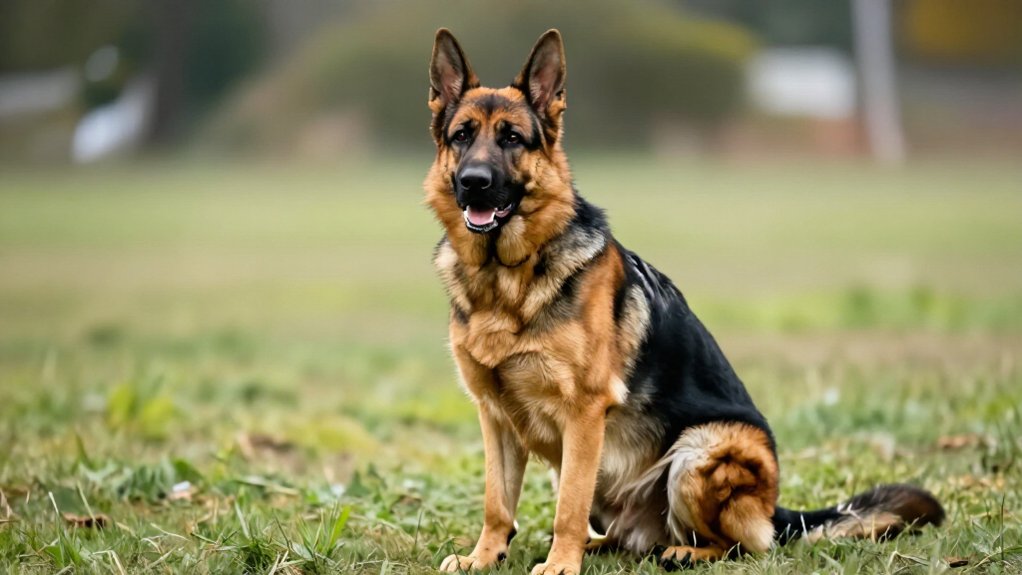
To get started, you’ll fill out a combined foster-and-adoption form and wait for your screening to clear before meeting any Shepherds.
If you decide not to keep the dog, you’ll return him to the rescue under their standard rehoming rules, which require updated vet records and no aggressive history.
These steps help both you and the organization guarantee every dog finds a stable, permanent home.
Foster To Adopt Steps
If you’re considering bringing a German Shepherd into your home, foster-to-adopt offers a practical trial period that lets you assess compatibility before finalizing adoption.
You’ll submit an application detailing your home environment and prior experience. Many rescues require you to be at least twenty-one and secure landlord approval.
After a phone interview, you’ll provide references and welcome a home visit to evaluate safety.
You’ll meet the dog to ensure compatibility with your household.
You’ll care for the dog during a set trial, often three months, while rescues monitor adjustments.
You’ll follow specific care expectations and report updates.
If the placement succeeds, you’ll complete paperwork to finalize adoption.
This structure protects both you and the dog, guaranteeing a loving, permanent home.
Return And Rehoming Rules
When you commit to a German Shepherd, your adoption contract legally binds you to return the dog to the rescue if you can no longer care for it. You must contact them before attempting any rehoming. Selling, gifting, or abandoning your dog violates your agreement.
During foster-to-adopt, ownership remains with the rescue until final approval. If the dog doesn’t fit, return them within the trial period, often two weeks, for a refund. Later returns are accepted but typically non-refundable.
You should provide current records and preventatives before surrender. Unauthorized placement triggers legal recourse for the organization.
These policies guarantee every Shepherd receives proper care. By respecting these rules, you honor your commitment to the rescue’s mission and serve the breed responsibly.
Real-Life Success Stories From German Shepherd Adopters
While you may worry about what happens when you bring home a rescue dog, real-life success stories show that German Shepherds can transform dramatically with the right care. You’ll see Max, once emaciated, recover fully through intensive medical support and foster love.
Thumper heals from severe skin issues with dietary changes, gaining health and comfort.
Greta, rescued from hoarding, blossoms via structured socialization, finding confidence and a loving home.
You’ll notice Stevie Nicks, post-surgery, regrowing fur and healing completely with targeted therapy.
Reactive Zeus and insecure Luna learn calm behaviors and trust through dedicated training, becoming joyful companions.
You’ll learn that Good Shepherd Rescue placed over 2,250 dogs, proving these transformations are common.
Many adopted Shepherds even become service dogs or competitive obedience champions, showing how serving them transforms lives.
Your compassion drives these success stories.
Frequently Asked Questions
Can International Applicants Adopt From German Shepherd Rescues?
Yes, you can adopt. Many rescues serve international applicants with specific requirements. You’ll need to meet them in person, pass screenings, pay fees, and navigate legal transport rules. Research organizations that support cross-border placements to find your match.
Are Rescue Fees Negotiable Based on Financial Hardship?
While you’d think fees bend, most rescues don’t negotiate; it proves you can afford a Shepherd. But if you’re truly struggling, ask—some offer exceptions or sliding scales to help you serve these loyal dogs well.
What Happens if a Rescue Dog Fails a Behavior Test?
When a rescue dog fails a behavior test, you’ll likely face restricted adoption options. Many shelters euthanize aggressive dogs, while others retest or transfer to specialized rescues. You might consider supporting behavioral rehabilitation programs to save these vulnerable animals.
Do Rescues Cover Pre-Existing Medical Conditions Post-Adoption?
Rescues don’t cover pre-existing medical conditions post-adoption. Think of adoption like handing over the keys; you drive from there. You shoulder future costs for chronic issues, ensuring the dog gets steady care while you focus on serving its needs.
Can Adopters Request Specific Health Screenings Before Adoption?
You can request specific health screenings before adoption, though policies vary. Many rescues allow this, but you may cover costs for extra tests beyond standard intake protocols and guarantee they align with organizational resources.