You can catch deafness early by watching daily habits. If your rabbit doesn’t perk at treat rustling, you see ears stay fixed, or they startle less, note it. Watch for head shaking, ear scratching, brown crusts, discharge, or heavy wax, since infection or mites can block hearing.
Test with the Preyer reflex: repeat 2–3 quiet checks, looking for a quick ear twitch. If appetite or poop stops within 12 hours, treat it as an emergency vet case. Use calm, touch-and-visual cues at home, and you’ll pick up more help fast.
Swift Summary
- Watch for ear-related behavior changes: less ear scanning, fixed ears, and failing to respond to treat rustling or normal household sounds.
- Look for red flags like head shaking, ear scratching, brown crusts, discharge, bad odor, or sudden startle changes.
- Confirm suspected hearing loss using repeated Preyer reflex tests (2–3 times) in a quiet area; absent responses may indicate deafness.
- Consider causes including congenital inner-ear issues, infections/otitis, mites, wax/debris blockage, or trauma—lop-eared rabbits have higher ear-risk.
- Seek a rabbit-savvy exotic vet promptly; BAER testing can objectively assess each ear and guide timely treatment and communication adaptations.
Deaf Rabbit Signs and What to Watch For Daily

Even if your rabbit appears “fine,” early detection of deafness is possible by observing subtle daily behavioral changes through a comprehensive checklist. Regular monitoring helps identify signs such as a lack of response to rustling treats, shaken bowls, or sudden door slams, which are typically cues for hearing. lop-eared rabbits are reported to be about 25% prone to ear conditions versus about 10% in erect-eared rabbits, making daily checks especially important.
Even if your rabbit seems fine, subtle daily behavior changes can reveal early deafness—watch for no response to treats, bowls, or door slams.
Pay close attention if your rabbit’s ears remain fixed and they stop scanning their environment, as these behaviors could indicate auditory issues.
Furthermore, watch for signs of increased startle reactions, fear, or nipping when approaching, which may signal discomfort or hearing loss.
Be vigilant for physical symptoms such as ear scratches, head shaking, odors, discharge, or crusty buildup around the ears, as these indicators often point to ear infections or other conditions impacting hearing.
To support your deaf rabbit’s well-being, prioritize a calm and slow approach, utilizing front and touch cues to communicate effectively.
Scheduling an appointment with a rabbit-savvy exotic veterinarian is essential for proper diagnosis and tailored care.
If you notice your rabbit stops eating or pooping for more than 12 hours, seek urgent veterinary intervention to address potential health emergencies and prevent further complications.
Our specialized products and expert guidance are designed to help you care for your deaf or hearing-impaired rabbit with confidence and compassion.
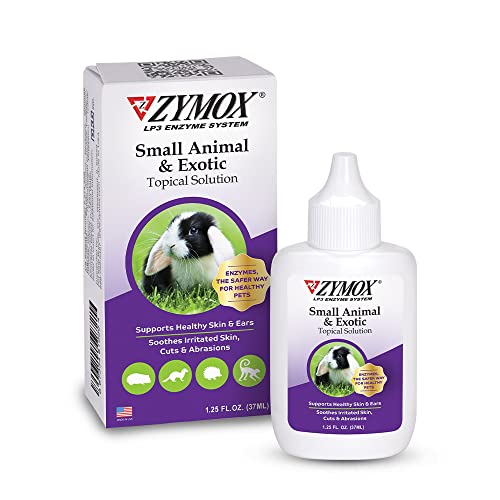
ZYMOX Small Animal & Exotic Topical Solution supports healthy skin & ears while soothing dry skin

【Clean Up Ear Mites for Fast Relief】Our ear mites treatment for dogs and cats starts working instantly to help clear infestations. Formulated to target mites directly in the ear canal, helping your pet find comfort quickly.

KILLS EAR MITES: Kills ear mites on contact and is suitable for dogs and cats 12 weeks and older.
Confirm Hearing Loss With Preyer Reflex and Behavior
To confirm if your rabbit has hearing impairment, observe their response to auditory stimuli using the Preyer reflex, which involves a quick ear twitch or ear turn toward a sudden sound. Pay attention to whether this reflex occurs consistently; if it never happens, it could indicate deafness. Conduct the test multiple times—ideally 2 to 3 repetitions—in a quiet environment to ensure accurate assessment. Use a brief, unseen sound such as a clap or finger snap to evaluate their auditory sensitivity. Additionally, in cases where deafness is caused by an untreated infection, you may notice the Preyer reflex never appears even after repeated sound tests. Compare your rabbit’s behavior across these tests: do they ignore the sound, sleep deeply and remain difficult to wake, or only startle when touched? Additionally, look for behavioral adaptations that suggest they’re relying on other senses, such as heightened sensitivity to floor vibrations, or increased attention to visible cues like your face and footsteps. Recognizing these signs helps in diagnosing hearing loss and allows you to implement supportive measures, ensuring your rabbit’s safety and well-being with tailored environmental adjustments and sensory enrichment strategies.

Cat and dog ear cleaner, soothes recurrent ear issues, itching and redness, for pets of all ages

Triple-Action Ear Treatment: Vetericyn’s ear solution for dogs and cats is a revolutionary topical treatment that relieves irritations caused by otitis externa and other serious issues.

REAL HEALING, REAL FAST: Patented nano-technology doesn’t mask pain, it breaks past wax and bacteria to treat infections directly
Observe Preyer Reflex Absence
So, if you suspect your rabbit might be deaf, start by checking the Preyer reflex, which is that quick ear “turn” response when a sudden, loud sound occurs. Observe your rabbit from a quiet, calm environment and wait for consistent ear orientation toward unexpected claps, snaps, or tapping noises. This reflex provides an initial, non-invasive way to assess your rabbit’s auditory response and can be performed at home before consulting a veterinarian. Rabbits have excellent directional hearing, which is why the ear-turn should reliably point toward the sound source. Next, compare this reflex to your rabbit’s overall behavior. A rabbit that never angles its ears toward sounds—yet still uses its ears for warmth and social communication—may be experiencing significant hearing loss. However, keep in mind that factors like stress, ambient vibration, or a comparative weakness in one ear can influence reflex accuracy. For a definitive assessment, it’s essential to consult a knowledgeable exotic or small-animal veterinarian who specializes in rabbit health. If your rabbit shows signs of hearing impairment alongside other health concerns, such as a lack of response to environmental stimuli or difficulty engaging with family members, prioritize scheduling a thorough veterinary examination. Remember, if your rabbit ceases eating or pooping for more than 12 hours, this situation becomes an urgent medical emergency, and immediate veterinary care is critical. Addressing potential hearing issues early with professional guidance ensures your rabbit’s well-being and helps maintain a stimulating, safe environment for your beloved pet.
Watch For Sound Response Changes
Once you’ve checked the Preyer reflex, you can confidently confirm or rule out hearing loss in your rabbit by observing how it responds to everyday sounds and monitoring those reactions over time. Pay close attention to sounds such as treat rustling, food container clinks, and the sound of your footsteps. If your rabbit no longer perks its ears or fails to turn toward your voice at normal conversation volume, this is a significant warning sign indicating potential auditory issues.
Next, compare the reactions to sharp, sudden sounds like clapping against your rabbit’s baseline responsiveness. Deaf or hearing-impaired rabbits often display weaker or absent startle responses, reduced freeze behavior, and may miss auditory cues like barking or shouting. Watch for partial reactions too, such as only reacting to very loud noises. Also, be vigilant for signs of discomfort or ear problems, which can be associated with hearing impairment.
In cases where your rabbit stops eating or pooping for more than 12 hours, treat this as an immediate emergency. Addressing potential hearing and health issues promptly with a rabbit-savvy exotic veterinarian ensures your pet’s well-being. Utilizing these sound response monitoring strategies helps maintain your rabbit’s auditory health and overall quality of life through early detection and professional intervention.
Note Vibration And Visual Reliance
If your rabbit exhibits decreased awareness of normal sounds, it’s essential to recognize that they may be relying more heavily on vibration and visual cues instead. Pay close attention to the floor “notices” or impressions you leave when entering their enclosure; these subtle signs can indicate how they orient themselves to environmental stimuli, especially footstep vibrations that signal your presence or other nearby activity.
Additionally, their whiskers and body contact are sensitive to vibrations and can serve as critical indicators of their sensory awareness.
Next, examine your rabbit’s eyes with calm, steady observation. Deaf rabbits often exhibit continuous tracking of motion, characterized by wide, alert eyes and a stable, upright posture.
Their eyes may dart or remain fixated on moving objects, which reflects heightened reliance on sight.
In contrast, fearful rabbits tend to display different visual cues: their eyes are wide open, but they adopt a hunched, defensive stance that indicates distress.
To accurately assess hearing capabilities, perform the Preyer reflex test. Gently produce a sound near your rabbit’s ears and observe whether their ears move toward the source.
If there’s no ear movement, this may suggest deafness due to disease or sensory impairment, which requires prompt veterinary attention.
Furthermore, monitor your rabbit’s eating and elimination habits. A sudden halt in eating or pooping lasting more than 12 hours should be treated as an urgent situation, warranting immediate intervention to prevent underlying health complications.
Ensuring your rabbit’s sensory health through attentive observation and timely diagnostics can significantly improve their well-being and quality of life.
Common Causes of Deafness in Rabbits, by Category
When you’re diagnosing why your rabbit appears to have hearing issues, start by categorizing potential causes, as this approach helps determine the urgency of the situation. Some rabbits are born with deafness due to congenital ear development issues, which may require specialized veterinary intervention.
Other rabbits develop hearing loss as a result of infections such as otitis media or interna, mites clogging the ear canal, or trauma that damages the delicate structures of the ear.
Prompt action is crucial, especially if your rabbit stops eating or pooping for more than 12 hours; consider this an emergency and contact a rabbit-savvy exotic veterinarian immediately.
Early diagnosis and targeted treatment, including antimicrobial medications for infections, mite control solutions, or surgical options for trauma-related injuries, can significantly improve the chances of restoring or managing your rabbit’s hearing health.
Investing in professional veterinary care now can prevent further complications and ensure your rabbit’s overall well-being and quality of life.

GENTLE CLEANING & EXCELLENT DESIGN: The soft and convenient finger wiping design fits your fingers, is not easy to slip off, and fits the structure of cats and dogs' ears better. The wet wipes are made of high-quality non-woven fabric and are designed with exquisite pearl patterns on both sides, which increases friction, provides deep cleaning and is more comfortable. It is quick and convenient to use and can safely and effectively remove wax accumulation and other debris from the sensitive ears

POWERFUL YET GENTLE: Keeps ears clean, healthy and smelling fresh with a nonirritating, neutral-pH formula

1. GENTLE EAR CLEANER FOR DOGS & CATS — This ear cleaner creates a light, airy foam that spreads evenly across the outer ear, so you can clean delicate ear folds without the mess of thin, runny liquids. A stress-free, no-drip format that keeps both you and your pet calm during routine care.
Congenital Ear Development Issues
Congenital ear development issues are among the most common causes of “deaf from the start” in pet rabbits. This condition indicates that the hearing impairment originates during fetal development, not from subsequent infections or injuries. Recognizing these issues early is essential for providing the appropriate care and improving your rabbit’s quality of life.
If your white rabbit has striking blue eyes, inquire about the presence of the Vienna gene, a genetic trait linked to the KIT gene. This pigmentation gene can interfere with inner ear tissue formation, leading to a spectrum of hearing impairments from partial loss to complete bilateral deafness. Since no corrective treatment currently exists for this genetic condition, early diagnosis can help you tailor your pet’s environment and communication strategies for better well-being.
Be vigilant for inner-ear malformations, such as abnormalities in the cochlea or auditory nerve pathways. These developmental issues can cause permanent sensorineural deafness, even when the external ears appear normal.
Additionally, lop-eared rabbit breeds may be predisposed to congenital ear canal narrowing, which reduces sound transmission to the eardrum. Addressing these structural concerns through early veterinary assessment can help you manage and mitigate potential hearing deficits effectively.
Proactively consulting with an avian or exotic veterinarian who specializes in rabbit health can guide you toward the most effective solutions, including environmental modifications and communication techniques that accommodate your rabbit’s unique needs.
Ensuring early detection and intervention supports your pet’s auditory health and enhances their overall quality of life.
Infection, Mites, Or Trauma
Infections, mites, and injuries are common causes of “later-on” deafness in rabbits, and early detection is key to effective treatment.
First, monitor your rabbit for signs of ear problems, including persistent head shaking, frequent scratching at the ears, swelling, or the presence of brown crusts at the base of the ears. Additionally, excessive wax buildup can obstruct hearing, so keep a close eye on ear health as part of your routine animal care.
Suspect mite infestation, particularly Psoroptes mites, if you notice thick crusts, intense itching, or discomfort around the ears. Mite infestations can lead to otitis externa and, if untreated, may spread inward causing otitis media or interna, which can result in head tilt or rolling behavior. Identifying and treating mite infestations promptly through targeted antiparasitic solutions can prevent these serious complications.
Trauma from rough handling or accidents can also cause hearing loss in rabbits. If your rabbit shows signs such as not eating or not pooping for more than 12 hours, treat the situation as an emergency. Immediate consultation with a rabbit-savvy exotic veterinarian is crucial for proper diagnosis and treatment. Taking swift action with professional veterinary care ensures the best chance of preserving your rabbit’s hearing and overall health.
When to Treat Urgently for Sudden Hearing Loss

If your rabbit suddenly appears deaf, don’t delay—seek immediate veterinary intervention. Sudden hearing loss in rabbits, especially if they previously had normal hearing, signifies an urgent medical concern.
Fluid buildup or infections within the middle or inner ear can obstruct sound transmission, while deafness may also result from toxic exposure or neurological conditions that require prompt diagnosis and treatment.
Act immediately if you observe additional symptoms such as head tilt, loss of balance, circling, rolling, or rapid involuntary eye movements (nystagmus). These neurological signs indicate a potentially serious otologic or neurological disorder that demands urgent care.
Also, seek emergency veterinary attention if your rabbit shows signs of intense ear pain, like vigorous shaking or scratching at the affected ear, or if they cease eating altogether. A loss of appetite combined with refusal to eat or poop for more than 12 hours warrants prompt veterinary assessment.
For optimal outcome, always consult a knowledgeable, rabbit-savvy exotic veterinarian who specializes in small mammals. Early diagnosis and targeted treatment can help restore normal hearing function or prevent further neurological complications, ensuring your rabbit’s health and well-being are safeguarded.
【Ear Mite Treatment for Dogs】 Pets that have ear mites will typically shake their heads and scratch their ears frequently. This Aloe Ear Mite Treatment offers relief for pets suffering from ear mites.
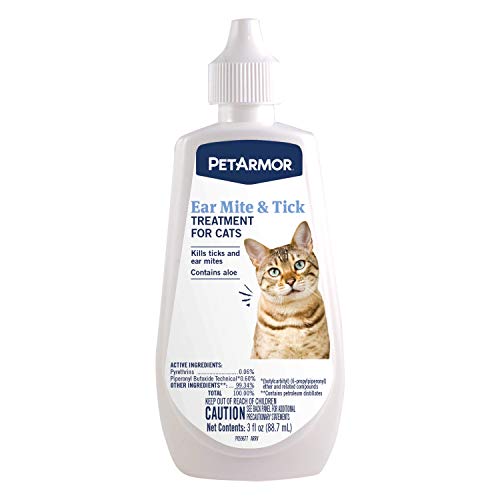
Kills Ear Mites & Ticks: Pyrethrins and piperonyl butoxide go to work on ear mites and ticks, so your cat can get back to feeling like themselves

Pet Ear Mite Treatment Effectively kills ear mites and ear ticks, plus aids in the removal of ear wax
How Lop Ear Anatomy Increases Deaf Rabbit Risk
Because lop-eared rabbits have ears that fold and droop, their ear canals can align in a way that impairs hearing over time. The floppy pinna droops over the acoustic opening, causing kinks in the canal that narrow the passageway through which sound travels. This reduced lumen, combined with trapped wax and debris, muffles sound before it reaches the eardrum, leading to potential hearing difficulties.
Furthermore, the unique structure of lop-eared rabbits increases their risk of ear infections such as otitis externa and otitis media. The buildup of wax and moisture creates an ideal environment for bacteria and yeast growth, which can cause ongoing infections that compromise hearing. Repeated infections may lead to partial hearing loss or complete deafness if left untreated.
Protect your lop-eared rabbit’s hearing health by performing regular ear inspections using a gentle approach. Promptly consult a rabbit-savvy exotic veterinarian at the first sign of wax buildup, redness, or discomfort. Early intervention and consistent ear care can prevent infections, preserve hearing, and enhance your rabbit’s overall well-being. Consider investing in high-quality ear cleaning products and professional veterinary guidance to maintain optimal ear health for your lop-eared rabbit.

Ear & Skin Care: Specially formulated for rabbits, guinea pigs, hamsters, ferrets, and all exotics. This solution quickly and effectively relieves ear and skin infections, soothes itching and significantly speeds up wound healing

Our formula contains various beneficial ingredients for dog & cat Ear Infection Treatment, Ear Mites Treatment, Dog Yeast Soothing Cleansing, Clean Pet Earwax, Itchy Ear Relief such as Peppermint Extract, Turmeric Extract, White Willow Bark Extract, Purple Gromwell Extract.

PET EAR CLEANING SOLUTION: Clean your pet's ears a few times daily with Vetericyn Plus Antimicrobial Ear Rinse to buildup that causes bad odor and potential ear infections in dogs and cats.
Veterinary Testing Options: BAER vs Exams

When you suspect your rabbit is deaf, you’ll want clear, reliable answers instead of mere guesses. Start by consulting a specialized, rabbit-savvy exotic veterinarian who can perform thorough examinations and provide definitive insights.
Standard otoscopic exams involve inspecting the ear canal with an otoscope, checking the integrity of the eardrum, and observing the Preyer reflex, which tests pinna orientation toward sound stimuli. If the Preyer reflex is absent or diminished, it suggests possible hearing impairment.
However, conventional ear exams have limitations—they can’t objectively quantify the degree of hearing loss, and they may overlook unilateral deafness, where only one ear is affected.
For precise and conclusive diagnosis, consider BAER (Brainstem Auditory Evoked Response) testing, which records brain responses to auditory clicks. This advanced diagnostic tool produces clear, measurable responses that identify whether each ear perceives sound, with flat lines indicating deafness in the corresponding ear.
Timely diagnosis is critical, especially if your rabbit shows signs of distress such as loss of appetite or bowel movement for more than 12 hours. In such cases, immediate veterinary intervention should be prioritized to ensure your rabbit’s health and well-being.

DEEP-CLEANING EAR CARE: Pre-moistened wipes gently lift away dirt, wax, debris, and odor from your dog or cat's ears for clean, fresh, comfortable ears

Break-To-Release Wet & Dry Dual-Use Design Simply snap the marked ring to let cleansing liquid flow down and saturate the cotton tip. Use wet end to soften ear debris, then the dry end for finishing wipe. One swab for single use to avoid cross-contamination.

GENTLE CLEANING & EXCELLENT DESIGN: The soft and convenient finger wiping design fits your fingers, is not easy to slip off, and fits the structure of cats and dogs' ears better. The wet wipes are made of high-quality non-woven fabric and are designed with exquisite pearl patterns on both sides, which increases friction, provides deep cleaning and is more comfortable. It is quick and convenient to use and can safely and effectively remove wax accumulation and other debris from the sensitive ears
What Care Plans Look Like for Deaf Rabbits Long Term
Long-term care for a deaf rabbit emphasizes creating a predictable, safe, and supportive environment, recognizing that hearing loss can’t typically be reversed or “trained away.” Collaborate with a specialized exotic veterinarian experienced in small mammal health to develop an individualized care plan that addresses their unique needs.
Establish a routine based on sight, touch, and smell cues rather than sound to ensure consistent behavior and reduce stress. Schedule regular checkups at least once a year with your exotic vet to monitor ear health, detect infections early, and screen for E. cuniculi, a parasitic organism that may affect nerve function. Consistent monitoring is essential for maintaining their overall health and preventing complications.
Careful daily observation of food intake, water consumption, and waste elimination—specifically urine and feces—is critical. If your rabbit stops eating or pooping for more than 12 hours, treat this as an emergency and seek veterinary intervention immediately.
Integrate calming techniques such as using clear hand signals to communicate, maintaining steady routines, introducing gentle floor vibrations to provide tactile enrichment, and offering scented treats to promote calmness and mental stimulation. These measures not only enhance their well-being but also create a supportive, enriching environment to ensure a healthy, long, and comfortable life for your deaf rabbit.

ANTISEPTIC EAR DROPS: The formula is 100% natural and skin safe ear cleaner for dogs - contains aloe to help soothe irritated skin, vegan, hypoallergenic, anti-itch, non-stinging, gentle dog ear cleaner.


Essential Oils: Rinses away and delivers long-lasting protection.
Adapt Your Home for Safe Handling and Less Stress
First, set your home up to ensure your deaf rabbit feels secure and safe during everyday handling by creating a quiet, calm indoor environment. Place the rabbit in a spacious, escape-proof enclosure against a solid wall, positioned away from children’s play areas and potential predators. Choose an enclosure that’s large enough to accommodate comfortable movement, featuring a shelter with two exits to prevent trapping and reduce stress. For a secure exercise area, consider a indoor rabbit playpen that gives your rabbit room to move while keeping it contained. Keep the area free of hazards by removing sharp objects and securing electrical cords, and use foam tiles or rubber mats to provide non-slip footing, promoting stability and safety.
Position the enclosure away from high-traffic zones such as doorways and busy walkways, and avoid slamming doors to maintain a peaceful atmosphere. During handling sessions, keep interactions brief and gentle to minimize stress, supporting your rabbit on the floor to ensure stability and comfort. Move slowly and calmly to prevent startling your rabbit, and allow them to choose when to rest during interactions.
For optimal health and well-being, monitor your deaf rabbit closely. If they stop eating or pooping for more than 12 hours, this signifies a medical emergency. Promptly contact a rabbit-savvy exotic veterinarian for immediate assessment and care. Creating a secure, stress-reducing environment with these solutions ensures your deaf rabbit remains healthy, relaxed, and comfortable in your home.

HELPS ALLEVIATE – This dog and cat ear cleaner was formulated with properties to help promote healthy ear canals. Rinse pet's ears daily with solution and massage area

FLUSH EARS FIRST: For best results, clean wax and debris from ears prior to administering the ear drops. We recommend Silver Honey Rapid Ear Care Rinse, sold separately.

CAT EAR CLEANING: BeeCare+ Pet Ear Cleaner helps remove wax, dirt, and debris from your cat’s ears. Cat and dog ear cleaner helps reduce unpleasant odors as part of a regular grooming routine.
Communication Strategies for Deaf Rabbits Using Visual Cues
Use Only Clear Visual Attention Signals, Such as Flickering the Room Lights Once or Twice or Gently Tapping the Floor, to Alert Your Deaf Rabbit That You Are About to Approach.
Incorporate Routine-Based Hand Cue Training by Selecting One Simple, Consistent Gesture for Each Task.
Repetition and Immediate Reward After Correct Responses Will Reinforce Learning and Foster Reliable Communication.
To Minimize Confusion, Clearly Separate “Real Commands” from Everyday Waving or Casual Motions.
Prioritizing Distinct, Recognizable Visual Cues Will Enhance Your Deaf Rabbit’s Comprehension and Response Accuracy.
Implementing these Effective Communication Strategies With Visual Cues Will Promote a Trusting, Well-Behaved Companion, Making Your Pet’s Training More Successful and Enjoyable.

VET-DEVELOPED EAR WIPES: Formulated in consultation with a US-licensed veterinarian to gently remove dirt, wax, and debris from your pet's ears. Safe for routine at-home care and daily upkeep to help manage pets prone to ear infections

Designed Especially for Rabbits. Created with the unique needs of rabbits in mind, this gentle ear and skin care solution helps make routine grooming simple, comfortable and stress-free while supporting a clean, healthy-looking appearance. Suitable for daily care at home.

GENTLE CLEANING & CLASSIC DESIGN:Classic round design for efficient cleaning every time. The wet wipes are made of high-quality non-woven fabric and are designed with exquisite pearl patterns on both sides, which increases friction, provides deep cleaning and is more comfortable. It is quick and convenient to use and can safely and effectively remove wax accumulation and other debris from the sensitive ears
Visual Attention Signals Only
When your rabbit can’t hear you, you can still “talk” with your eyes and your body—so plan for clear visual attention signals that land precisely in the visual range your rabbit can see easily. Use a sideways approach at eye level, staying low by sitting or lying near them to create a non-threatening presence. Offer one clear and simple cue, such as an open-palm wave positioned at the side of your face, rather than straight in front of them, to ensure your signals are easily understood.
Move slowly and calmly during interactions, avoiding sudden or jerky movements that might resemble a lunge or cause alarm. Incorporating gentle light cues can enhance communication; flick once to announce yourself, then switch overhead lights on consistently before opening doors or entering the enclosure. Avoid rapid flashing or overwhelming light patterns, as these can stress your rabbit and hinder communication.
If your rabbit suddenly stops eating, this can be an early sign of distress—immediately call a rabbit-savvy veterinarian to assess the situation.
Using these intentional visual and lighting cues reliably increases your ability to communicate effectively with your rabbit, reducing stress and promoting a calm, safe environment. Investing in such attention-focused signals is essential for fostering trust and ensuring your rabbit feels secure even when auditory communication isn’t possible.
Routine-Based Hand Cue Training
So, if your rabbit is deaf, you can still effectively teach clear and reliable communication using routine-based hand cues, and the results are remarkably effective.
Start by selecting a small, distinct set of hand shapes—avoid casual waving—to create a clear visual language. Assign one unique hand cue to each specific behavior or command, such as feeding, treating, petting, or recall, ensuring each cue is easily distinguishable for rapid recognition.
Incorporate these cues into a consistent routine, performing them before every meal at the same time and in the same order. This regularity allows your deaf rabbit to anticipate and understand your intentions through visual signals.
Keep the cues within your rabbit’s side vision, utilize an open hand for clarity, and squat to maintain eye contact without looming, reducing stress and promoting trust.
Reward quick responses with your rabbit’s favorite foods, like fresh cilantro, and consider adding a small, flashing light as a visual marker to reinforce learning.
Practice one cue at a time to build strong associations, facilitating effective training and a better bond with your deaf rabbit.
Training and Bonding Tips That Don’t Rely on Sound
Training and bonding with your deaf rabbit without relying on sound isn’t only entirely feasible but also a highly effective strategy for fostering trust and ensuring safety.
Begin training sessions on the floor at ground level, maintaining a calm demeanor and moving slowly to prevent startling your sensitive pet.
Utilize clear, consistent hand signals as visual cues for commands, and only initiate tactile interaction once your rabbit displays relaxed body language—look for loose muscles, normal nose twitching, or easy flopping indicating comfort and receptiveness.
Use clear, consistent hand signals; touch only when your rabbit shows relaxed body language—loose muscles, normal nose twitching, or easy flopping.
Enhance the training process by pairing simple, easily recognizable cues with gentle head strokes, immediately followed by offering your rabbit’s favorite treat to reinforce positive associations.
Keep each session brief, ideally lasting 3 to 5 minutes, and focus on rewarding micro-steps such as approaching, tolerating touch, and allowing brief handling.
Always remain attentive to signs of stress, including tense ears, warning tail flicks, or nipping behaviors, and give your rabbit space quickly if these cues appear.
Implementing these sound-free training and bonding strategies allows for a safe, stress-free environment that builds confidence and deepens your connection with your deaf rabbit.
This solution-focused approach emphasizes patience, consistency, and positive reinforcement, making it an ideal choice for pet owners looking to create a trusting and harmonious relationship with their sensitive companion.
FAQs About Deaf Rabbits and Answer-Ready Care Guidance
Deaf rabbits can still enjoy a happy, safe, and bonded life with you. Your key role is to learn their specific signals and adjust your environment accordingly.
Recognize deafness by observing signs such as a lack of response to loud sounds or clapping, absence of the Preyer reflex (ears not orienting toward sound), frequent startling during sleep, and behavioral changes like hiding or aggression.
Common causes of deafness in rabbits include congenital deafness due to birth defects, chronic ear infections or excessive wax buildup, untreated mites, trauma, and age-related degeneration.
To ensure proper diagnosis and care, consult a rabbit-savvy exotic veterinarian. They’ll examine the ears thoroughly using an otoscope and may perform BAER (Brainstem Auditory Evoked Response) testing for definitive confirmation of deafness.
If your rabbit shows signs of not eating or pooping for more than 12 hours, seek emergency veterinary care immediately.
To maintain a safe environment for deaf rabbits, implement secure fencing, establish predictable routines, and use gentle, tactile communication methods.
Prioritizing these solutions will promote your rabbit’s well-being and strengthen your bond, transforming challenges into positive caregiving opportunities.
Frequently Asked Questions
Can a Rabbit’s Deafness Be Temporary, Like From Ear Infection or Wax?
Yes, a rabbit’s deafness can be temporary, often caused by ear issues such as wax buildup or ear infections. These conditions can impair hearing but are usually reversible with proper veterinary treatment.
It is crucial to seek immediate care from a rabbit-savvy exotic veterinarian if you notice signs of deafness. Prompt diagnosis and appropriate ear treatment—including gentle cleaning and medication—can restore normal hearing by allowing sound waves to pass freely.
If your rabbit stops eating or pooping for 12 hours, this could indicate a serious health emergency such as gastrointestinal stasis or severe illness, and immediate veterinary attention is essential. Addressing ear infections promptly and monitoring your rabbit’s overall health can help prevent further complications and ensure your rabbit remains happy, healthy, and responsive.
Will My Rabbit Still Bond and Enjoy Handling if It Can’T Hear?
Yes, you’ll still build a strong bond with your deaf rabbit and enjoy handling, as long as you adopt effective communication methods. Utilizing consistent hand signals, calm routines, and visual cues such as gentle floor stomps can significantly enhance your interaction. These methods are essential for establishing trust and encouraging positive behavior, especially when auditory cues are unavailable.
Approach your rabbit within their sight, offering your hand for scent exploration to foster familiarity and security. Maintain a predictable environment by keeping their space consistent and avoiding sudden movements, which helps reduce stress. By implementing these specialized handling techniques and environmental adjustments, you ensure a safe and enjoyable bonding experience for your deaf rabbit, making your handling sessions more successful and rewarding.
How Can I Safely Wake a Deep-Sleeping Deaf Rabbit?
You can safely wake a deep-sleeping deaf rabbit by vibro-alerting the flooring with controlled stomping—perform 2 to 3 firm stomps to gently rouse their attention without causing stress. Follow this by waving your hand clearly within their peripheral vision to ensure they notice your presence without startling them.
When approaching, support their shoulders securely and go slowly, avoiding abrupt lifts or movements that could cause discomfort or injury. This gentle, methodical approach is ideal for responsible pet owners seeking a quick, safe, and non-invasive way to wake their deaf rabbit efficiently. Implementing these steps ensures your rabbit wakes comfortably, helping maintain their trust and overall well-being.
What Should I Do if My Rabbit Suddenly Stops Responding to Sounds?
If your rabbit suddenly stops responding to sounds, immediately contact a rabbit-savvy exotic veterinarian who offers prompt, same-day examinations. These specialists are trained to diagnose and treat urgent neurological or sensory issues effectively.
While awaiting veterinary care, carefully inspect your rabbit for signs of head tilt, imbalance, or other abnormal behaviors that could indicate underlying health problems. Treat “not eating or not pooping for 12 hours” as an emergency and seek immediate professional attention. Use gentle, reassuring touch to communicate comfort and reduce stress during this critical situation. Prioritize consulting a knowledgeable exotic vet to ensure your rabbit receives appropriate and timely treatment for optimal recovery.
Are Lop-Eared Rabbits More Likely to Become Deaf, and Why?
Are lop-eared rabbits more likely to become deaf? Yes, their distinctive kinked, narrower ear canals tend to trap wax and moisture, significantly increasing the risk of ear infections such as otitis media and interna. Regular veterinary checkups with a rabbit-savvy exotics veterinarian are essential to monitor ear health and prevent hearing loss.
Older lop-eared rabbits are especially vulnerable because age-related factors put additional strain on their ears, and pain from infections or other issues can further impair their hearing. To protect your rabbit’s hearing and overall well-being, invest in proactive ear cleaning, early diagnosis of infections, and routine health assessments conducted by experienced exotic animal veterinarians. Prioritizing these solutions can help maintain your lop-eared rabbit’s hearing and ensure a longer, healthier life.