You’ll find Liver German Shepherds are rare, chocolate-coated variants where a genetic mutation swaps black for rich brown across their saddle and nose. You won’t see traditional black markings; instead, you get uniform warm pigment and amber eyes. While these pups stay loyal and smart, their coat doesn’t affect temperament or health. Keep exploring to discover how to care for them and what makes this color so unique.
Swift Summary
- Liver German Shepherds feature a rich brown coat caused by a recessive genetic mutation that replaces black pigment.
- These dogs are rare because they require two copies of the recessive b allele to display the liver coloration.
- The unique coat color does not impact the breed’s temperament, intelligence, or ability to work as a service dog.
- Potential owners should verify health testing certifications and avoid breeders who prioritize coat color over structural soundness.
- Ownership costs vary, but these dogs typically require extensive daily exercise and early socialization for proper development.
What Are Liver German Shepherds?
What Are Liver German Shepherds?
You serve potential owners by defining a liver colored german shepherd as a purebred with rich brown replacing black. This brown german shepherd ranges from light brown german shepherd to deep chocolate german shepherd shades. You’ll notice these dogs feature a brown nose and amber eyes.
Unlike a typical german shepherd tan, an all brown german shepherd displays uniform pigment on the saddle and mask. When you encounter a liver german shepherd puppy, understand that solid liver german shepherd patterns exist alongside tan markings.
Buyers searching for liver german shepherd puppies for sale find unique genetics. You explain that a tan german shepherd puppy differs from an all tan german shepherd. A buff german shepherd or beige german shepherd represents other variations. Households that walk a liver German Shepherd alongside a second dog can use a leash coupler to hold both dogs on one leash.
Finally, clarify that tan german shepherd price, brown german shepherd price, and brown german shepherd puppy price vary by rarity. According to breed standards, certain colors like blues and livers are considered serious faults for German Shepherds.
How Genetics Create the Liver Coat
When a pup inherits recessive b alleles from both parents, it can’t make black pigment.
Instead, those genes modify the eumelanin to create that rich brown or liver shade across the coat and features. Owners who care for a liver-coated German Shepherd often choose a collar that balances daily comfort and control on everyday walks.
You’ll see that mutations in the B locus gene (TYRP1) cause the key change.
This process aligns with the fact that the TYRP1 gene at the B locus influences whether eumelanin is black or brown.
B Locus Gene Mutations
If you want to understand how a German Shepherd becomes liver, focus on the B locus and its TYRP1 gene, which acts as the molecular switch for eumelanin. You’ll find this enzyme on chromosome 11 dictates whether pigment stays black or shifts to brown.
When you see bs, bd, or bc alleles, you’re looking at mutations that reduce enzymatic function. These changes alter granule structure, turning dark pigment into liver tones across the coat and skin. Since TYRP1 variants are predominantly recessive in nature, dogs must inherit two copies to display the brown coat color.
Since TYRP1 only affects eumelanin, tan markings stay red or yellow. By understanding these specific genetic variants, you better serve breeders and owners seeking accurate health and appearance predictions for their dogs.
You’ll help them recognize how these precise mutations create the beautiful, rare liver coloration you see.
Recessive Allele Inheritance Patterns
Now that you understand how TYRP1 mutations alter pigment, you can see how those alleles pass through generations. A dog needs two recessive b alleles to show liver color. If it carries one dominant B allele, it looks normal but can pass the trait to puppies.
You’ll often find carriers in pedigrees, including white Shepherds. When two carriers mate, roughly a quarter of pups become liver. Breeding two liver dogs ensures all puppies inherit the color.
Understanding these patterns helps you serve owners seeking healthy, predictable litters. You can guide them on carrier testing and ethical breeding. This knowledge protects breed integrity while honoring natural variation in the breed’s history.
This process is controlled by the recessive B locus gene, which dilutes black pigment to create the rich brown coat.
Pigment Modification Effects
How do you turn a classic black saddle into a rich chocolate one? You guide a mutation in the TYRP1 gene on chromosome 11. This enzyme normally drives black eumelanin synthesis, but when it fails, the pigment shifts structurally to brown.
You see this change across every eumelanin region: the saddle, nose, paw pads, and eye rims all transform from black to liver. Unlike blue coats caused by dilution, this modification alters the pigment granule itself. The phaeomelanin tan markings stay consistent, though the overall contrast softens.
Understanding this science helps you serve owners seeking to preserve breed integrity while appreciating these rare, genetically distinct dogs with informed care. This change is primarily cosmetic in nature.
What Liver Color Variants Exist?
You’ll discover that solid liver and tan coats offer rich, warm brown tones instead of the typical black-and-tan look. These puppies can also feature liver and white markings that create a striking contrast against their chocolate base.
Each variant showcases distinctive warm brown hues that set them apart from standard German Shepherds. Because their warm brown hair shows up clearly on upholstery, owners who travel with these dogs often rely on protective car covers to keep seats clean from dog hair, dirt, and mess.
Solid Liver And Tan
As you explore the solid liver and tan variant, you’ll notice it mirrors the classic black and tan saddle pattern, but with chocolate-brown replacing black.
You see tan areas on legs and chest, remaining warmer due to the liver pigment. Both parents carry the recessive gene to produce this offspring.
You recognize the brown nose and pads instead of black. This phenotype arises when liver genes interact with distribution genes.
Breeders serving the breed understand these dogs register but face serious faults under major standards.
You appreciate how the brown hue replaces black across the coat. The eyes often show amber or hazel shades.
Understanding this variant helps you guide owners seeking rare colors while respecting breed guidelines. You observe the rich warm spectrum clearly.
Liver And White Puppies
Although you might assume color variants are limitless, only three main liver patterns exist in German Shepherds: liver and tan, solid liver, and liver and white.
You serve these dogs by understanding their recessive genetics. A liver-and-white puppy needs both parents to carry the liver allele and the masking white gene. This combination replaces black zones with warm brown while leaving white areas.
You’ll notice brown nose leather, eye rims, and paw pads instead of black. Some puppies show white toenails or pink pads due to incomplete pigment extension. Their eyes often appear amber or light green.
Since two rare recessive factors must meet, this variant remains scarce. Recognize that breeding standards view these colors as faults, which limits responsible breeding programs focused on health over appearance for the community.
Distinctive Warm Brown Tones
Understanding the genetics of liver and white puppies sets the stage for exploring their visual counterparts, where warm brown replaces standard black across the coat.
You see chocolate saddles, brown muzzles, and noses instead of black. The spectrum spans light tawny browns to deep, rich chocolate tones. Often, you’ll find milk chocolate, cinnamon, or semi-sweet dark shades.
Solid liver coats feature uniform brown with matching noses and skin. You might also notice liver and tan patterns, where tan points appear on legs and faces.
Sable variants create shaded brown overlays with darker tipped hairs. Isabella, a diluted form, offers pale fawn coats with light eyes.
These unique features help you identify and appreciate these rare dogs while serving others seeking informed, ethical choices.
Why Are Liver German Shepherds So Rare?

While liver German Shepherds captivate with their unique chocolate coats, you’ll find they’re surprisingly rare in the breed. You see, their brown color stems from a recessive gene that both parents must carry.
This genetics means many breeding pairs won’t produce them, limiting their numbers considerably. Also, major registries don’t recognize liver as standard, discouraging breeders from prioritizing it in show lines.
Most kennels focus on traditional colors and working traits rather than this unique hue. Since fewer breeders intentionally pair carriers, you encounter fewer liver puppies overall.
If you wish to serve others seeking these dogs, understand that scarcity comes from genetic complexity and industry preferences. Supporting ethical breeders who respect these genes helps maintain healthy populations while honoring their special beauty.
What Does a Liver German Shepherd Look Like?
When you look at a liver German Shepherd, you’ll notice a rich brown coat that replaces the standard black pigment. Shades range from light tawny to deep chocolate, sometimes showing a warm cinnamon tint. Pale colors stand as faults, so seek vibrant hues for a sturdy companion.
The liver pigment transforms black saddles and zones into chocolate-brown patterns. You’ll see solid liver, tan, cream, or sable variations where markings stay familiar.
A brown nose, eye rims, and paw pads create uniform warm pigmentation across exposed skin. Light amber or hazel eyes offer a softer expression.
They share the same muscular build and double coat as standard Shepherds, with wiry outer fur and a plush undercoat ideal for service work in any climate. Owners who keep a liver German Shepherd in a brightly lit room may find that a crate cover offers shade and a more enclosed space for rest.
Do Liver German Shepherds Have Health Problems?
You’ll find that the genetic mutations causing the liver coat don’t inherently create unique health risks, but they can be linked to skin conditions like color dilution alopecia.
To keep your pup healthy, you should guarantee their breeder performs genetic health screening for common breed issues like hip dysplasia. Owners whose liver German Shepherd swims or spends time in rain and mud may also consider a waterproof dog collar that holds up to moisture and muddy conditions.
Liver Liver Mutations and Health Risks
You might worry that liver German Shepherds face unique health problems, but the B locus mutation that creates their brown coat doesn’t cause systemic issues. This genetic change affects pigment only, leaving organ function and intelligence intact.
You should know these dogs share typical large-breed risks like hip dysplasia, bloat, and degenerative myelopathy, just like standard-colored peers. While color dilution alopecia occasionally appears in dilute lines, true liver coats rarely face these skin concerns.
The mutation doesn’t increase liver-organ disease or compromise working ability. When serving these dogs, focus on standard breed health screenings rather than color-specific fears.
Proper care, nutrition, and routine veterinary checks ensure their well-being, regardless of their beautiful brown hue. Your dedication to understanding their actual needs helps them thrive as loyal companions.
Genetic Health Screening for Liver German Shepherds
Since liver coloration stems from a harmless pigment gene rather than a health condition, focus your screening efforts on the breed’s standard hereditary risks.
As someone serving German Shepherd owners, you should prioritize testing for hip and elbow dysplasia, which affect mobility and welfare.
Recommend DNA screening for degenerative myelopathy, as well as panels covering conditions like MDR1 sensitivity or exocrine pancreatic insufficiency.
Remember, most panels include over 300 markers, so they efficiently assess multiple risks at once.
While liver dogs share average lifespans with other Shepherds, vigilant care guarantees their well-being.
Always consult reputable labs like Embark or university genetics programs.
Keep in mind that imaging and clinical exams remain essential since not all disorders have DNA tests.
How Long Do Liver German Shepherds Live?
Liver German Shepherds typically live about 9 to 13 years, matching the general lifespan range reported for the German Shepherd breed. You guarantee they thrive by prioritizing their health through responsible care. Your dedication extends their life considerably.
Focus on managing common threats like hip dysplasia and bloat through regular checkups and a balanced diet. Your active lifestyle keeps their joints strong. Maintain a healthy weight to reduce systemic strain. Using a close control leash during busy urban walks also keeps your dog safe and easier to manage.
Genetics play a vital role, so choose ethical breeders. Consistent veterinary screenings catch issues early. With your attentive guidance, they can defy averages and reach up to 18 years.
Serving them means loving their aging process and ensuring quality of life in every stage.
Is the Liver Coat Linked to Temperament?
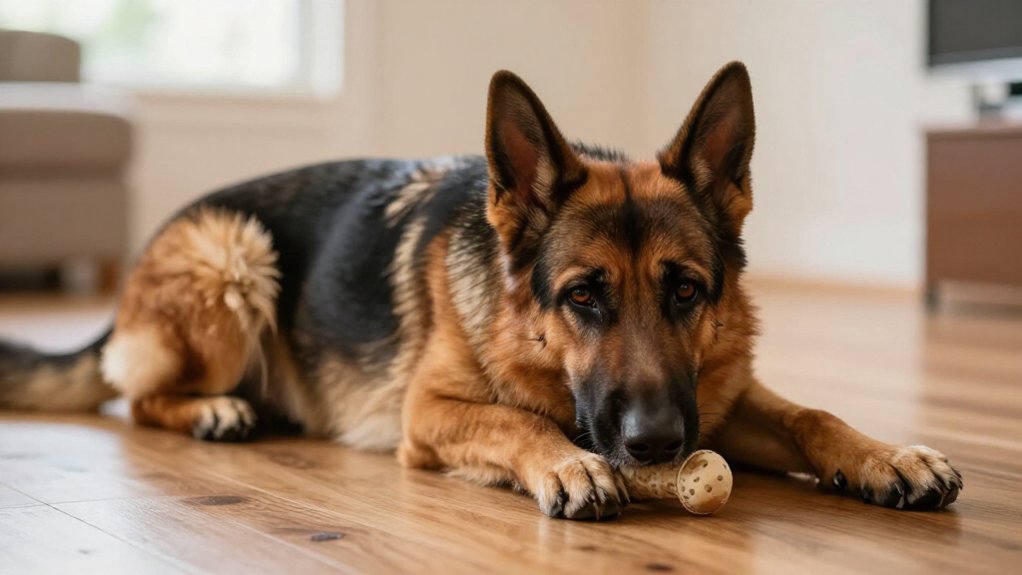
Although you might wonder if the liver coat links to temperament, science shows it does not. Genes like TYRP1 create the brown color but operate independently from behavior genes. Experts confirm pigment pathways don’t shape drive or confidence in Shepherds.
Instead, lineage and breeding goals determine these traits. When choosing a dog to serve others, ignore coat shade. Focus on the puppy’s individual disposition and the parents’ proven temperaments.
Breed standards explicitly state color doesn’t affect working ability. While rare, liver coats remain purely cosmetic variants. You’ll find equally capable workers across all shades.
Trust reputable breeders who select for mental stability over looks. This approach ensures you bring home a dog ready to help. Remember that health and training matter far more than fur. Once your puppy settles in, secure outdoor dog gates can control access to yards and patios, giving your young Shepherd a safe space to learn and relax.
What Training Does a Liver German Shepherd Need?
You might wonder if a liver German Shepherd needs special training, but they require the same intensive socialization, structured obedience, and high daily physical and mental activity as any other Shepherd.
Start early, exposing your puppy daily to diverse people, animals, and sounds between eight and sixteen weeks. Use a checklist for systematic visits, keeping sessions short and positive.
Enroll in puppy classes by twelve weeks to teach core commands like sit, stay, and recall. Practice these daily during routines.
Introduce handling training for grooming and vet care now. Correct unwanted behaviors immediately using redirection. Getting your puppy comfortable in a car travel harness early also makes trips to vet visits and puppy classes safer and less stressful.
Adults need about two hours of daily exercise, combining walks with agility or fetch. Pair this with thirty to sixty minutes of mental work to keep your servant dog balanced, happy, and ready to support your needs.
How to Find a Reputable Liver Shepherd Breeder
When you search for a reputable liver German Shepherd breeder, you need to verify their health testing standards for hips, elbows, and genetic conditions.
You should also look for breeders who treat the rare liver color as secondary to sound temperament and structure.
These ethical color practices guarantee you get a healthy puppy without supporting careless breeding focused only on rare coats. Once your puppy comes home, a slip lead makes early handling and controlled walks much easier to manage.
Health Testing Standards
To find a reputable liver German Shepherd breeder, you’ll want to see that they follow thorough health testing protocols covering hips, elbows, cardiac, thyroid, eyes, genetics, and temperament.
Verify OFA or CHIC registrations for both parents, confirming hip and elbow screenings after skeletal maturity. Ask for cardiac exams, thyroid evaluations, and annual eye exams until six years.
Guarantee DM and MDR1 genetic tests are completed and published. Confirm formal temperament testing for stable character.
Review public databases for transparent health records. This approach assures you support breeders prioritizing canine welfare over color.
Ethical Color Practices
Although a reputable liver German Shepherd breeder is hard to find, you’ll spot them by how they prioritize ethics over color. They won’t breed for the rare coat; they’ll breed for sound structure, stable temperaments, and working utility.
You should look for breeders who frame color as a secondary genetic variation rather than a primary goal. Ask to see clear selection criteria that focus on conformation and ability instead of marketing hype.
Check for memberships with respected clubs like the GSDCA or SV, which discourage breeding for off-standard colors.
Review their written contracts carefully. Ethical breeders will include health guarantees and return policies to ensure long-term welfare.
They’ll screen your home thoroughly to confirm it fits your lifestyle needs.
Trust breeders who value integrity over profit and help you serve these dogs well.
How Much Does a Liver German Shepherd Cost?
Because coat color influences market demand, you can expect a liver German Shepherd puppy to cost between $500 and $2,500 from a reputable breeder. These pricing represent the broader standard German Shepherd market, though rare liver coloration often adds a $450 to $750 premium.
When you seek to serve these dogs well, prioritize health-tested parents and clear pedigrees, as these factors truly drive value more than color alone.
Breeders offering working or show lines might charge up to $10,000 for exceptional bloodlines.
Regional variations also matter; expect higher costs in urban areas compared to rural markets.
Always budget for these upfront costs to ensure you can provide the excellent care these rare dogs deserve. Once your puppy is home, a GPS dog collar can help you monitor their location and keep them safe.
Pros and Cons of Owning a Liver Shepherd
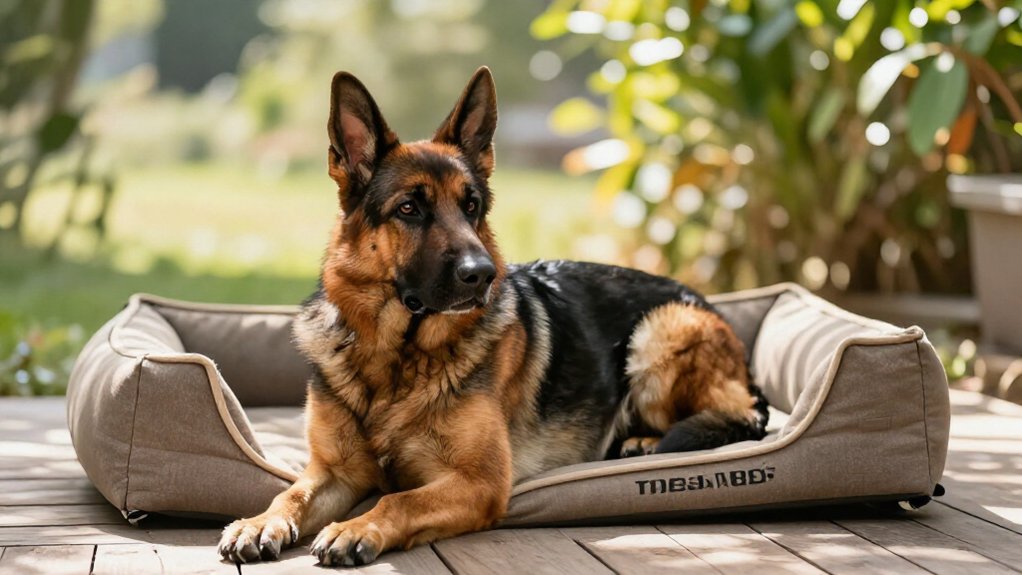
When you decide to bring a liver German Shepherd into your home, you gain a highly intelligent and loyal companion capable of excelling in various roles, but you must commit to meeting their intense exercise and mental stimulation needs.
You’ll appreciate their cooperative temperament, which facilitates obedience training for service work. Their strong protective instincts support effective roles as family guardians.
However, you’ll face challenges if you don’t provide substantial daily activity exceeding two hours. Without proper stimulation, they develop destructive behaviors.
Their large size creates issues in small homes. Health risks like hip dysplasia require vigilant veterinary oversight.
While their rarity and distinctive look appeal to many, breed-standard bias limits show prospects.
Ultimately, these dogs thrive when you actively channel their working drive toward meaningful tasks that serve others.
How to Care for a Liver Shepherd’s Coat
To care for a liver German Shepherd’s coat, you need a consistent grooming routine that accounts for its dense double coat and seasonal shedding. Brush your dog three to four times weekly to remove dead hair and distribute oils. During spring and fall, brush daily to manage heavy shedding. Use a pin brush or slicker brush for regular sessions.
When your coat blows, employ an undercoat rake or de-shedding tool. Bathe only every six weeks to avoid stripping natural oils. Choose gentle, dog-specific shampoos formulated for sensitive or dilute coats. After bathing, thoroughly towel-dry to prevent skin irritation.
Never shave your Shepherd, as this damages insulation and texture. Regular combing around ears and legs prevents matting in high-risk zones. Consistent care guarantees their coat remains healthy and vibrant.
Do Liver German Shepherds Suit Families?
How do Liver German Shepherds fit into family life? Their coat color doesn’t change their loyal, intelligent temperament. You’ll find them devoted, smart companions who bond strongly with household members.
They’re naturally protective yet gentle with familiar people. You’ll need to socialize them early so they’re patient and affectionate with children. Your adult supervision is essential since their herding instinct can overwhelm young kids.
They usually get along well with other pets if introduced early. You should provide at least two hours of daily exercise and mental challenges. This high-energy breed becomes difficult to manage without proper engagement.
Their steady training is straightforward thanks to their enthusiasm to work under direction. When you meet their physical and mental needs, they become reliable, calm guardians for your home.
You’ll get a loving, watchful member of your family.
Can Liver German Shepherds Work in Sports?
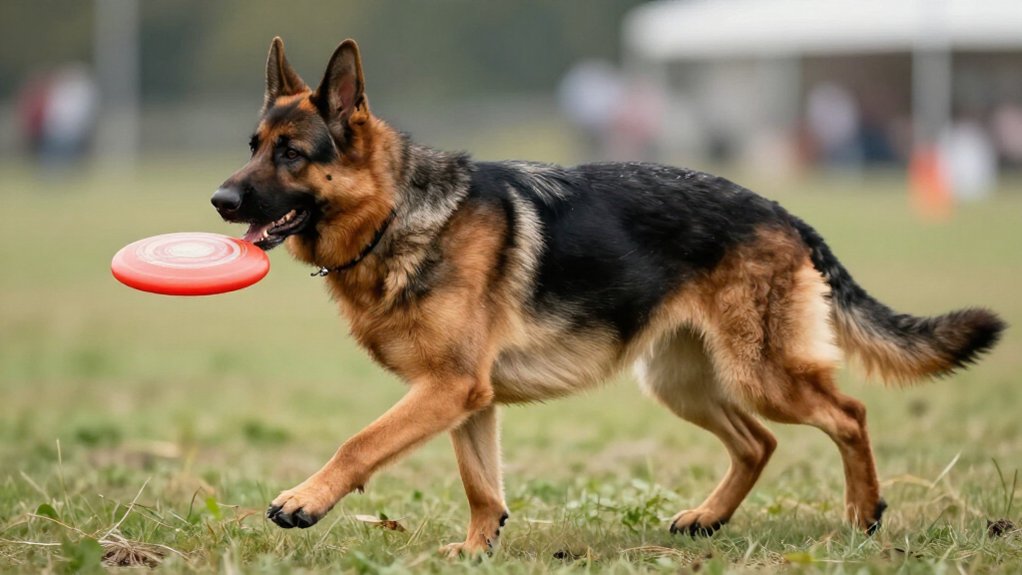
Once you consider a liver German Shepherd for your family, you might wonder if their unique coat affects their potential in sports. You’ll find that color impacts only pigment, not ability. The genes controlling coat shade remain separate from those driving intelligence, stamina, and working drive.
As a dog sport participant, you evaluate structure, nerve, and training quality. Registries prioritize pedigree and performance over conformation faults like coat color.
Liver Shepherds possess identical skeletal, muscular, and cardiopulmonary capacity to standard varieties. They achieve speeds of 28 to 35 mph and sustain endurance trotting across miles.
Breed standards explicitly state color doesn’t determine working ability. You can confidently include these dogs in agility, obedience, tracking, and IGP.
Their recessive alleles, long present in bloodlines, cause no performance deficits. Focus on drive and temperament, not shade, when selecting your athletic canine partner.
Frequently Asked Questions
Can Liver German Shepherds Be Registered With Major Kennel Clubs?
Yes, you can register liver German Shepherds with the AKC and Kennel Club, but you’ll face serious faults. In contrast, FCI and UKC standards disqualify them entirely from conformation and full registration status.
Is the Liver Coat Color Linked to Deafness or Blindness?
Don’t you worry about sensory issues? You’ll find liver coats don’t link to deafness or blindness. Your patients stay healthy since color stays cosmetic. Focus on their care, not hue. This eases your advisory role, ensuring confident recommendations for every client’s shepherd companion today.
Do Liver German Shepherds Require Different Grooming Than Black Shepherds?
You don’t need different grooming for liver German Shepherds; brush them three times weekly with a slicker brush, bathe monthly, and trim nails just like black Shepherds, as their double coats shed equally.
Why Are Liver German Shepherds Often Considered Faults in Shows?
You find liver German Shepherds considered faults because their diluted brown pigment departs from the rich black-based colors standards demand, leading judges to heavily penalize them in conformation shows.
Are Liver German Shepherds More Expensive Than Standard Colored Ones?
Are you asking if liver German Shepherds cost more? You’ll often pay a scarcity premium, though breeder reputation and health testing usually drive pricing far more than this rare coat color alone.