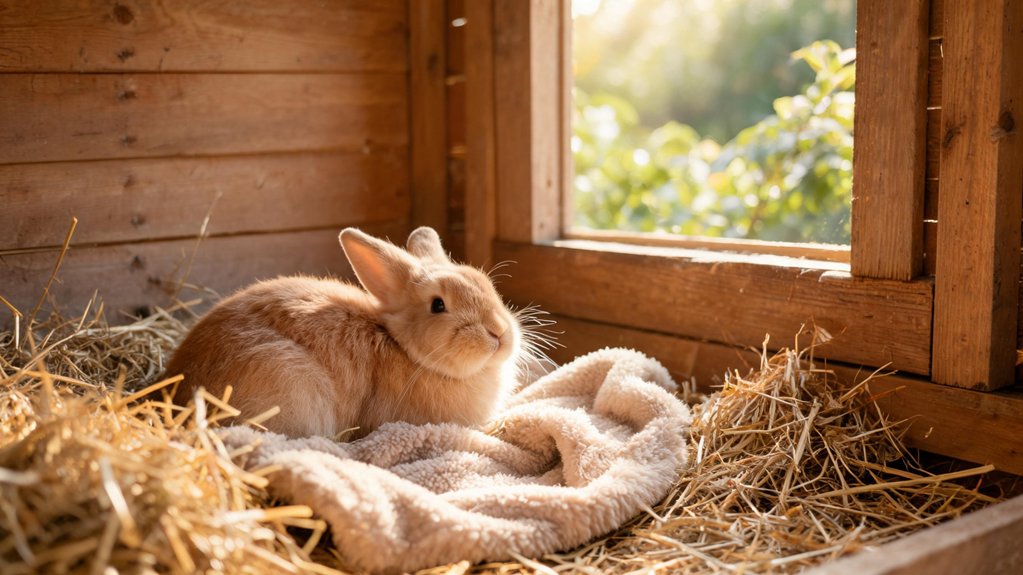
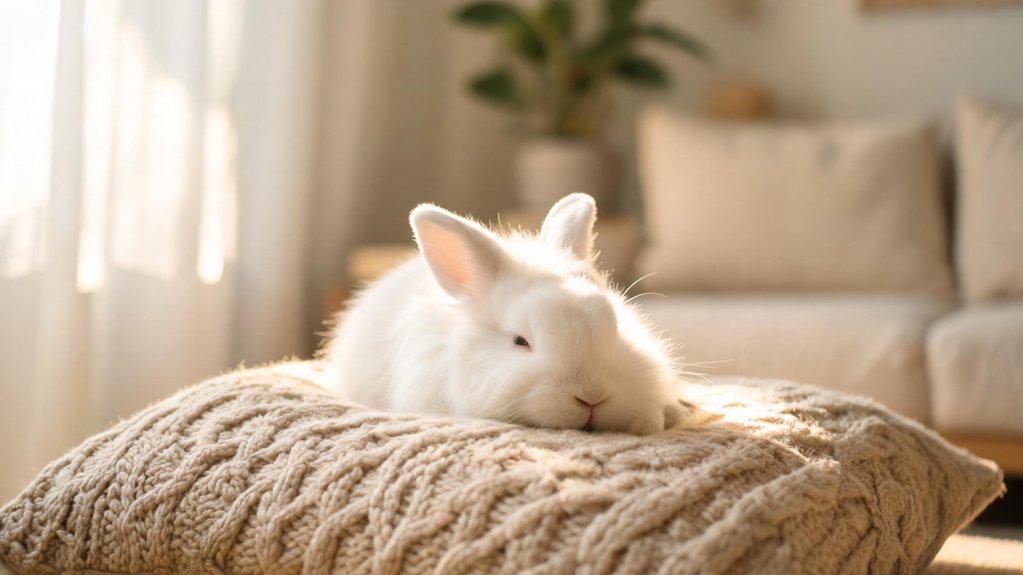
If you’re caring for an English Angora, expect a “round-ball” rabbit with continuous silky wool that mats fast. You’ll groom every day, using cool settings, and trim only around the eyes and mouth to protect them from fiber. Feed unlimited grass hay (about 80% of diet) and a little hay-based pellets. Keep them indoors, 50–75°F, and check belly, feet, and tail daily for soiling. Prices in the US vary, but adopt and budget. Keep going for more tips.
Swift Summary
- Groom daily to prevent matting in dense, long silky wool; focus only on face/eyes/mouth trims while avoiding eyes.
- Plan a 90–120 day molt with a 2–3 week grooming prep window; pluck during molt for longer staple or shear for speed.
- Provide unlimited grass hay (about 80% of diet) plus limited hay-based pellets, and do daily health checks.
- Watch flystrike risk (May–September) and eye irritation from wool; seek a rabbit vet for ulcers or changed droppings.
- Expect typical adult size 2–3.5kg and budget extra time; prices vary by breeder and require ongoing grooming supplies.
Quick Facts: English Angora Rabbit Size, Coat, and Lifespan
English Angoras are a small-to-medium wool rabbit, and they’re known for that “round ball of fluff” look.
If you’re shopping for an english angora rabbit for sale or planning care for an english angora bunny, know the basics.
They’re compact, with short necks, and many adults land around 2.0–3.5kg (4.4–7.7lb).
Their coats grow continuously, silky and very soft, with long fine wool that mats easily, so you groom often. (wool growth)
Most guides list a lifespan around 7–10 years, sometimes up to 12, with great food, housing, and vet care.

7-in-1 Rabbit Grooming Kit: Not only gentle and safe for small animals, such as rabbit, hamster, guinea pig, and chinchilla; but also work great for larger animals like cats and dogs. Soft silicone small animal massage comb can help you protect your pet's skin and effectively keep their fur clean, healthly.

【8 Pieces Pet Grooming Kit】 The set contains pet nail clipper and file, flea comb*2, pet shampoo bath brush , pet shedding slicker brush, bath massage glove, small cleaning comb.

7-in-1 Rabbit Grooming Kit: Not only gentle and safe for small animals, such as rabbit, hamster, guinea pig, and chinchilla; but also work great for larger animals like cats and dogs. Soft silicone small animal massage comb can help you protect your pet's skin and effectively keep their fur clean, healthly.
English Angora Rabbit Breed Profile and ARBA Status
If you’re looking at an Angora, you’ll want to know how the English Angora fits into the rabbit world—especially with ARBA, the American Rabbit Breeders Association. You’ll find it’s one of four recognized Angora breeds, and ARBA treats it as a compact wool type. English Angora is recognized by ARBA, and its breed status is part of the Angora group. Developed in England from Turkish Angora stock, it arrived early in North America and became distinct from French, Satin, and Giant Angoras. You’ll see calm, sociable behavior, plus dense, uniform wool that grows fast. In shows, judges reward wool density and coverage, and they score color separately. Your rabbit belongs in ARBA Colored or White divisions.

This formula uses whole natural ingredients and supplements to provide complete and balanced nutrition that covers all of your rabbits needs. This includes:

This formula uses whole natural ingredients and supplements to provide complete and balanced nutrition that covers all of your rabbits needs for a healthy and active lifestyle in every bite - no selective feeding of colorful treats.. This includes:

This formula uses whole natural ingredients and supplements to provide complete and balanced nutrition that covers all of your rabbits needs for a healthy and active lifestyle in every bite - no selective feeding of colorful treats.. This includes:
What Do English Angora Rabbits Look Like, and What Colors Do They Come In?
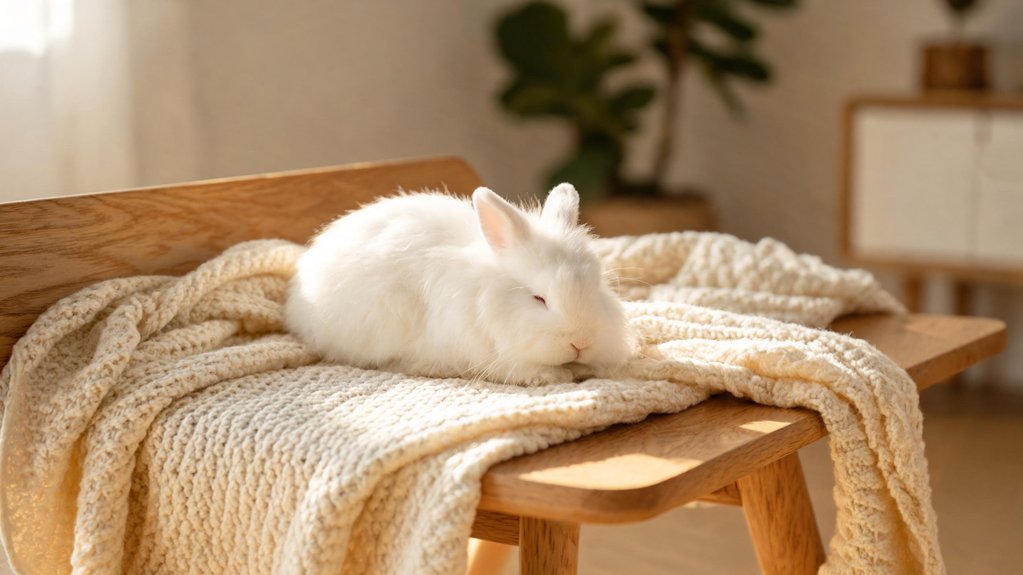
When you picture an English Angora, you’re really picturing a round “ball of fluff,” with a compact, short-coupled body that looks bigger than it really is because the wool hangs so heavily. You’ll notice dense, silky wool covers the entire body, even the feet, and it can reach about 3 inches, which adds to that plush outline. And you’ll see a broad, snub-nosed head with bangs, side trimmings, and wool over the eyes—so the expression looks owlish. Wool ears end in tassels. most heavily furnished English Angora has wool that’s known for being especially heavy and abundant across the body. Colors range from Colored or White groups, including pointed whites, agouti types like Chestnut or Opal, plus self, shaded, tortoiseshell, pearl, and wide-band shades.

SOFT TEXTURE & SWEET FLAVOR: With its soft texture and naturally sweet flavor, Orchard grass hay appeals to rabbits, guinea pigs, and small herbivores; This high-fiber hay supports healthy digestion while encouraging natural chewing behaviors

【Unique Bedding】The rabbit chewing mat adopts a unique and exquisite weaving method,straw mats for bunny is safe and durable,and woven grass for rabbits is made of natural straw.rabbit straw hay mats are more attractive to your little pet.Your little pet can chew, grind its teeth, sharpen its claws, rest and play on the straw woven mat for rabbits.You can put the small rabbit grass mats inside or outside the cage

100% Handwoven:Rabbit grass mat is made from 100% natural straw and handwoven,bunny straw pad is safe for chewing and nesting.Due to small size,you can cut rabbit chewing mat freely and placed in pet cage,ensuring a cozy and healthy environment
How Big Do English Angora Rabbits Get, and How Do They Move?
You’ll find English Angora rabbits are small to medium, with typical adult weights around 5–7.5 lb (about 2.3–3.4 kg), and they can look bigger under all that dense wool.
For movement, you should expect a moderate energy level, calm exploring, then short bursts of hopping and binkying (fast happy jumps) when they’ve got space.
Plan for daily time out of the cage or hutch—think at least an hour—so they can stretch, zoom around, and rest between little activity bursts.
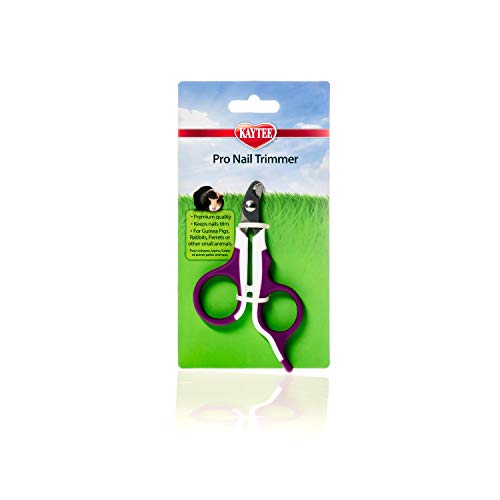
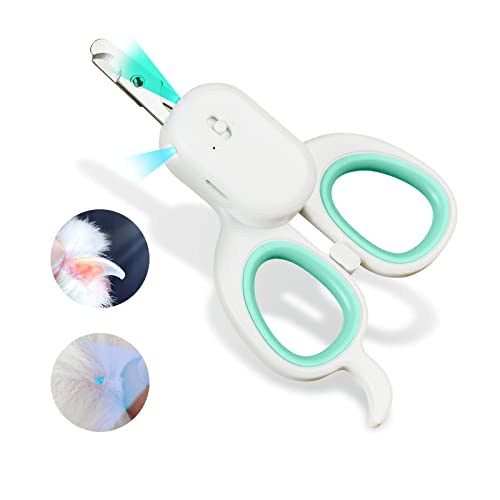
Bright LED Light: Equipped with LED light at the end of this unique cat nail clipper. The light illuminates your pet's nails, allowing you to quickly and easily find where to cut, preventing damage to the blood vessels on your pet's nails

LED Quick Finder Light: The built-in LED light helps reveal the quick, reducing the risk of over-cutting for safer, easier at-home nail trimming. Visibility may vary on dark nails.
Typical Adult Weight Range
An adult English Angora is usually a small-to-medium rabbit, with a typical weight around 2–3.5 kg (about 4.4–7.7 lb). That “typical” range helps you plan your care, feeding, and comfort.
Many guides put the average adult closer to 2.5–3 kg (5–7 lb). Breed summaries often cite about 4.5–7.5 lb as a working range.
Males and females can vary, and lines matter. Plus, their dense wool can make them look bigger than the scale shows. So trust the weight range, not the fluffy look.
Movement And Mobility Needs
English Angoras are compact, medium-sized rabbits, and their mobility is built for quick hops, not slow strolling.
Aim for daily floor time, about 120 minutes in a clean, rabbit-proof area, so they can hop, turn, and explore.
Give 3–4 hours total play outside the enclosure when you can.
Let them binky, zoom, and sprint in safe space, then dig and scratch on offered substrate.
A good rule: enclosure length should be at least four times their body length, with a minimum around 36 by 24 inches.
Keep floors debris-free, because wool picks up mess.
Temperament and Lifespan: What to Expect Day to Day
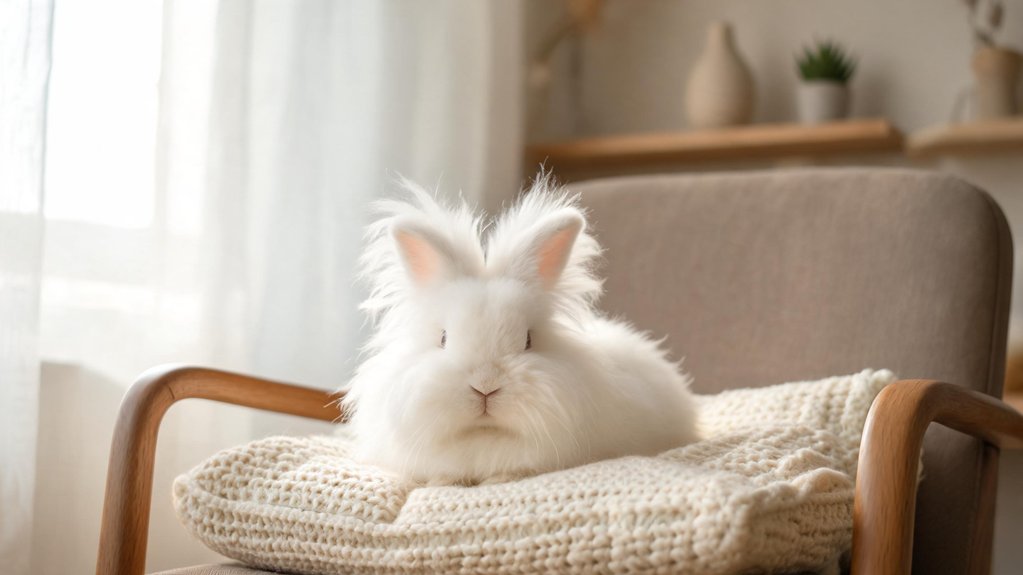
You’ll usually find your English Angora rabbit is gentle and docile, and with calm, floor-level handling you can often make grooming feel like a safe, friendly routine.
For lifespan, plan on about 7–10 years on average, and remember that great diet, good housing, regular brushing, and vet checkups can push some rabbits closer to 5–12 years.
And day to day, you’ll set yourself up for success with a stress-free schedule—daily brushing and a little supervised out-of-pen time—so they feel secure, eat well, and stay comfortable.

Clean Pets, Clean House: Depets cat & dog brush for shedding can easily remove loose hair, shedding mats, dander and dirt of your pet, which not only keep your pet clean, but also provide you with a clean and hygienic home environment

【Premium Material】This rabbit hair brush, made of silicone, is a great choice for your beloved rabbit grooming kit. This safe rabbit hair brush is designed to provide gentle yet effective grooming, protecting your pet's delicate skin while effectively keeping their fur clean and healthy. Cleaning is also very easy; simply rinse with water and air dry to maintain hygiene and ensure your pet's grooming tools are always clean and safe.

MADE FOR SEASONAL SHEDDING: Make shedding season easier for your rabbit or guinea pig. The densely arranged fine metal pins help lift and collect loose fur during molting periods, making regular grooming more manageable and helping reduce shed hair around bedding, blankets, and living spaces
Temperament: Gentle, Docile Handling
With their overall calm, docile, and gentle nature, English Angora rabbits usually do best when you keep handling quiet, slow, and consistent.
You’ll get the sweetest results when you let them approach you, instead of reaching in.
Angoras often dislike being picked up.
So handle close to the ground, and only for short lifts.
If you must lift, support the chest and hindquarters fully, hold them close, and stay steady.
But when sessions stay predictable, they stay tolerant.
Pair grooming and health checks with gentle affection, and many bond strongly with you.
Lifespan: Typical 7 To 12
A healthy English Angora life often runs about 7–12 years when you provide steady, loving care. And yes, that’s a longer commitment than many first-time keepers expect.
You’ll often see “senior” stages around 5–6 years, with slower hopping, trouble reaching the litter box, and less active grooming.
You may also notice vision or hearing changes, plus reduced appetite.
But you can help them reach or even exceed 7–10 years by preventing wool block (hair digestion issues), dental problems, and painful mats.
Also check ears, weight, and droppings daily.
Day-To-Day Needs: Stress-Free Routine
Most days, English Angora rabbits do best on a calm, predictable routine that protects them from stress and helps prevent health problems that can snowball.
Keep indoor life cool and quiet, with good ventilation, because their dense wool can overheat.
Offer a pen or bunny-proofed area for at least 2 hours daily floor time, plus 3–4 hours of gentle exercise.
Use slow movements, quiet voices, and gentle, ground-level handling.
Lift only for grooming or health checks, since improper support can hurt fragile spines.
Grooming, feeding, and short petting sessions help bonding.
Watch for thumping, sudden bolting, and startle.
Grooming English Angora Rabbits to Prevent Mats and Wool Block
English Angoras come with a dense, long wool coat, and because it tangles so easily, you have to stay on top of grooming.
English Angoras have a dense, long wool coat that tangles easily—so daily, gentle grooming is essential to stay on top of it.
Brush gently every day, using a fine-toothed or wire-bristled brush.
Mats trap moisture and waste against the skin, which can lead to painful inflammation or infection.
And wool can hide tiny sores or parasites, so you can’t “assume all is well.”
If you find serious felted wool over large areas, ask a rabbit-savvy groomer or vet to clip it.
To prevent wool block, keep coat length controlled with trims every 3–4 months.
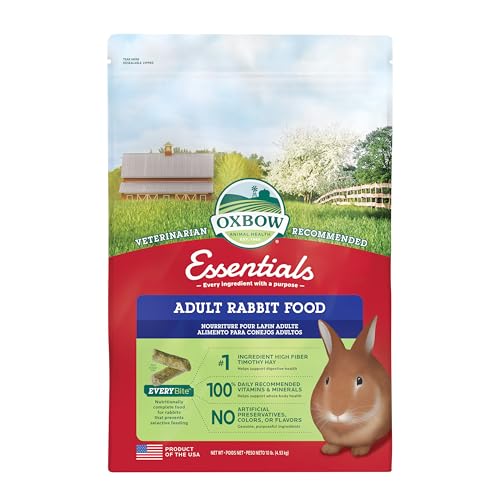
COMPLETE NUTRITION IN EVERY BITE: Oxbow EVERYBite foods are specially formulated to deliver balanced, complete nutrition in every serving; Each bite ensures your rabbit gets the essential vitamins and minerals needed for a healthy, active, and happy life

DAILY BUNNY PELLETS: Formulated with 100% of your pet’s daily recommended vitamins and minerals, this balanced rabbit food supports whole-body health, including strong immunity, healthy growth, and vibrant energy levels for rabbits

This formula uses whole natural ingredients and supplements to provide complete and balanced nutrition that covers all of your rabbits needs. This includes:
Step-By-Step Coat Care Schedule for English Angora Rabbits
Set a daily routine, because your English Angora’s coat changes fast, especially around the belly, bottom, and feet—check those spots for debris and any dull, compromised wool.
When you see loose fiber during shedding (every 3–4 months), plan for a gentle wool harvest and only trim around the face, eyes, and mouth area so nothing gets in their eyes.
Keep grooming sessions short but consistent, then adjust up to every other day or daily during a molt to stay ahead of mats.

PROUDLY GROWN IN THE USA: Harvested fresh from Oxbow?s family of farms by our expert hay growers˜

PEELS OFF IN LAYERS Wafer Cut Timothy Hay reduces mess and makes feeding easier

HAND-SELECTED TIMOTHY HAY FOR RABBITS, GUINEA PIGS, CHINCHILLAS, & SMALL ANIMALS to ensure long fiber strands and proper leaf to stem ratio
Daily Fur Checks
Every day, you’ll want to do a quick fur check on your English Angora, because this long, fluffy coat can mat fast—and mats can lead to serious problems like wool block (fur that clumps in the gut), flystrike, and painful skin issues.
Secure your rabbit on a stable surface. Gently ruffle the coat, cool setting if you use a blower, then part fur in small sections to skin, brushing in coat direction.
Start with belly, chest, and feet, then check the base of tail, “armpits” inside forelegs, and hindquarters.
Look for dandruff, bumps, mites, fleas, and inflamed skin.
Also confirm warm-season underside is clean.
Harvest And Trimming Plan
Now that your day-to-day checks are in place, it’s time to map out a simple harvest and trimming plan for your English Angora.
In a 2–3 week prep window, groom several times weekly, even daily if mats start, then assess fiber readiness for a 90–120 day (3–4 month) molt.
Schedule major harvests about three or four times per year.
Aim for about 8–14 cm wool length, and remove all loose, “moult” fibers before dense felting forms.
For the 90–120 day session, pluck during molt for longest staple, or shear for speed.
Between harvests, trim face, feet, and rear each grooming, keep eye area clear, and check teeth.
Housing and Diet Needs for a Healthy English Angora
A healthy English Angora starts with two big basics: comfy housing and a high-fiber, hay-first diet.
Keep your rabbit indoors in climate control, around 50–75°F, with shade and strong ventilation. Avoid direct sun, since dense wool can overheat your bunny.
Provide a dry, clean area, and aim for at least 6–8 square feet, plus daily time in a run or bunny-proofed room.
Use clean, soft bedding, or an all-wire setup to keep wool off wet spots.
For food, offer grass hay unlimited, about 80% of the diet, plus limited hay-based pellets.

Vet & Groomer Recommended Professional Design: Preferred by veterinarians, trainers and groomers, these clippers deliver fast, safe and precise trimming for medium and large dogs, ideal for at-home daily grooming.

Bright LED Light: The built-in ultra-bright LED light clearly illuminates the pet's nail bloodline, shows you exactly where to make cut to avoid damaging trimming. This design can greatly reduce the risk of bleeding due to excessive trimming. You can overcome your fear of trimming nails with our comfortable nail clippers.
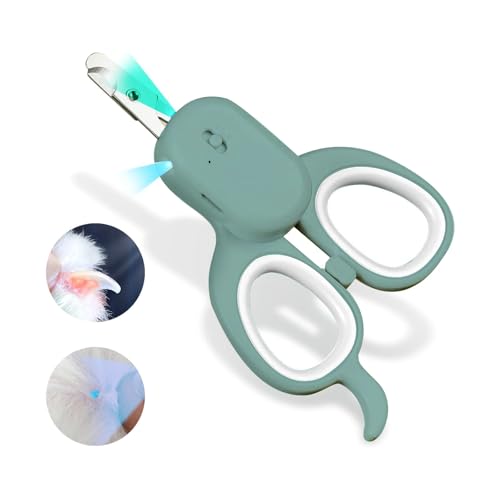
Bright LED Light: Equipped with LED light at the end of this unique cat nail clipper. The light illuminates your pet's nails, allowing you to quickly and easily find where to cut, preventing damage to the blood vessels on your pet's nails
Health Risks to Watch: Flystrike, Eyes, and Gut Issues
Flystrike, eye problems, and gut issues can sneak up fast in English Angoras, so you need to know what to look for and how to respond quickly.
Check rear wool daily, especially May through September. Moist, soiled fur can trap pee and poop, and blowflies may lay eggs that hatch into maggots.
If you see eggs or tiny white larvae, act like it’s an emergency, get a rabbit vet right away.
Also watch eyes: heavy facial wool can rub the cornea, causing scratches and ulcers.
Trim around the eyes every grooming.
For gut issues, keep wool ingestion low, and call the vet if droppings change.

【8 Pieces Pet Grooming Kit】 The set contains pet nail clipper and file, flea comb*2, pet shampoo bath brush , pet shedding slicker brush, bath massage glove, small cleaning comb.

ALL-IN-ONE PET GROOMING KIT: Contains Double-Layer Needle Slicker Brush, Rubber Tip Shampoo Bath Glove Brush with adjustable ring handle, Double-Tooth Stainless Steel Comb, Pet Nail Clipper & File, Small Cleaning Comb.

HAND BRUSH The grooming kit features a hand brush with soft gentle bristles. Routine brushing to remove loose hair or fur will help keep your pets fur conditioned.
How to Trim Nails, Clean Ears, and Manage Face Wool
About every 4–8 weeks, you’ll want to trim your English Angora’s nails so they don’t get too long, curl under, or snag while you handle and groom them.
Check nails weekly during grooming. Use rabbit-specific clippers, and avoid guillotine-style holes, which can bruise toes.
If a nail bleeds, stop, then dab styptic powder or cornstarch to help clot.
Know the quick—cutting it causes pain and bleeding.
Next, inspect ears.
Remove loose wax at the outer ear only, with a damp cotton ball.
Use a steel comb on ear tufts, combing from tip to base.
Finally, part face wool, remove any fibers touching eyes with blunt scissors.

COMPLETE NUTRITION IN EVERY BITE: Oxbow EVERYBite foods are thoughtfully formulated to deliver balanced, complete nutrition in every serving; Each bite ensures your rabbit receives the essential nutrients needed for long-term health and daily well-being

ESSENTIAL INGREDIENTS FOR A HEALTHY, ACTIVE LIFESTYLE: Made with high fiber Oxbow Timothy Hay to support healthy digestion

This formula uses whole natural ingredients and supplements to provide complete and balanced nutrition that covers all of your rabbits needs for a healthy and active lifestyle in every bite - no selective feeding of colorful treats.. This includes:
English Angora Rabbit Price in the US and Adoption Tips
Now that you’ve got nail trims, ear checks, and face-wool care on your grooming schedule, let’s talk money and next steps—because English Angoras can be a sweet, fuzzy commitment, and pricing in the US varies a lot.
In US breeder listings, you’ll often see $150–$500 for standard-quality rabbits, with rare-color does reaching around $1,950.
Pet-quality may run about $100, wool-quality about $175, and show-quality near $225.
Family breeder prices often land between $475–$1,400.
For adoption, rescue fees commonly run $50–$250.
Check House Rabbit Society Richmond’s ~ $50 single, or ~$75 bonded pair.
Ask for spay/neuter, a vet exam, microchip, and RHDV vaccine.
Frequently Asked Questions
Do English Angoras Shed, and How Often Can I Expect Wool Loss?
Yes—you’ll see shedding in English Angoras. If you worry about mats, groom them often. Expect 3–4 big wool-loss molts yearly, typically every 90–120 days, with extra light shedding in between.
What’s the Best Diet to Reduce Wool Block Risk in English Angoras?
You’ll reduce wool block risk by feeding unlimited grass hay daily, using measured high‑fiber, high‑protein pellets, and offering occasional papaya or small pineapple enzyme aids. Keep fresh water always available, and monitor feces closely.
Are English Angoras Good for Beginners, Considering Grooming Intensity?
You’ll hear the “fine-wool” promise, but you shouldn’t start here: English Angoras demand constant grooming to prevent mats and wool block. If you can brush 3–4 times weekly (daily during shedding), you’ll succeed. Otherwise, choose easier breeds.
How Long Should Grooming Sessions Take Each Day for an English Angora?
You should budget about 10–30 minutes daily for an English Angora’s coat; when fur’s very dense or during molting, plan 30–60 minutes, splitting into shorter sessions to keep stress low.
How Can I Tell if My English Angora Has Mites or Ear Mites?
You can spot mites fast: vets see parasites in skin/ear issues often. Watch for “walking dandruff” flakes, greasy scaly skin, hair loss, and heavy scratching. For ear mites, check dark coffee‑grounds debris, crusting, head shaking, droopy ears.