Yes, rabbits can be great pets, especially as indoor, house-companion rabbits. You’ll love their quiet, affectionate nature, but you’re not getting a “set it and forget it” animal. Plan on daily water checks and feeding, unlimited grass hay (most of their diet), fresh greens, and litter spot-cleaning every other day. You’ll also bunny-proof cords and furniture, and be ready for vet care fast. If you keep going, you’ll pick up the real pros and cons.
Swift Summary
- Pet rabbits can be great indoor house companions, often calm, affectionate, and quieter than many small pets.
- They need daily routines, unlimited grass hay, measured pellets, fresh greens, and frequent litter upkeep to stay healthy.
- Rabbits require a long lifetime commitment, typically 8–12 years indoors, sometimes up to 12–15 with excellent care.
- Proper housing and rabbit-proofing matter, including safe space, chew-proof cords, and preventing dangerous electrical and fall risks.
- Biggest downsides are fragile bones needing careful handling and health risks like dental or gut problems requiring prompt vet care.
Are Pet Rabbits Good Pets for Most People?
For most people, pet rabbits can be great house companions—but only if you’re ready for a little more responsibility than the “easy starter pet” label suggests. Rabbits require a lifetime commitment to provide for their health and welfare. Yes, are rabbits good pets? In many homes, they’re clean, affectionate, and quiet, so do rabbits make good house pets or indoor pets? They can, especially in apartments, and they bond well over time. But here are the rabbit pros and cons you should respect: they need daily hay, fresh greens, careful litter cleaning every other day, grooming for long coats, and hours of supervised play. They also dislike rough handling, so they’re a poor fit for young, unsupervised kids.

SOFT TEXTURE & SWEET FLAVOR: With its soft texture and naturally sweet flavor, Orchard grass hay appeals to rabbits, guinea pigs, and small herbivores; This high-fiber hay supports healthy digestion while encouraging natural chewing behaviors


PROUDLY GROWN IN THE USA: Harvested fresh from Oxbow?s family of farms by our expert hay growers˜
Rabbit Ownership: Quick Yes/No Checklist
Use this quick yes/no checklist to see if rabbits fit your home and your schedule, starting with daily care and monitoring.
You’ve got to spend about 1 hour each day on feeding, fresh hay and leafy greens, litter upkeep, and a calm check for poop, appetite, and any signs of injury—no “hands-off” pets here.
And when it comes to handling risk, ask yourself if you can support gentle, supervised interactions to protect their fragile bones, because falls and rough handling can lead to painful injuries fast.

Spacious Comfortable: This large rabbit litter box offers ample space with dimensions of 16.9" long x 11.8" wide x 6.3" high, making it ideal for adult rabbits, guinea pigs, ferrets and chinchillas.The litter box rabbit, say goodbye to cramped corners
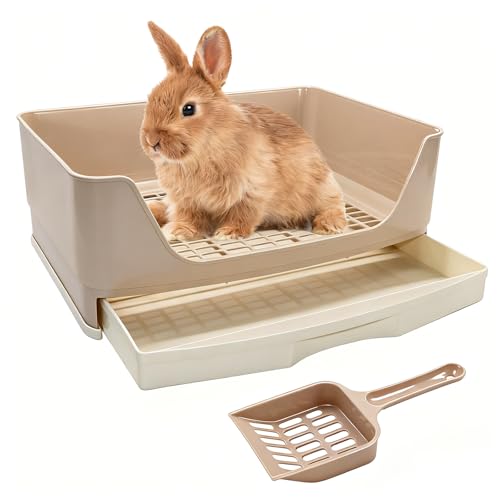
Material: Made of durable, stain and odor resistant plastic. The bottom is reinforced to hold adult small animals of relatively large size.

【Innovative Two-Tier Design】This litter box features a smart two-part construction. The top section is crafted from sturdy, lightweight grey ABS plastic, providing an open-top design for easy rabbit access. The bottom basin is made entirely of rust-resistant stainless steel, ensuring exceptional longevity and effortless cleaning
Daily Care And Monitoring
If you want to know whether a rabbit is a good pet for *you*, start here—daily care and monitoring.
Do a pet rabbit health check every day, yes or no: normal appetite, drinking, and poop in the last 24 hours, stable weight, alert posture, and a clean rear end. Include a quick temperature awareness check as part of your routine, since normal rabbit body temperature is 103–104°F (39.4–40°C).
Check diet too, unlimited grass hay (about 80–90%), fresh leafy greens, measured pellets, and new water daily.
Spot-clean the pen, empty the litter daily, and offer safe space plus a few hours of supervised play.
Include pet rabbit grooming and monitoring—brushing, nails, and watching eyes, ears, teeth, skin, and feet.
Schedule vet care annually, urgent signs mean quick help.
Handling Risk And Injury
Daily care helps you spot problems early, but handling is where things can go wrong fast.
Rabbits have a fragile spine.
Never let them twist, jump, or flip in your arms, and don’t “catch and hope” at height.
Support the full back and hindquarters with a low, two-handed lift, calm and confident.
Forceful restraint or grabbing ears, scruff, or legs can cause spinal fractures and paralysis.
Next, manage bite and scratch risk.
Use gentle gloves if needed, keep kids supervised, and wash any bite or scratch right away.
If it looks deep, swollen, or infected, seek a vet.
These problems with rabbits as pets can be real, but preventable.
Hidden Rabbit Costs: Vet, Hay, and Mess
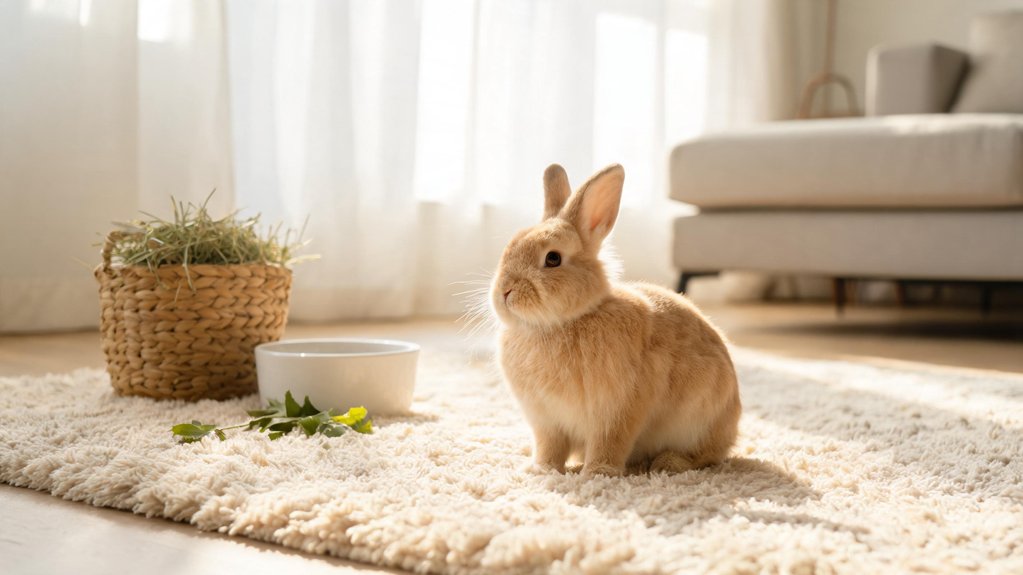
You’ll quickly find that rabbit costs aren’t just the initial setup, they keep showing up monthly.
Plan on vet visits for routine exams (often about $70–$130) plus vaccines, and remember one adult rabbit eats around 5–6 pounds of grass hay each month, usually about $15–$40, with extra greens (roughly $20–$50) and pellets if you feed them.
And yes, the mess matters too—expect ongoing litter and frequent spot-cleaning, because GI problems and “oops” accidents can hit your wallet fast when you wait too long.

Versatile Size: This 80 x 50 inch mat is compatible with most popular size playpens and works well underneath play yards of various sizes and shapes, great for small or big pets.

[Anti‑Chew Waterproof Liner] This guinea pig & rabbit cage comes with a waterproof liner installed outside the frame. It effectively resists pet chewing for long‑lasting service, and keeps waste and spills contained inside the small‑pet habitat

Spacious Room: The pet playpen adopts a unique octagonal structure with a size of 39 x 39 x 19 in, which is more spacious than ordinary hexagonal cat playpen. It provides a more open space for pets to run, play and rest freely and is suitable for small and medium-sized animals such as rabbits, puppies, kittens, chicks and guinea pigs.
Rabbit Vet Visits And Costs
Even with the happiest, healthiest indoor bunny, rabbit vet care can still hit your wallet, and the cost can feel “hidden” until you need it.
For a pet rabbit, plan for spay neuter costs, since many clinics charge about $200–$300 on average, but complex cases can go over $500, and some female spays with specialists may reach around $1,500.
Next, set aside emergency money.
Emergency rabbit visits can range from $150 to $4,000, with an average near $900.
For peace of mind, call an exotics vet now, ask pricing, and confirm what’s included.
Ongoing Hay, Greens, And Litter
Besides the vet bills, the day-to-day “ongoing stuff” is where indoor rabbits quietly rack up costs—especially hay, greens, and litter.
As a pet rabbit owner, you’ll plan on unlimited grass hay, about 75–90% of an adult rabbit’s diet.
Hay supports gut health and tooth wear, so you’ll buy it often.
A 15-ounce bag may last 3–4 days, and farm bales last months.
Next, budget leafy greens daily, about 1 cup per 2 lb body weight.
Do rabbits make good indoor pets? Yes, but expect litter: boxes ($8–$30), paper-based pellets ($10–$40), and cleaning $15–$40/month.
And that’s part of the pet rabbit pros and cons.
Rabbit Temperament: Bonding Without Constant Cuddling
Bonding with a rabbit doesn’t have to mean nonstop cuddling. For your pet bunny, rabbit advantages show up in calm closeness.
Sit or lie on the floor, so you don’t loom from above. Offer predictable routines, same time each day, for short trust sessions about ten minutes.
Let your rabbit choose. You should keep hand-feeding from the normal ration, and skip holding at first.
Signs count: your bunny follows you, rests where it can see you, eats while you’re nearby, then nudges, nuzzles, or grooms your hand.
If a rabbit is touch-averse, it’s still a good pet—so are rabbits bad pets? Usually, no.

DUAL-SIDED DESIGN: Our Undercoat Rake Dog brush is perfect for deshedding your pet's coat. Designed with a dual-sided design, start with a 9-teeth side to tackle stubborn mats and tangles, and finish with a 17-teeth side to thin out and deshed after.

WORLD’S #1 CAT HAIR BRUSH: Our cat grooming brush / cat shedding brush is the world's best patented pet grooming brush for cats, small dogs, and rabbits. It is the perfect cat deshedding brush, short hair cat brush, & cat brush for long haired cats.

【Easy Desheding】: Swihauk self cleaning dog brush for long haired dogs with release bottom helps effortlessly reduce shedding. A must have dog brush for short haired dogs, cat brush for indoor cats, cat brush for shedding, slicker brush for dogs.
How to Lift Rabbits Safely (To Avoid Serious Injury)
Before you lift, keep the rabbit calm and support its body and hips right away—one hand under the chest and front legs, the other under the hindquarters.
Then secure the hind feet so they stay flat in your palm (or held gently between fingers), and keep its head slightly higher than its bottom to avoid stressing the spine.
If your rabbit kicks hard, pause and reset with steady support instead of forcing the hold—this is how you prevent serious injury.

HEALTHY SNACK FOR SMALL PETS: Made with Western Timothy Hay, carrots, and dill, these heart shaped treats are the perfect healthy snack; Great for rabbits, guinea pigs, and bunnies looking for tasty pet treats that support a balanced rabbit food routine

FREEZE DRIED RABBIT CAT TREATS – CRUNCHY, BITE-SIZED, EASY TO EAT REWARDS, 0.9 OZ BAG: High protein, grain free cat treats made with single protein rabbit in a light, crunchy format designed for cats of all ages

NUTRITIOUS TREATS: Oxbow Simple Rewards Baked Treats are crafted with nourishing, high-quality ingredients like fiber-rich Timothy Hay, apples, and bananas—supporting your small pet’s health with no artificial colors, flavors, or preservatives
Support Body And Hips
When you pick up your rabbit, supporting the body and hips isn’t optional—it’s what helps prevent painful injuries. This is one of the key pros and cons of rabbits, because safe handling matters.
During rabbit lifting, you must support the lower spine and hips, reducing risk of fractures from strong hind-leg force.
Keep your hands balanced, one under the chest just behind the front legs, and the other scooping under the rump.
Let the bottom hand carry most weight, keep feet contained, and prevent dangling.
For rabbit disadvantages, remember: ears, legs, tails, or scruff-only lifting can cause serious spinal and hip trauma.
Stay steady, serve safely.
Secure Handling During Lifts
Secure handling during lifts is one of the biggest “are rabbits good pets” reality checks—because rabbits can hurt both themselves and you fast if you pick them up wrong.
Before you lift, walk calmly at ground level, and touch their shoulders and sides first.
Lift only one at a time, keep one hand on them on any raised surface.
Place one hand under the chest, just behind front legs, and the other under the rump.
Support hindquarters, keep feet flat, and hold close to your torso.
Stop if they thrash.
Never lift by ears, legs, neck, tail.
If you’re thinking about “why rabbits aren’t good pets” or the disadvantages of having a rabbit, this is it.
Indoor Housing Beats Tiny Cages
If you want your rabbit to feel safe, move normally, and stay healthier, bigger indoor space beats tiny cages. When you ask, “can a rabbit be a pet,” the answer often starts with Space & cage size standards.
Aim for about 18×24 inches for small breeds, 24×30 for medium, and 30×36+ for giant types, plus 16–18 inches of height. Better yet, give 1.5–5 square feet of floor space per rabbit, or about 4 ft × 2 ft × 4 ft.
Small cages force stress, limit running, and block hind-leg extension. Add an exercise pen. More enrichment means a better, is a rabbit a good indoor pet?


PROUDLY GROWN IN THE USA: Harvested fresh from Oxbow?s family of farms by our expert hay growers˜

SOFT TEXTURE & SWEET FLAVOR: With its soft texture and naturally sweet flavor, Orchard grass hay appeals to rabbits, guinea pigs, chinchillas, and small herbivores; This high-fiber hay supports healthy digestion while promoting natural chewing behaviors
Rabbit-Proof Your Home Before Bringing One Home
Once you’ve got enough space for your rabbit to run and stretch, the next step is making your home safe for chewing curiosity.
Start rabbit-proof your home by managing electrical and fire safety: cover cords with chew-resistant protectors, lift cables off floors, and never run live cords under rugs. Chew-resistant cord protectors are a practical choice because they keep rabbits from gnawing on cables and reduce the risk of electrical shock.
Add safety covers to outlets, and keep extension outlets outside rabbit zones.
Next, block toxic plants and small-object hazards.
Remove houseplants from rabbit areas, and store cleaning products, detergents, pesticides, and medicines in closed cupboards.
Gate bathrooms and kitchens.
Pick up coins, buttons, toys, remotes, and loose cables.
Finally, mesh windows with sturdy mesh.

Easy to clean: The rabbit litter box comes with pet toilet training pads - Are you tired of taking the whole guinea pig litter box out of your pet's cage, dumping, and cleaning it every day? What if there's a large-sized pet litter box that can make potty training no pressure, easier, and almost no mess? Give this easy-to-clean guinea pig litter box with a litter drawer and pet toilet training pads a try and you'll never have to clean the litter box bottom ever again! Cleaning is a breeze! 1) lift out the old pee pad and throw in the trash. 2) garden hose spray down the box/tray. 3) Line the box with a new pee pad when dry

More Hygienic---Feces and urine naturally fall through the grid to the lower layer, effectively keeping the upper layer clean and sanitary, significantly reducing cleaning efforts.

Deep Design for Less Cleaning: Our Bunny Litter Box features a specially deep design that provides ample space for rabbit litter and rabbit droppings, reducing the frequency of cleaning and saving you time on maintenance
Busy-Household Rabbit Care Checklist
Between work calls, school runs, and dinner plans, your rabbit still needs a simple daily rhythm, not a complicated routine. First, set a 10–20 minute window.
Check clean water morning and evening, refill if needed. Look at droppings, behavior, and body condition.
Do a rear-end check once or twice daily in warm months to help prevent flystrike.
Next, give 1–2 hours supervised play in a safe area for reasons for keeping rabbits: exercise and bonding.
Then handle briefly, gentle petting included.
Daily, spot-clean litter.
Weekly, wash bowls, brush coats, trim nails about every 6 weeks.
Schedule a rabbit-savvy vet visit yearly.

All-Around Safe Haven for Multi-Pets: More than a daily indoor dog playpen, MZNZ pet enclosure serves as a soft, secure cat playpen, and gentle space for small animals need (rabbits,ferrets, hamsters, chickens), or recovering/pregnant pets. Whether separating a new rescue pet, setting up a nursing space for mom pets, or providing a calm retreat for post-surgery/sick pets, this soft puppy playpen meets your furry friend’s needs through every life stage. It’s a safe containment solution for various small to medium pets.

Versatile Size: This 80 x 50 inch mat is compatible with most popular size playpens and works well underneath play yards of various sizes and shapes, great for small or big pets.

NATURAL SISAL MATERIAL --- This bunny scratch mat made of 100% natural sisal fiber, providing a safe and healthy scratching surface for rabbits to satisfy their natural scratching and chewing needs, and the edges are hemmed, which will not stab the claws, beautiful and pet friendly.
Rabbit Diet Basics (And Common Food Mistakes)
You’ll keep your rabbit healthiest when you treat diet like a routine, not a guessing game.
Give unlimited grass hay all day, aiming for about 75–95% of what they eat, then add daily greens (about 2–4 cups per 6 lb body weight) and a small amount of pellets (about 1/4 cup per 5–6 lb), because fiber keeps their gut moving.
But go easy on fruits and sugary treats—they’re occasional, and common mistakes like too many pellets or too little hay can quickly lead to soft stools, obesity, or gut problems.
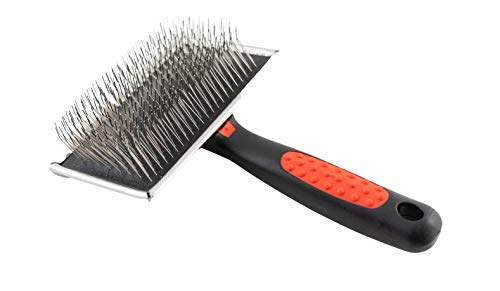
EXTRA LONG PINS - Crafted from high-quality materials, this professional-grade "Tuffer Than Tangles" brush features extra-long stainless steel pins that easily penetrate deep into your pet's coat, removing dirt and debris from the undercoat.

【Professional Pet Grooming Kit 】3 Pet grooming tools selected by pet lovers, which can meet daily all the grooming needs of pets. Let you, as the groomer, personally give your furry friend a shiny and healthy coat. This is a must-have beauty product set for pet lovers! The Best Dog Gifts - Merry Christmas
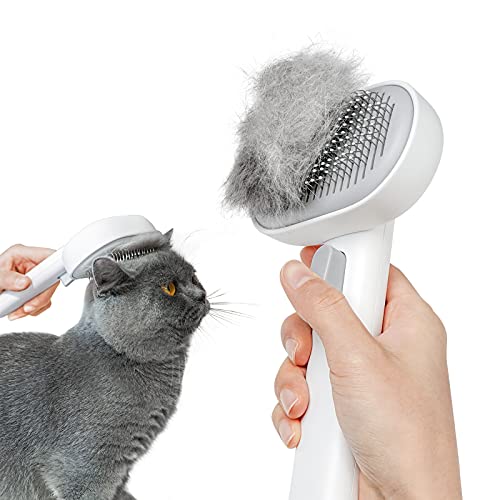
【Professional Cat Hair Brush】Perfect gift for pet owners, vets, and pet groomers. Using this cat brush for long haired cats on a regular basis can gently and effectively remove loose hair, tangles, knots, dander and trapped dirt. Suitable for short, medium or long, thick, thin or curly haired dogs/cats/rabbits, making your pets shiny and healthy.
Unlimited Grass Hay Always
For most pet rabbits, unlimited grass hay should be the star of the diet—think 80–90% of what they eat every day. If you’re wondering, is a rabbit a good pet, this constant fiber is a big reason.
And if you’ve heard why are rabbits bad, it often starts with poor feeding. Offer low-calcium timothy or orchard grass, free-choice, loose and long-strand, fresh and dust-minimized.
For adults, keep pellets to about 5% max. Give growing or nursing rabbits alfalfa for a short time, then switch by 7 months to 1 year.
Unlimited hay helps prevent gut slowdowns, obesity, and overgrown teeth.
Greens, Fruits, And Treats
Once your rabbit has unlimited grass hay (the fiber foundation), it’s time to round out the diet with greens, a few fruit treats, and the right portion control—because rabbits can get tummy troubles fast when they eat too much sugar or the wrong veggies.
For greens, aim for 1–2 cups fresh leafy greens per 4 lb body weight daily, about 10–15% total.
Offer at least 3 types, introduce one new green at a time, and remove any that cause soft stools.
Keep fruits under 5%: once or twice weekly, about 1 teaspoon per 2 lb.
Avoid iceberg, limit spinach and high-oxalate, and go easy on gas-makers.
Grooming and Nails: What You’ll Do Each Week
Every week, plan a quick grooming and nail routine, because rabbits’ fur and nails both keep growing even when they seem “fine.” Start with a coat check first, then brush based on the rabbit’s length and type of fur—short-haired rabbits often need at least weekly brushing, while long-haired or wool types may need brushing daily or several times a week to prevent mats and swallowed fur.
During heavy moulting, you’ll brush daily to reduce loose fur.
Next, inspect nails weekly, trim about every 4–6 weeks when they extend or click on floors. Also check eyes, ears, skin, teeth, feet, and the genital area.

HIT REFRESH ON KITTY BREATH: Pet Honesty’s Fresh Breath Dental Bites make dental care for cats easy, effective, and irresistibly tasty. These dual-texture dental treats go beyond acting as a simple breath freshener—they’re teeth cleaning bites that help reduce plaque and tartar, support healthy gums, and promote bright teeth. Crunchy on the outside and creamy on the inside, they deliver satisfying texture and flavor while helping your cat maintain that fresh, kissable confidence every day.

WHOLESOME VEGGIES: Made with wholesome veggies like bell peppers and carrots, these nutritious pet treats provide a tasty, healthy reward for rabbits, guinea pigs & small pets; Perfect for bunnies, hamsters, and more, they add variety to your pet’s diet
Litter Training Basics (And Why It Fails)
If your rabbit keeps going outside the box, don’t assume they’re “bad”—it’s usually setup and timing.
Start by placing the litter box in the corner they already use, keep their space smaller at first (like a 4’×4′ pen), and only expand room after they’re consistently using the box.
Then reinforce right away with a treat and clean accidents with a pet-safe enzymatic cleaner, because moving the box, changing litter, or using the wrong box size can make training backslide fast.
Why Litter Training Fails
Litter training is supposed to feel simple, but it often fails when rabbits start using their bodies and their brains in ways that don’t match our plan.
If your rabbit is intact, hormones can drive territorial marking, like urine spraying and dropping pellets in multiple spots. That’s normal scent communication, not “being bad.”
Next, watch health. A urinary tract issue, bladder sludge, crystals, or GI trouble can change pee and poop, and pain can make box use feel awful.
Finally, small home changes matter. Moving boxes, switching litter suddenly, new pets, or loud scares can reset habits.
Even then, occasional pellets outside can still happen.
Proper Litter Setup
Before you blame your rabbit for “not getting it,” set up the box so it’s easy, comfy, and consistent to use.
Aim for about a 20-inch square box, with a low entry edge, so your rabbit can hop in without trouble.
Keep it uncovered for airflow, so humidity doesn’t build up, and you can monitor mess.
Use rabbit-safe, unscented litter in 1–2 inches depth, like paper bedding or kiln-dried wood pellets.
Skip clay, clumping, and cedar cat litters.
Place the box in the rabbit’s elimination corner, and add hay inside or above it daily.
Rabbits eat where they potty.
Consistent Reinforcement Tips
Once your box setup is solid, the next thing to lock in is consistent reinforcement, because rabbits learn by clear cause and effect.
Reward immediately after they use the box, with a small food treat and a calm, repeatable “good” marker.
Praise with a gentle voice while they finish, and give the treat before they exit, so the box stays the “right place.”
Use short, daily training sessions, and keep the layout steady.
If accidents happen, don’t shout or punish.
Herd them calmly back, interrupt pre-elimination posture, then reward finishing inside.
Move poop/pee-soiled materials into the box.
Use the same cues, every household member.
Rabbit Health Warning Signs You Can’t Ignore
You should take your rabbit’s health signs seriously, because rabbits hide illness well until it’s already moving fast.
If you notice a sudden drop in appetite, less water, or no fecal pellets for 12+ hours, act right away.
Watch droppings, too—tiny, dry, odd shapes, or diarrhea with listlessness means GI stasis or an obstruction, and it’s an emergency.
Also, don’t ignore breathing trouble: heavy, noisy, mouth breathing.
Persistent sneezing or thick nose discharge, runny eyes, blue lips, hunched pain, tooth grinding, sudden aggression, or collapse all need urgent care.
Rabbit Vet Access: Pricing, Emergencies, and Wait Times
When a rabbit gets sick, time matters, and vet access matters just as much as the diagnosis.
For routine care, plan roughly $70–$130 for an exam, and expect $85–$220 total at many U.S. clinics, plus the higher exotic consult rate ($90–$180). Budget a “low hundreds” yearly range for checkups, nail trims, dental checks, and vaccines.
In emergencies, call fast—often you’ll face $150–$250 just for the exam, then more for tests.
After-hours care can run $300–$2,000+.
For critical signs, aim to reach a rabbit-savvy ER within 1–4 hours, and call ahead.
Spay or Neuter: Welfare and Behavior Benefits
Spay or neuter gives pet rabbits a big welfare and behavior boost, and it can make life easier for you, too—especially if you want an indoor or house-pet setup.
First, you reduce serious reproductive risks. Spayed females virtually eliminate reproductive cancers, including uterine and ovarian disease. Neutered males remove testicular and prostate cancer risks.
Next, you calm hormone-driven behaviors. You’ll see less biting, scratching, lunging, mounting, spraying, and boxing. Neutered rabbits also bond more safely, so pairs or small groups can get along with fewer fights.
Finally, litter training gets easier, fewer accidents happen, and home life stays cleaner.
How Long Pet Rabbits Live Indoors
Indoor pet rabbits usually live about 8–12 years with good care, and some well-cared-for house rabbits even reach 12–15 years.
That’s good news if you want a long-term companion.
And you’ll help most by keeping their world safe indoors.
Indoor rabbits often live longer than outdoor ones, since they face fewer predators, less extreme weather, and less disease.
Aim for steady temps, around 60–70°F.
Feed grass hay, measured pellets, and fresh greens daily.
Get annual vet checkups.
Treat dental, gut, and breathing issues fast.
Spay or neuter reduces cancer risk, too.
Enrichment and space also matter.
Family Fit: Kids, Seniors, and Other Pets
If you’re wondering whether a rabbit fits your household, you’ll do best to think beyond “do they like rabbits?”
Start by matching the rabbit to your day-to-day setup, because rabbits are calm companions when adults lead the care.
Choose a rabbit that fits your daily routine—rabbits stay calm and happy when adults consistently guide their care.
For kids, aim for ages 10–12+, with adults supervising every cuddle, and children letting the rabbit approach, not lifting it.
Rabbits’ spines and legs are fragile, so rough grabbing can cause serious back injury.
For seniors, rabbits can be great in quiet homes, but you’ll need safe bending, steady lifting, and morning/evening attention.
With other pets, supervise closely, especially with cats and dogs, and plan quiet space.
Travel Planning: Pet Sitters and Rabbit-Safe Boarding
Before you book your trip, start planning for a rabbit-savvy pet sitter or a rabbit-safe boarding stay. Pick someone with rabbit experience, who knows your diet, housing needs, and how to spot danger like reduced appetite or strange poop.
Ask for references, and run a background check if possible. Share a written care plan, daily feedings, litter routine, exercise, and bonding status.
Prepare a rabbit-safe space, remove cords, secure gates, and confirm the enclosure holds. Bring an emergency packet, with your vet, the nearest emergency clinic, and a rescue contact.
For boarding, choose rabbit-only rooms, request RHDV2 proof early.
Who Should Skip Rabbits (And Safer Pet Options)
You might love the idea of a cuddly bunny, but some households should skip rabbits altogether—at least for now.
If you travel a lot or work late, rabbits still need daily hay, fresh veggies, water, litter cleaning, and supervised play. That routine shouldn’t slip.
Also, cramped apartments and poor rabbit-proofing tempt chewing cords and damage floors.
Hot, poorly ventilated spaces raise overheating risk.
And if you’ve got young kids, avoid the “grab and cuddle” urge.
Rabbits dislike restraint, and they can scratch or get hurt from rough handling.
For busy, tight spaces, choose fish or small invertebrates with automated setups, or gerbils/hamsters.
Frequently Asked Questions
Do Rabbits Make Good Pets for Apartment Living?
Yes, rabbits can make great apartment pets. You’ll provide a rabbit-proof room, at least a 4x4ft pen, daily 2–4 hours out, and a litter box. They’re quiet and mostly tidy, but you must manage chewing.
Are Rabbits Hard to Care for Every Day?
Yes—rabbits are doable, but you’ll care for them every day: refill hay, pellets, and water, clean litter spots, spot-check droppings and appetite, and give 1–5 hours of safe exercise.
Are Rabbits Good Pets for Families With Young Children?
Yes—only with adult guidance. For young children, rabbits can be risky: they’re delicate, dislike being held, and may scratch. If you can supervise daily care calmly, rabbits can be rewarding house pets.
Do Rabbits Need a Lot of Vet Visits or Special Vets?
You’ll need regular vet care for your rabbit, ideally with an exotics or rabbit-experienced vet. Expect at least yearly wellness checks, plus more frequent visits for vaccinations and rapid help if teeth or gut issues flare.
Are Rabbits Safe to Keep With Cats and Dogs?
Rabbits aren’t fully safe with cats or dogs, even if they seem friendly. You must use strict barriers, separate spaces, and constant supervision. Don’t leave them alone; predatory instincts can switch fast and cause serious injuries.